

Test your knowledge about the National Assembly and People's Council elections at all levels, leading up to the national holiday on March 15
On March 15, 2026, voters nationwide will participate in the election of deputies to the 16th National Assembly and People's Councils at all levels for the 2026–2031 term. This is a major political event, affirming the will and strength of the great unity of the entire nation.
As we approach this national event, join BIDV in exploring some information about the National Assembly and People's Council elections in our country.
Learn more now!
1. When was the first general election for the National Assembly held in our country?
On January 6, 1946, the first general election to elect the National Assembly took place nationwide, conducted according to the most democratic and progressive principles: universal suffrage, equality, direct voting, and completely secret ballots. The first National Assembly of the Democratic Republic of Vietnam (now the Socialist Republic of Vietnam) was born.
The general election on January 6, 1946 marked a shining milestone in the process of building a democratic system, affirming the legal right of the Vietnamese people to be masters of their own country.
Prior to that, on January 5, 1946, President Ho Chi Minh issued a call to the people to vote, which included the following passage: "Tomorrow will be a joyful day for our compatriots, because tomorrow is the day of the general election, because tomorrow is the first day in the history of Vietnam when our people will begin to enjoy their democratic rights... Tomorrow, our people will freely choose and elect worthy representatives to speak on their behalf and shoulder the responsibilities of the nation."
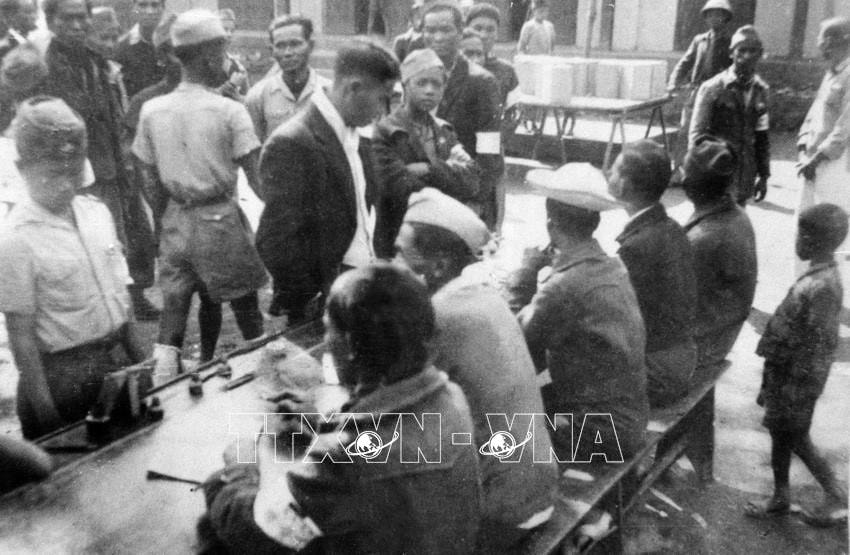
2. In the first General Election to elect the National Assembly of Vietnam, how many representatives were elected nationwide?
The General Election was successfully conducted nationwide. Despite the sabotage of reactionaries in the North and the brutal invasion of French colonialists in the South, the voter turnout rate in localities still reached 89%; except for a few places that had to hold supplementary elections, the vast majority of localities only held one election.
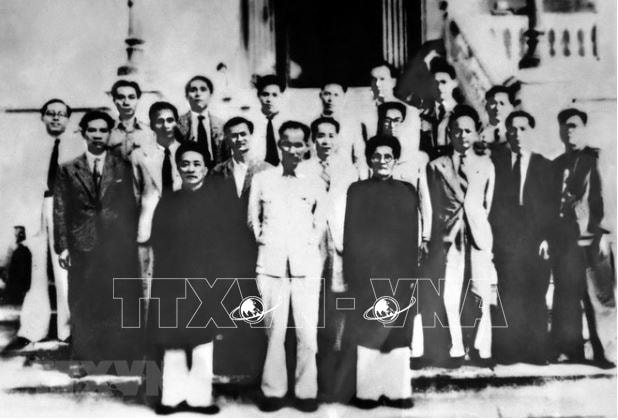
The general election elected 333 delegates, of whom 57% belonged to different parties; 43% were non-partisan; 87% were workers, farmers, and revolutionary soldiers; 10 were women; and 34 were from ethnic minorities.
The National Assembly included representatives from all three regions of North, Central, and South Vietnam, from various sectors ranging from veteran revolutionaries, businesspeople, intellectuals, and cultural activists to representatives of religious groups, non-partisans, and political parties.
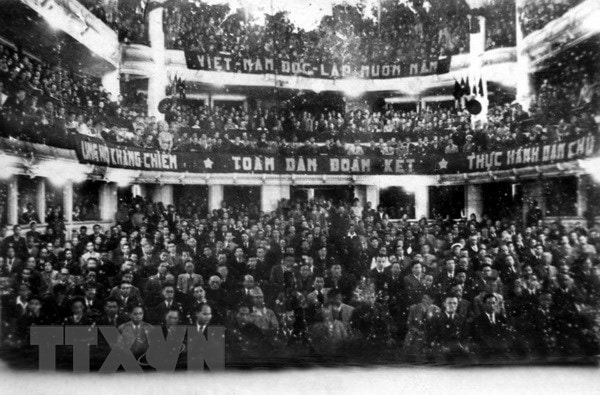
Our National Assembly has wholeheartedly served the people and the nation, having fulfilled with distinction the duties of the people's representatives.
President Ho Chi Minh
3. At which session of the National Assembly did President Ho Chi Minh make the above assessment?
The First National Assembly lasted 14 years, held 12 sessions, and reviewed and passed the 1946 Constitution and the 1959 Constitution, 16 laws, and 50 resolutions, including important laws such as: the Land Reform Law, the Law on Freedom of Assembly, the Law on Freedom of Association, the Law on the Press...
Assessing the results of the First National Assembly's activities, at the 12th session, the final session of the First National Assembly, President Ho Chi Minh stated: "Our National Assembly has wholeheartedly served the people and the country, and has gloriously fulfilled the duties of the people's representatives."
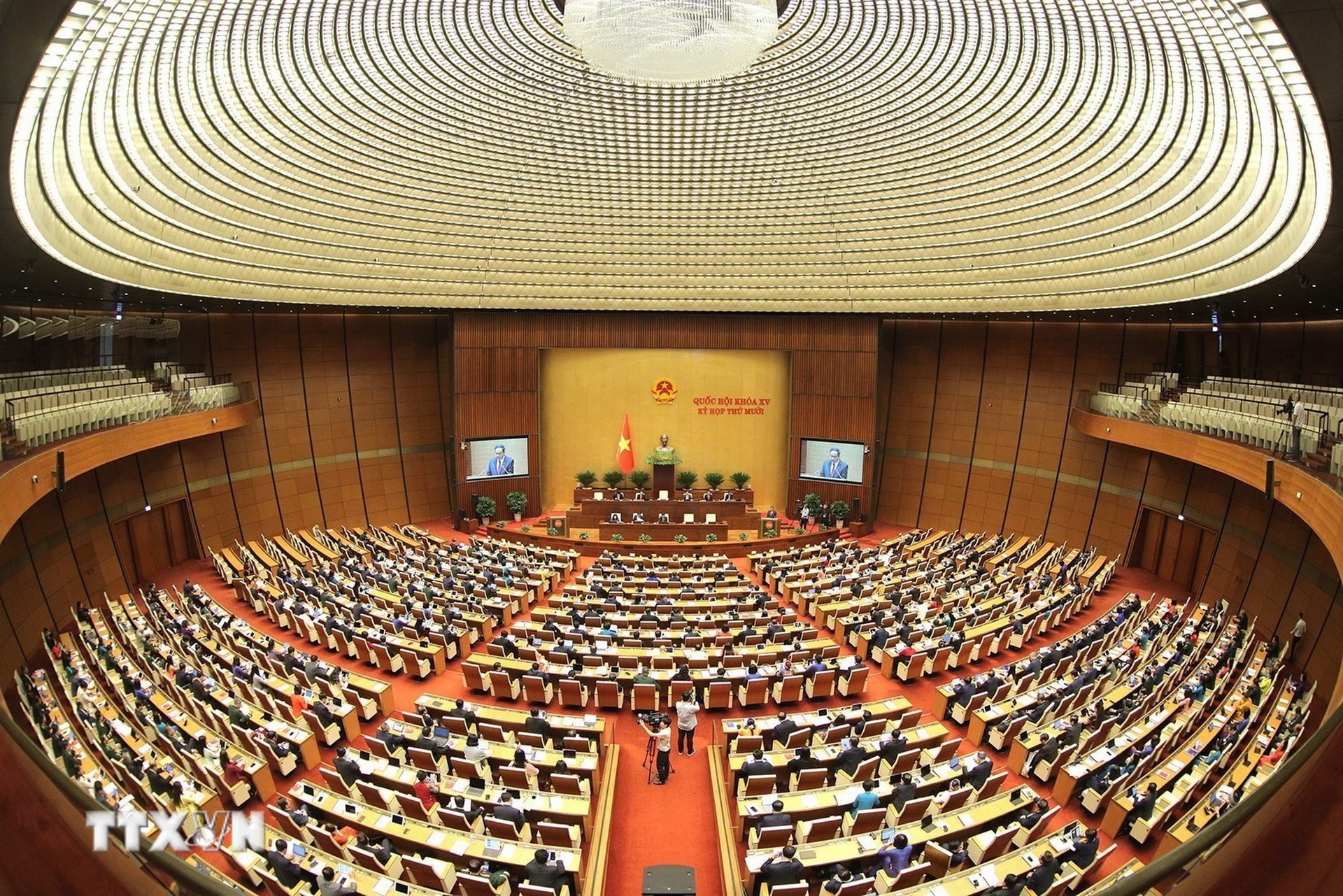
4. According to the Law on the Organization of the National Assembly of 2014 (amended and supplemented in 2020 and 2025), what are the functions of the National Assembly?
Pursuant to Clause 2, Article 1 of the 2014 Law on the Organization of the National Assembly, which stipulates the position and functions of the National Assembly:
1. The National Assembly is the highest representative body of the people and the highest state power organ of the Socialist Republic of Vietnam.
2. The National Assembly exercises constitutional power, legislative power, decides on important national issues, and exercises supreme oversight over the activities of the State.
Thus, according to the Law on the Organization of the National Assembly 2014 (amended and supplemented in 2020 and 2025), the National Assembly has the functions of exercising constitutional power, legislative power, deciding on important national issues, and exercising supreme oversight over the activities of the State.
Reference: thuvienphapluat.vn
5. Since its inception, how many Constitutions has the Vietnamese National Assembly officially promulgated?
According to the history of constitutional development in our country, since the establishment of the Democratic Republic of Vietnam to date, our country has had five constitutions, namely the 1946 Constitution, the 1959 Constitution, the 1980 Constitution, the 1992 Constitution, and the 2013 Constitution.
6. How is the election date determined?
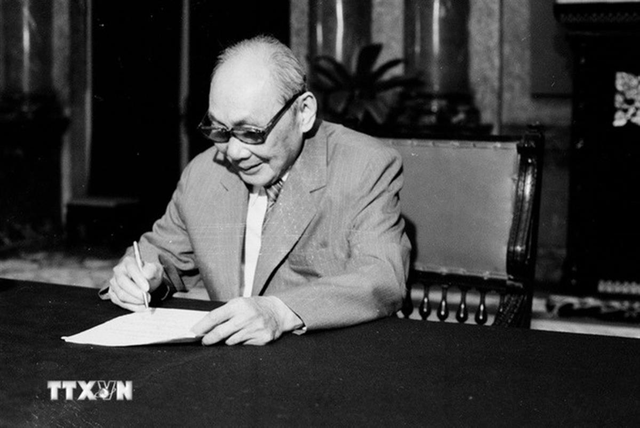
According to regulations, the election day must be a Sunday and announced no later than 115 days before the election day. In special cases where it is necessary to postpone the voting day or vote earlier than the specified date, the Election Committee shall submit to the National Election Council for consideration and decision.
The 15th National Assembly issued Resolution No. 199/2025/QH15 on May 21, 2025, clearly deciding that the election day for deputies to the 16th National Assembly and deputies to the People's Councils at all levels for the 2026-2031 term is Sunday, March 15, 2026.
7. According to the 2013 Constitution (as amended and supplemented by Resolution No. 203/2025/QH15), the election of National Assembly deputies and People's Council deputies is conducted according to the principle of?
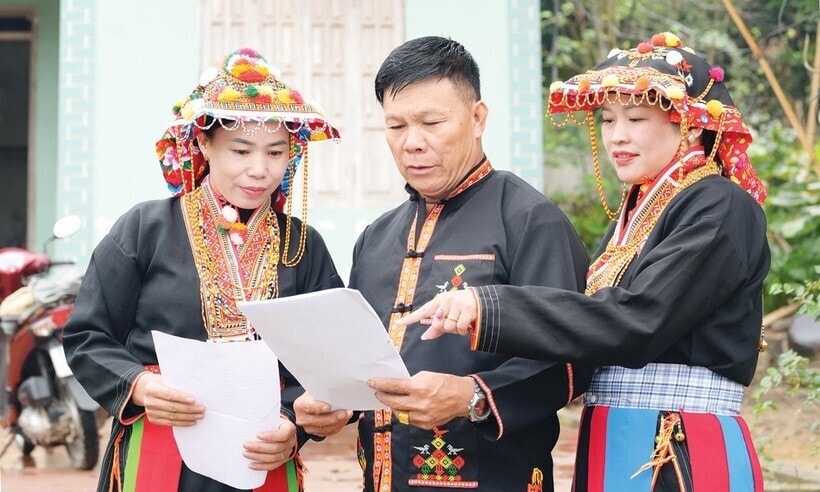
The election of National Assembly deputies and People's Council deputies is conducted according to four principles: the principle of universal suffrage; the principle of equality; the principle of direct election; and the principle of secret ballot.
The principle of universal suffrage is one of the fundamental principles of the electoral system. According to this principle, all citizens, regardless of ethnicity, gender, social class, beliefs, religion, educational level, or occupation, who are 18 years of age or older have the right to vote, and those who are 21 years of age or older have the right to run for election as a National Assembly delegate, and to run for the People's Council in accordance with the law (except for those who have been deprived of their right to vote by a court judgment or decision that has taken legal effect, or those who have been sentenced to death and are awaiting execution, those who are serving a prison sentence without a suspended sentence, or those who have lost their civil capacity). This principle reflects openness and broad democracy, ensuring that citizens can exercise their right to vote and run for office.
The principle of equality means that each person, each voter, can only receive one ballot and can only vote in one place, not multiple places. All ballots have equal value, regardless of whether they are cast by the rich, the poor, the elderly, the young, or those of high or low status.
The principle of direct voting aims to ensure that people directly express their will in choosing their representatives. Specifically, voters cast their ballots directly into ballot boxes without intermediaries, and voters also directly choose the person they vote for, without asking others to vote on their behalf or voting by mail.
The principle of secret ballot ensures that voters are free to choose the person they trust without being influenced by external conditions and factors. Accordingly, who voters vote for or do not vote for is kept confidential. Voters write their ballots in a private area, and no one is allowed to see them, including members of the Election Committee; no one is allowed to know or interfere with how voters write their ballots. Voters cast their ballots into the ballot box themselves.
Read more details at tulieu.baucuquochoi.vn
8. How are the principles for determining the winners defined?
According to the "Questions and Answers on the Election of Deputies to the 16th National Assembly and Deputies to People's Councils at All Levels for the 2026-2031 Term," in question 178, the principle for determining the elected candidates is as follows:
- Election results are calculated based on valid votes and are only recognized when more than half of the total number of voters on the voter list in the electoral unit participate in the election, except in the case of a re-election where the number of voters who cast their votes still does not reach more than half of the total number of voters on the voter list, in which case the re-election results are recognized without organizing a second re-election;
- The elected candidate must be the candidate who receives more than half of the total valid votes;
- If the number of candidates receiving more than half of the total valid votes exceeds the number of representatives to be elected in the electoral unit, the candidates with the highest number of votes shall be elected;
- In the event that the last candidates on the list have the same number of votes and exceed the number of representatives elected for the electoral unit, the older candidate shall be elected.
9. How is the case of voters who incorrectly fill out their ballots handled?
According to the "Q&A on the election of deputies to the 16th National Assembly and deputies to People's Councils at all levels for the 2026-2031 term," question 157 clearly states: When voters write their ballots, no one is allowed to watch, including members of the Election Team. If they make a mistake, voters have the right to exchange their ballot for another one.
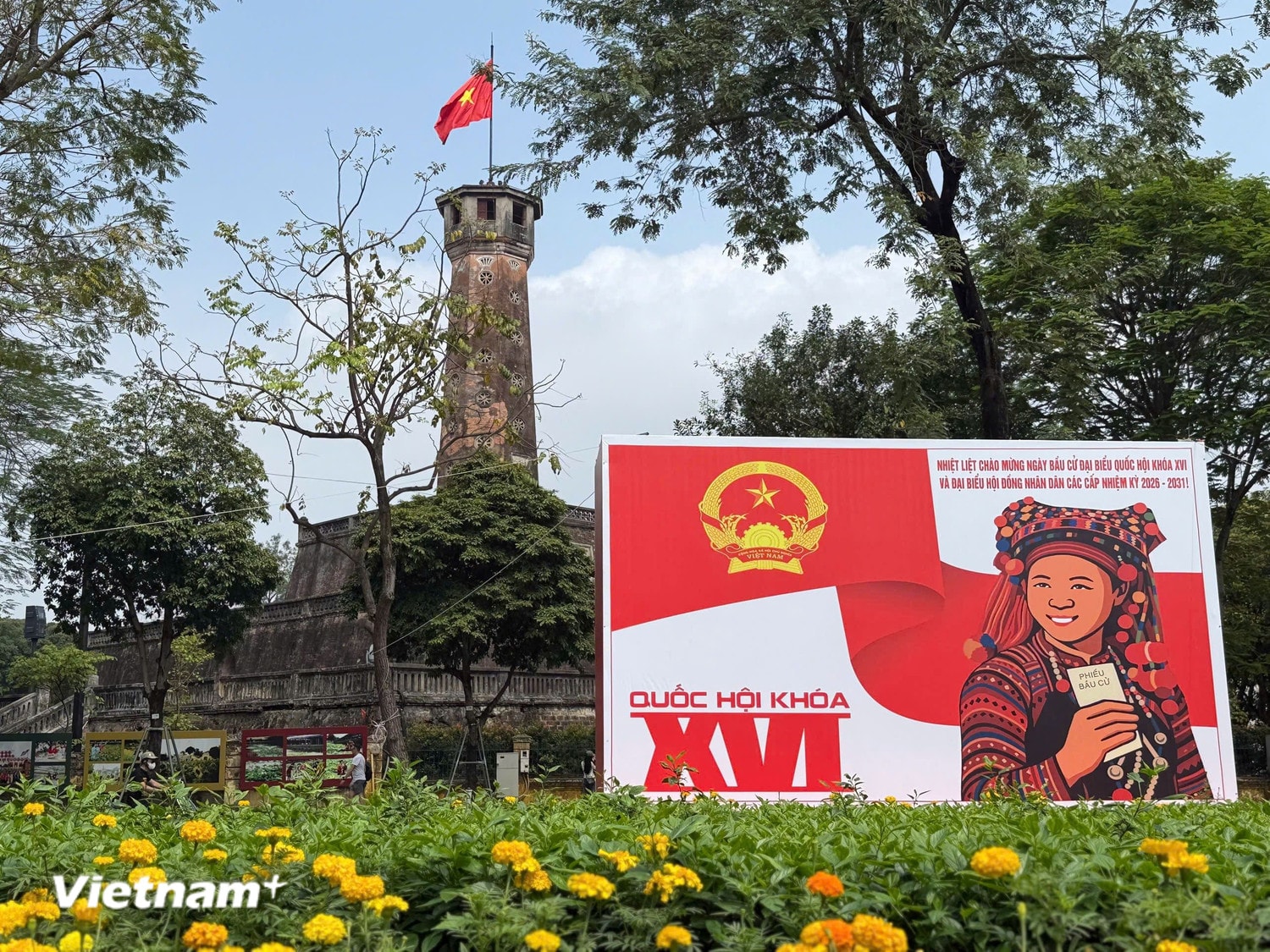
10. How are voter cards handled after citizens have cast their votes?
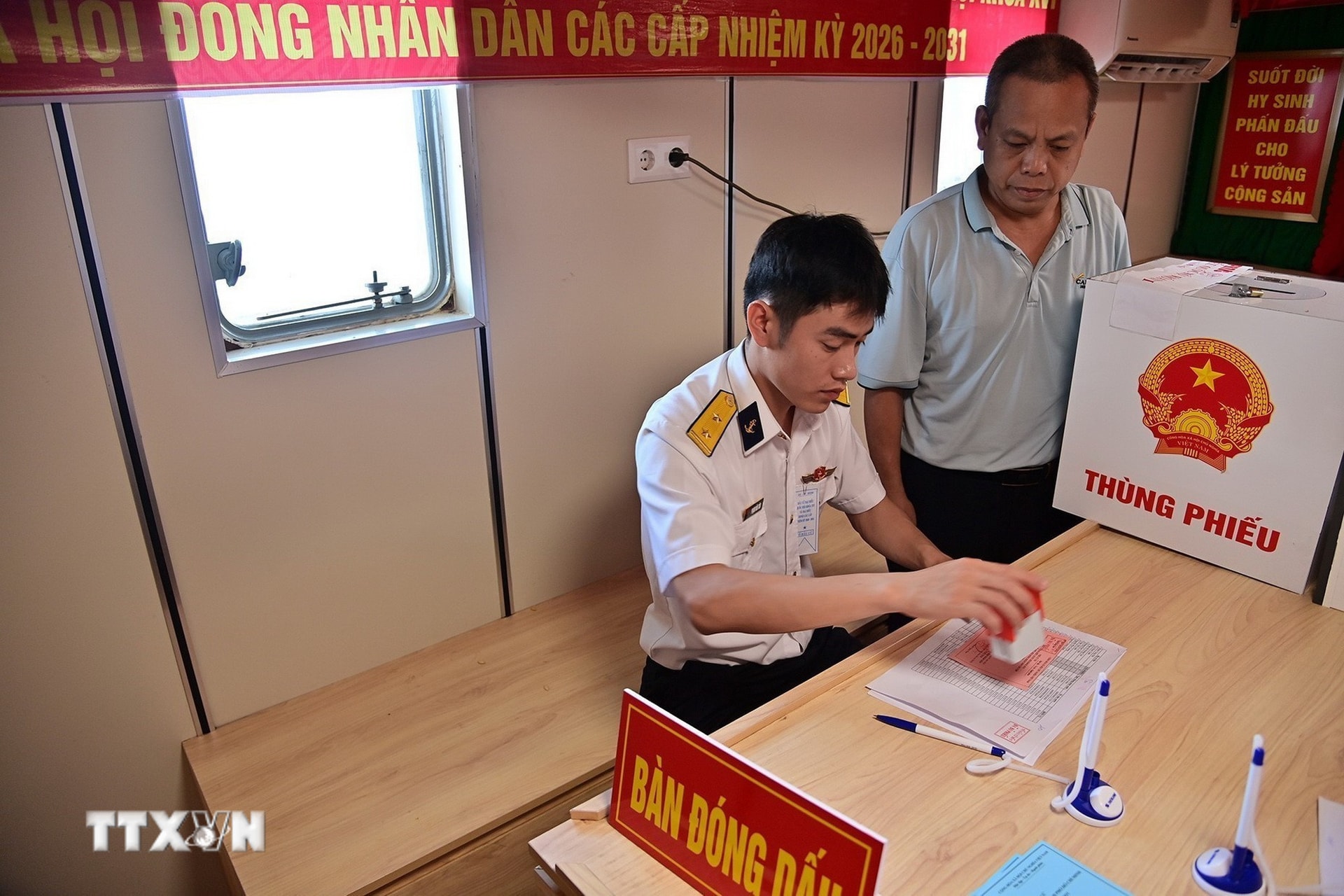
According to the "Q&A on the election of deputies to the 16th National Assembly and deputies to People's Councils at all levels for the 2026-2031 term," question 169 clearly states: After voters have cast their ballots, members of the Election Committee are responsible for reminding voters to present their voter cards and stamp "Voted" on the front of the voter card. Voters keep their Voter Cards; voters may not present Voter Cards stamped with "Voted" to request to vote.
Voting procedures in accordance with current regulations
The election of deputies to the 16th National Assembly and deputies to People's Councils at all levels for the 2026-2031 term will be held on March 15, 2026.
Each voter has the right to cast one vote for a National Assembly delegate and one vote for a People's Council delegate corresponding to each level of the People's Council in which they are eligible to vote. In addition, voters must vote in person and may not ask others to vote on their behalf. If a voter is unable to write the ballot themselves, they may ask someone else to write it for them but must cast the ballot themselves; the person writing the ballot must ensure the secrecy of the voter's ballot. Persons with disabilities who are unable to cast their ballots themselves may ask someone else to cast their ballots in the ballot box.
Step 1: Voters shall go to the polling station between 7:00 a.m. and 7:00 p.m. on Sunday, March 15, 2026, to participate in the election.
Step 2: Voters present their voter card/CCCD at the guidance desk and receive ballots from the Election Committee, including: ballots for National Assembly representatives; ballots for provincial People's Council representatives; and ballots for commune People's Council representatives.
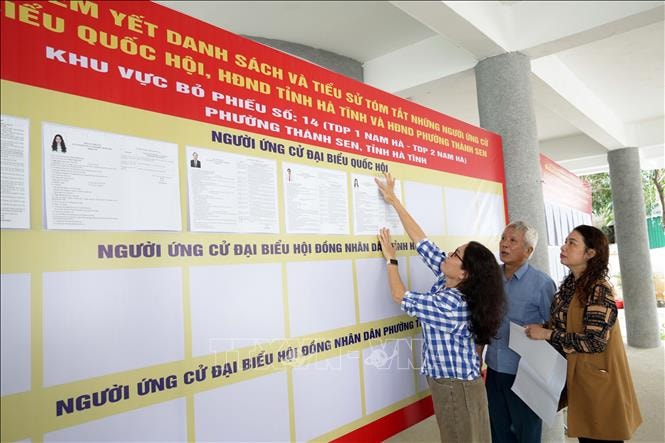
Step 3: Voters go to the posting table to view the list and biographies of the candidates before casting their votes.
Step 4: Fill out the ballot. If voters do not trust any of the candidates, they should draw a line through the entire line containing the candidate's name.
Voters should note the following regulations:
- When voters fill out their ballots, no one is allowed to look at them, including members of the election committee.
- Do not circle, cross out, underline, or overline the candidate's name and surname.
- Do not mark any special characters on the ballot.
- Do not add any additional writing or write the names of people not on the candidate list on the ballot.
- Do not vote for more than the number of representatives specified on the ballot, or cast a blank vote.
- If a ballot is damaged, the voter has the right to request a replacement ballot.
Step 5: After completing the ballot, voters must personally deposit it in the ballot box.
Step 6: Voters move to the election committee table to stamp "Voted" on the front, top left corner of the voter card.
After completing the above steps, voters have finished casting their ballots. Voting in National Assembly and People's Council elections at all levels is the right and duty of every citizen. Each citizen's vote will contribute to selecting people of integrity and talent who are worthy of representing the will and aspirations of the people.