

Earth in Transition
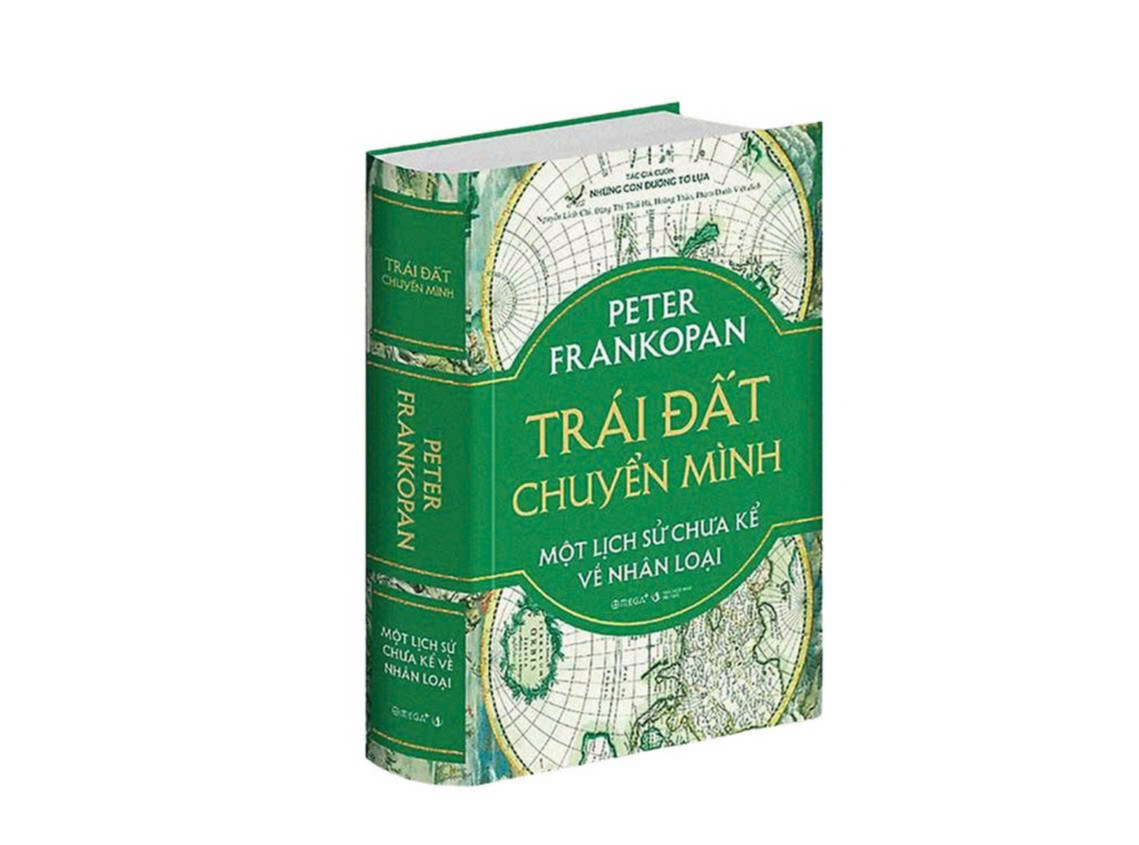
Through Peter Frankopan’s nearly 900-page book, the major upheavals in human history are reexamined through a different lens: nature—the silent force that shapes the birth, rise, and fall of civilizations.
Why did art emerge? Why was a nomadic people like the Mongols able to build the most powerful empire in history? Why did the Roman Empire rise, reach its peak, and then fall? Why, why, why? These questions seem to be solely about humans. However, in the massive nearly 900-page book by the renowned British historian Peter Frankopan, he reveals another factor underlying all the major and minor transformations in the world—a factor beyond human control. And over time, the more humans strive to master it, the more unpredictable it becomes: nature.
Unique Insights
Climate change affects everything, from the way William Shakespeare’s plays were written to the formation of states in ancient China, from the birth of Islam to the chaos in Afghanistan in the 20th century. With extraordinary insight, Peter Frankopan presents some incredibly compelling perspectives on historical events that many may already be familiar with. For instance, why did cave art flourish around 42,000 years ago? Some climate historians argue that this phenomenon is linked to a period of unstable weather, which caused many parts of the world to grow colder, leading to mass extinctions of animals, forcing our ancestors to take refuge deep inside caves and begin creating art. Some go even further, suggesting that living in caves with limited oxygen led humans to experience artistic hallucinations.
Nature or Man
But this doesn’t mean Peter Frankopan attributes every historical event to climate shocks. He avoids the pitfalls many historians fall into—chasing explanations that seem appealing but are simplistic. For instance, one of the most popular theories regarding the collapse of the once-glorious Maya civilization in South America is that it was caused by climate change. However, the reality may not be so straightforward. True, extreme weather conditions may have reduced the kingdom’s agricultural productivity, but they also cultivated many drought-resistant crops. In short, no single cause leads to major events; it is always a combination of many factors. People cannot blame the heavens, for while nature may hasten the collapse of an empire, it is primarily human error that leads to it, and societies eventually collapse on their own.
The Joy of Reading a Thick Book
“I believe books should be like a prime rib—both delicious and substantial,” a writer once wrote. “The Earth Turns” can be considered such a prime rib—rich in information and encompassing the history of every corner of the world, not just Europe and America as in traditional Western historical research. This book features not only the glorious golden ages of empires across the globe, but also smaller yet no less fascinating kingdoms, such as the Champa Kingdom in Central Vietnam or the nations of West Africa. A thick book always demands more from the reader. In fact, the book isn’t entertaining at all; you can’t treat it as a pastime, but rather as a task. However, once you’ve finished reading, the fatigue transforms into a profound sense of satisfaction; you realize that not only have you devoured the book, but the book itself has devoured you.
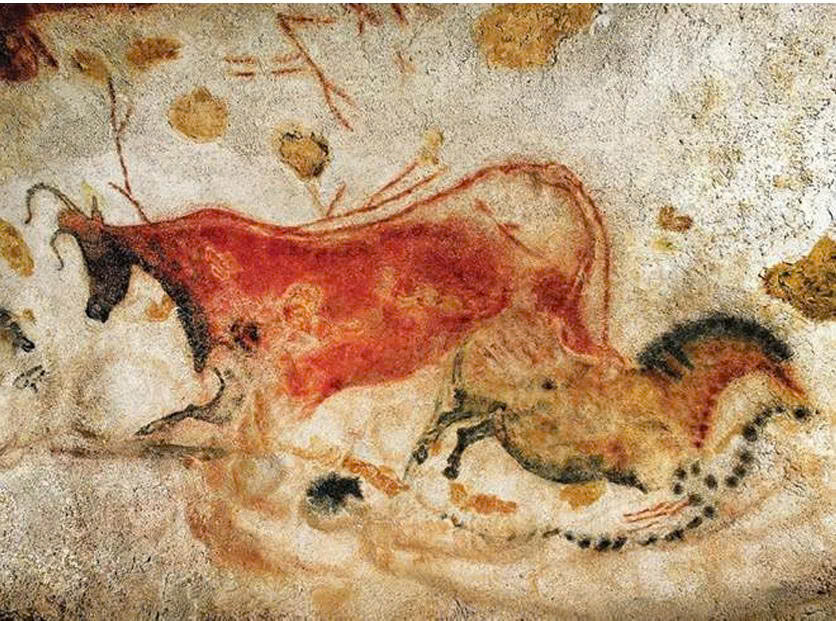
A portion of the overall mural inside the “Bull Hall” at the Lascaux Cave, dating back approximately 17,000 years before the Common Era. This is a prime example of Upper Paleolithic cave art.
Hiền Trang