

Starting October 5, a new procedure for handling fake news and misinformation will take effect.
On August 19, 2026, the Government issued Decree No. 328/2026/NĐ-CP regulating the prevention and control of fake news and misinformation. The Decree takes effect on October 5, 2026, and establishes a relatively comprehensive process covering the detection, verification, labeling, disclosure, warning, blocking, removal, and handling of fake news and misinformation.
One notable aspect is that the Decree not only defines what constitutes fake news and misinformation but also specifies the mechanisms for receiving reports, verifying, and investigating such content, as well as the responsibilities for coordination among regulatory agencies and businesses providing online platforms and services.
According to the Decree, fake news and misinformation are information that is untrue or contains only partial truths that harm national security, the nation’s reputation and image, social order and safety, and the legitimate rights and interests of individuals and organizations. The types of information falling under this category include fabricated information, false information, misleading information, forged information, concocted information, defamatory information, and distorted information.
The Decree classifies fake news and inaccurate information based on their level of harm. The first category consists of fake news and inaccurate information that causes—or poses a risk of causing—particularly severe consequences, having a large-scale negative impact on national security, national defense, foreign relations, public order, and social safety; damage the reputation of the Party, the State, or senior leaders; or have the potential to cause a media crisis, incite riots, or create deep public panic.
The other category consists of harmful fake news and misinformation, including information that has a limited scope of impact but infringes upon the rights, honor, dignity, and legitimate rights and interests of specific agencies, organizations, or individuals. In addition, information is classified in accordance with legal provisions on access to information, including information to which citizens do not have access, information accessible under certain conditions, and information to which citizens have access.
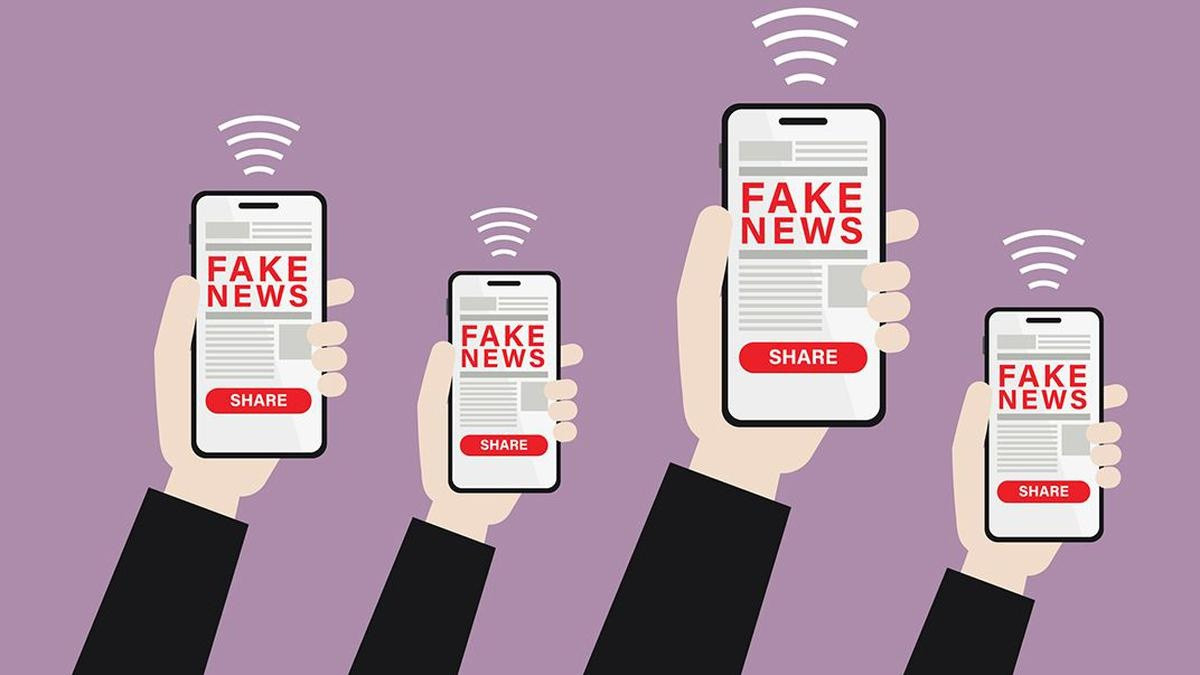
The Decree establishes a six-step process for handling such information, including: identifying information showing signs of being fake or false; verifying, investigating, and clarifying; labeling; publishing and issuing warnings; blocking and removing; and applying appropriate sanctions. Information showing signs of being false or misleading may be identified through reports or complaints from individuals, agencies, or organizations; through monitoring, screening, and oversight activities by competent authorities; alerts from businesses providing Internet, telecommunications, social media, and cross-border information services; or at the request of ministries, ministerial-level agencies, and People’s Committees at all levels.
Notably, victims or organizations affected by information suspected of being false or misleading also have the right to request that competent authorities verify, investigate, and clarify the matter.
The verification process must clarify the type of information, its source, the parties responsible for creating, storing, posting, disseminating, sharing, or commenting on it, and the extent of the violation. When necessary, competent authorities may request organizations or individuals to provide documents or data to support the verification process. If signs of a criminal offense are detected, the case is referred to the competent authority for handling in accordance with criminal law. After verification is complete, if the information is determined to be fake news or false information, the unit directly responsible for verification and investigation is responsible for labeling it.
The label takes the form of a symbol, icon, or the text “FALSE INFORMATION, MISINFORMATION” for content that has been verified by the competent authority. Labeling applies not only to the original content but, in certain cases, may also be applied at the location where the information is posted, disseminated, or shared.
The decree also imposes significant responsibilities on businesses providing Internet, telecommunications, social media, and cross-border information services.
Accordingly, within 24 hours of receiving a request from a competent authority, service providers must take action to block or remove false or misleading information, or implement other required measures as directed. For certain cases classified as high-severity, action must be taken immediately upon receiving the request.
Platforms and service providers must also have a mechanism for users to report violations; they must not allow the posting, dissemination, or sharing of content that has been determined by competent authorities to be fake news or misinformation; and establish a 24/7 coordination channel with the competent authorities of the Ministry of Public Security and other authorized agencies to receive requests to block, remove, or suspend accounts in violation.
Regarding public announcements and warnings, competent authorities shall select appropriate measures based on the nature, severity, and consequences of the information. Public announcements and warnings may be issued at the place of residence or work of the relevant individuals or organizations; on the websites or electronic portals of agencies or units; through mass media; or via other appropriate means.
The Ministry of Public Security is designated as the lead agency to assist the Government in exercising state management over the prevention and combating of fake news and misinformation. The Ministry is responsible for providing guidance, conducting inspections, organizing verification and fact-checking, labeling, publishing, issuing warnings, and handling cases within its jurisdiction; while also maintaining, updating, and publishing information on fake news and misinformation through the Ministry’s channels.
According to the Decree, one of the channels used by the Ministry of Public Security to receive, publish, and issue warnings is the VNeID app, in addition to the electronic information portal and other communication channels supporting the prevention and combating of fake news and misinformation.
The Ministry of Culture, Sports, and Tourism is responsible for organizing measures to prevent and combat fake news and misinformation in the sectors under its jurisdiction; to guide media organizations, Internet service providers, social media platforms, and cross-border information providers in implementing necessary measures, while also reviewing, detecting, labeling, publishing, and issuing warnings regarding false information within its jurisdiction.
The Ministry of Defense, the Ministry of Foreign Affairs, and other ministries, ministerial-level agencies, and People’s Committees at all levels are also tasked with verifying and addressing fake news and misinformation within their respective sectors and jurisdictions; they must coordinate with the Ministry of Public Security and relevant agencies when incidents exceed their authority.
For individuals and organizations, the Decree requires compliance with laws on the prevention and combating of fake news and false information; to coordinate, exchange, and provide information to competent authorities; and to be held responsible for content they create, store, provide, post, disseminate, or share in accordance with the law.
The Decree establishes principles for preventing and combating fake news and misinformation with a focus on proactive prevention; promptly detecting, preventing, and strictly addressing violations, while ensuring openness, transparency, and the protection of national and ethnic interests, national defense, security, foreign relations, and the lawful rights and interests of agencies, organizations, and individuals. The Decree also stipulates that the handling procedures shall not be reapplied to information for which a competent authority has already issued a conclusion, that has been previously published, or that is currently being handled by competent authorities in accordance with other legal provisions.
Decree No. 328/2026/NĐ-CP takes effect on October 5, 2026.