

BIDV Proposes Measures to Boost Growth in the Southeast Region
At the conference titled “The Banking Sector Works Together to Unlock Financial and Banking Resources to Support Growth in the Southeast Region for the 2026–2030 Period,” BIDV presented highly feasible solutions.
Contributing Resources to the Development of the Southeast Region
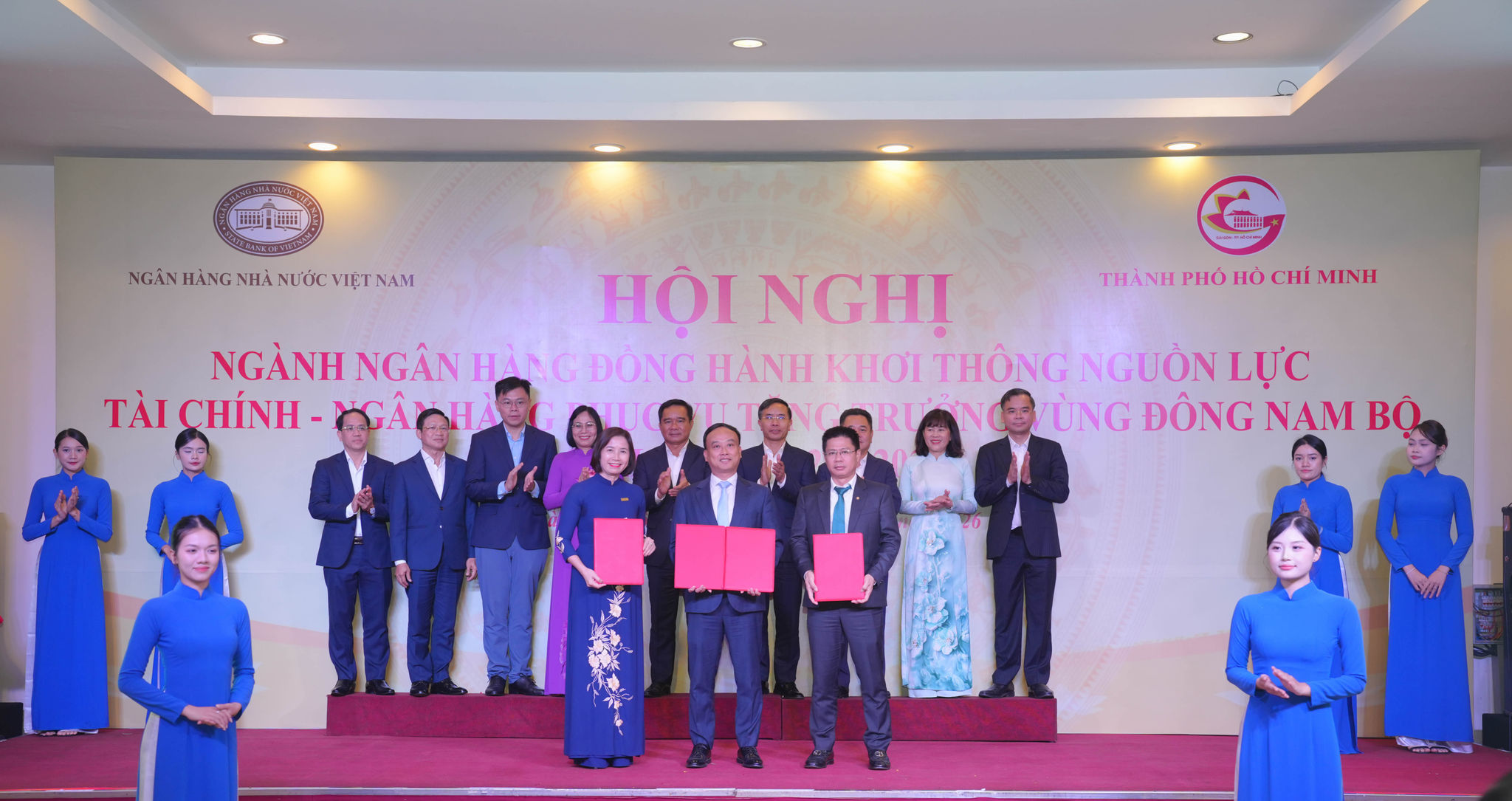
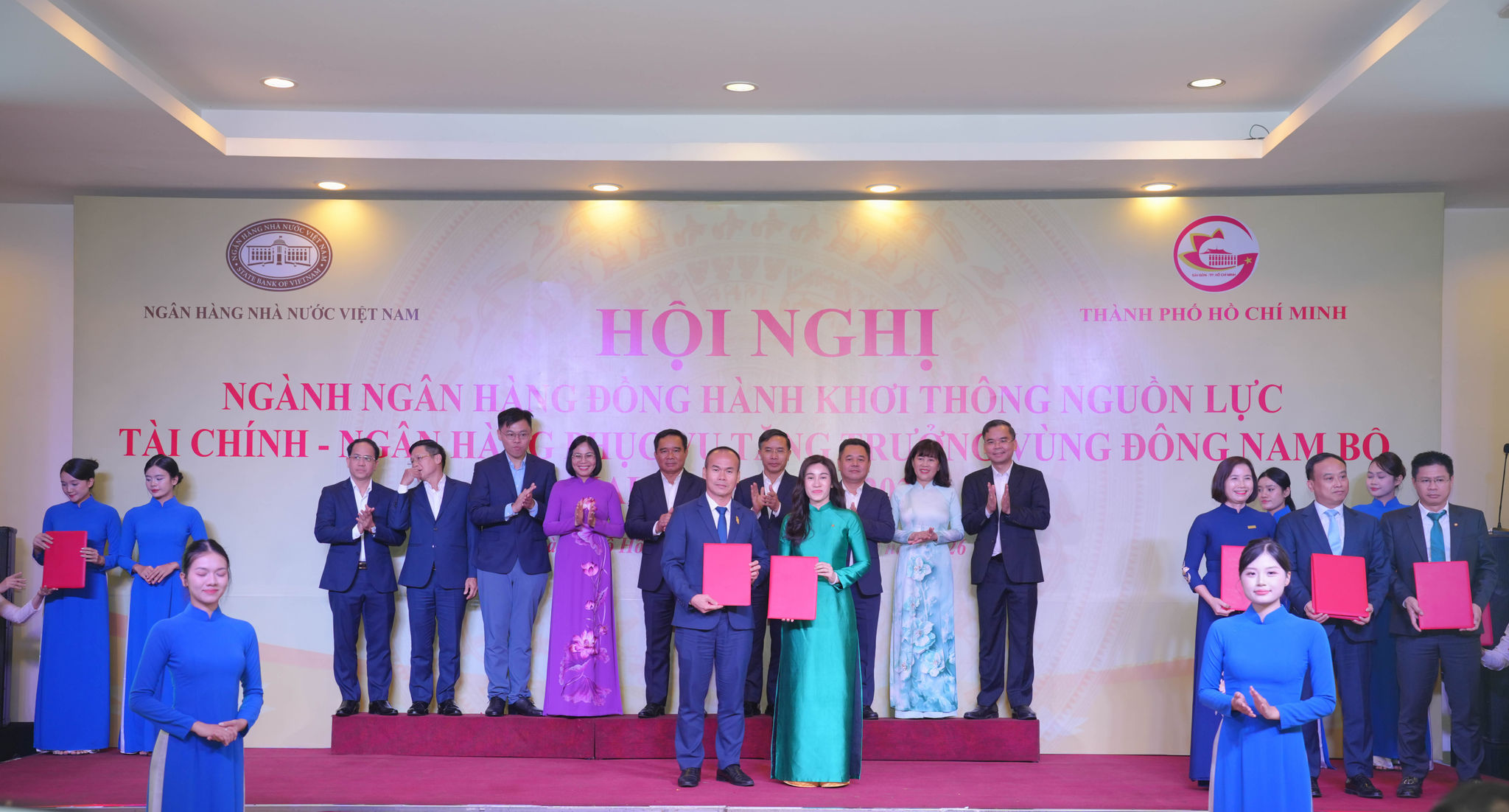
The conference was held on October 23, 2026, in Ho Chi Minh City. The event was attended by State Bank of Vietnam Governor Pham Duc An; representatives of the People’s Committees of Ho Chi Minh City, Dong Nai City, and Tay Ninh Province; commercial banks; and a large number of businesses. This high-level forum aimed to enhance the efficiency of credit capital circulation and market-based capital channels to support socioeconomic development, inter-regional transportation infrastructure, and key economic sectors in the Southeast Region, thereby contributing to achieving the double-digit growth target in accordance with the Party’s policies and the directives of the Government and the Prime Minister.
BIDV Proposes Highly Feasible Solutions
Speaking at the conference on behalf of BIDV, CEO Hoang Viet Hung presented solutions aimed at unlocking financial and banking resources to drive growth in the Southeast Region during the 2026–2030 period.
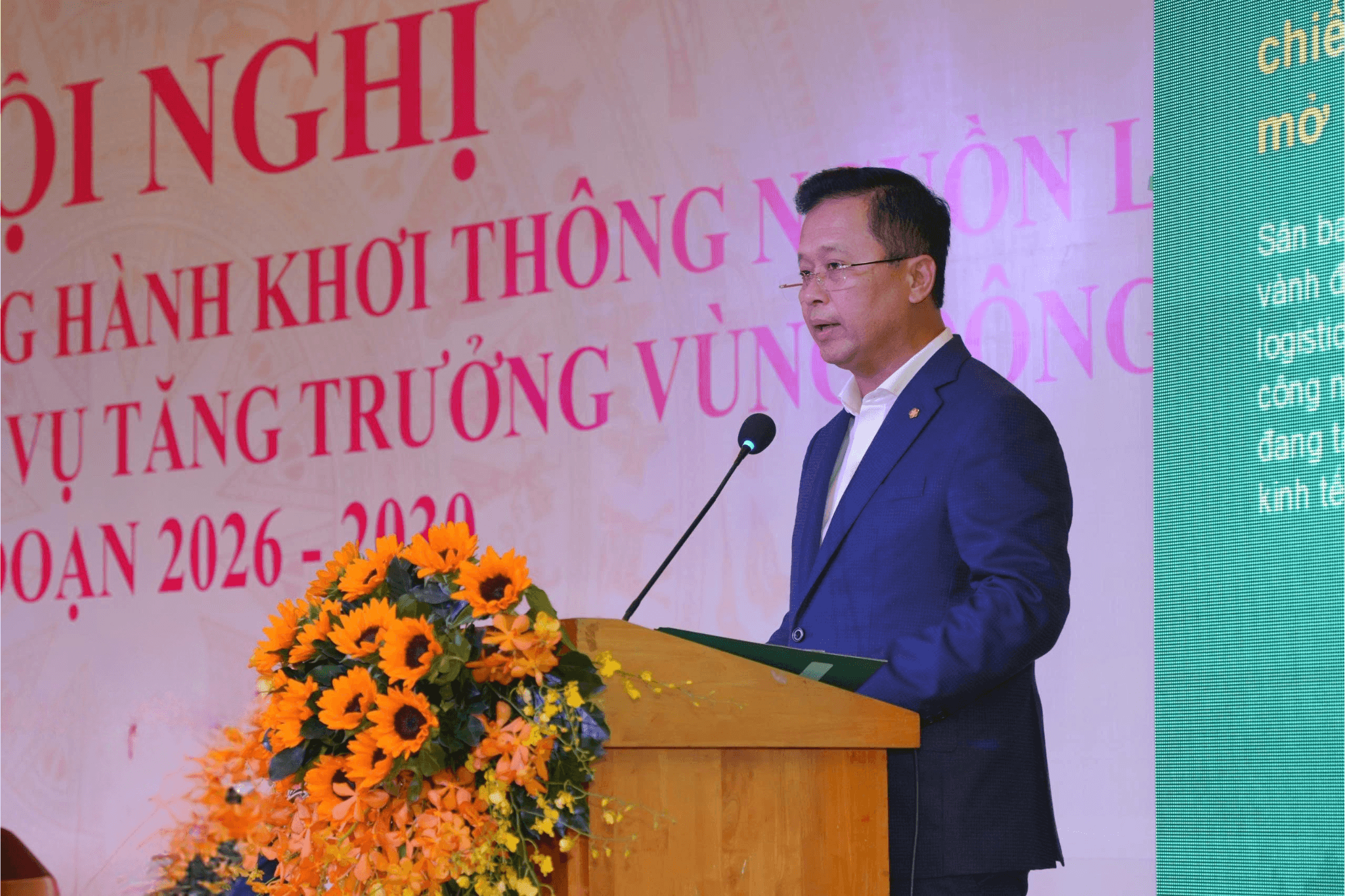
The solutions proposed by BIDV focus on four main directions:
First, prioritizing resources for strategic projects and growth drivers with broad-based impact.
BIDV will strengthen coordination with local authorities, project developers, credit institutions, and financial institutions to explore financing options, co-financing arrangements, and capital mobilization for transportation infrastructure, logistics, industrial zone infrastructure, high-tech industries, and projects that enhance regional connectivity. BIDV prioritizes involvement from the project preparation stage to advise on capital structure, cash flow plans, and the selection of appropriate financing instruments, rather than waiting until the project has completed the loan application process.
For large-scale projects with long payback periods, capital arrangement must be aligned with the ability to balance funding sources, reasonably allocate risks, ensure a sound legal framework, and demonstrate verifiable financial viability. BIDV is ready to play a leading role in connecting relevant parties, while consistently upholding the principle that credit growth must go hand in hand with credit quality and systemic safety.
Second, develop value chain financing to enable domestic enterprises to participate more deeply in regional and global supply chains.
The strength of the Southeast region lies not only in flagship projects but also in the ecosystem of satellite enterprises, small and medium-sized enterprises (SMEs), logistics firms, distributors, raw material suppliers, and support service providers. BIDV focuses on connecting leading enterprises and foreign-invested enterprises (FIEs) with domestic suppliers; integrating working capital financing, trade finance, guarantees, international payments, cash flow management, and debt collection into a comprehensive solution.
In recent months, BIDV has provided financing for nearly 100 supply chains, serving more than 1,500 satellite enterprises. This practical experience will help further expand financing models based on contracts, cash flow, and transaction data, helping businesses reduce capital costs, shorten cash recovery cycles, and enhance their ability to participate in production chains. In particular, attention should be given to domestic private enterprises, supporting industry enterprises, and enterprises with technological innovation capabilities.
Third, leverage digital transformation as a tool to improve capital circulation efficiency and expand access to financial services.
BIDV aims to strengthen the integration of banking services with enterprise management systems, industrial parks, public service providers, and distribution networks; and to develop cashless payments, automated collections and disbursements, cash flow management, and trade finance on digital platforms.
In the Southeast region, BIDV aims to collaborate with local authorities to implement models tailored to the specific characteristics of urban areas, industrial zones, and the commerce and service sectors; while ensuring information security, data protection, and compliance with current regulations.
Fourth, promoting green finance and mobilizing additional international resources for the transition to a new growth model.
BIDV continues to prioritize the evaluation of eligible projects in the fields of clean energy, energy efficiency, sustainable transportation, waste management, green infrastructure, and the circular economy; while also leveraging cooperative relationships with international financial institutions to connect businesses with capital, technical support, and governance standards.
BIDV believes that green finance must be tied to clear measurement criteria, viable projects, and effective mechanisms for monitoring capital utilization; it should not merely pursue a “green” label without a substantive foundation. When financial resources are combined with technology, governance, and environmental standards, the green transition will become a driving force for enhancing the long-term competitiveness of businesses and the region as a whole.
With its strengths in providing capital along with advanced financial and banking solutions and products for construction projects, development initiatives, and businesses, BIDV is committed to partnering with the Southeast Region not only through capital but also through its networking capabilities, commitment to execution, and dedication to creating sustainable value. BIDV stands ready to work with local authorities, businesses, and partners to transform the potential of the Southeast region into tangible results, making a practical contribution to the nation’s development and prosperity.