
Retail Banking Transformation: A Journey to Lead
The year 2025 concluded for BIDV not only with growth figures, but also with transformation efforts taking place quietly yet profoundly at every branch and transaction office across the country.
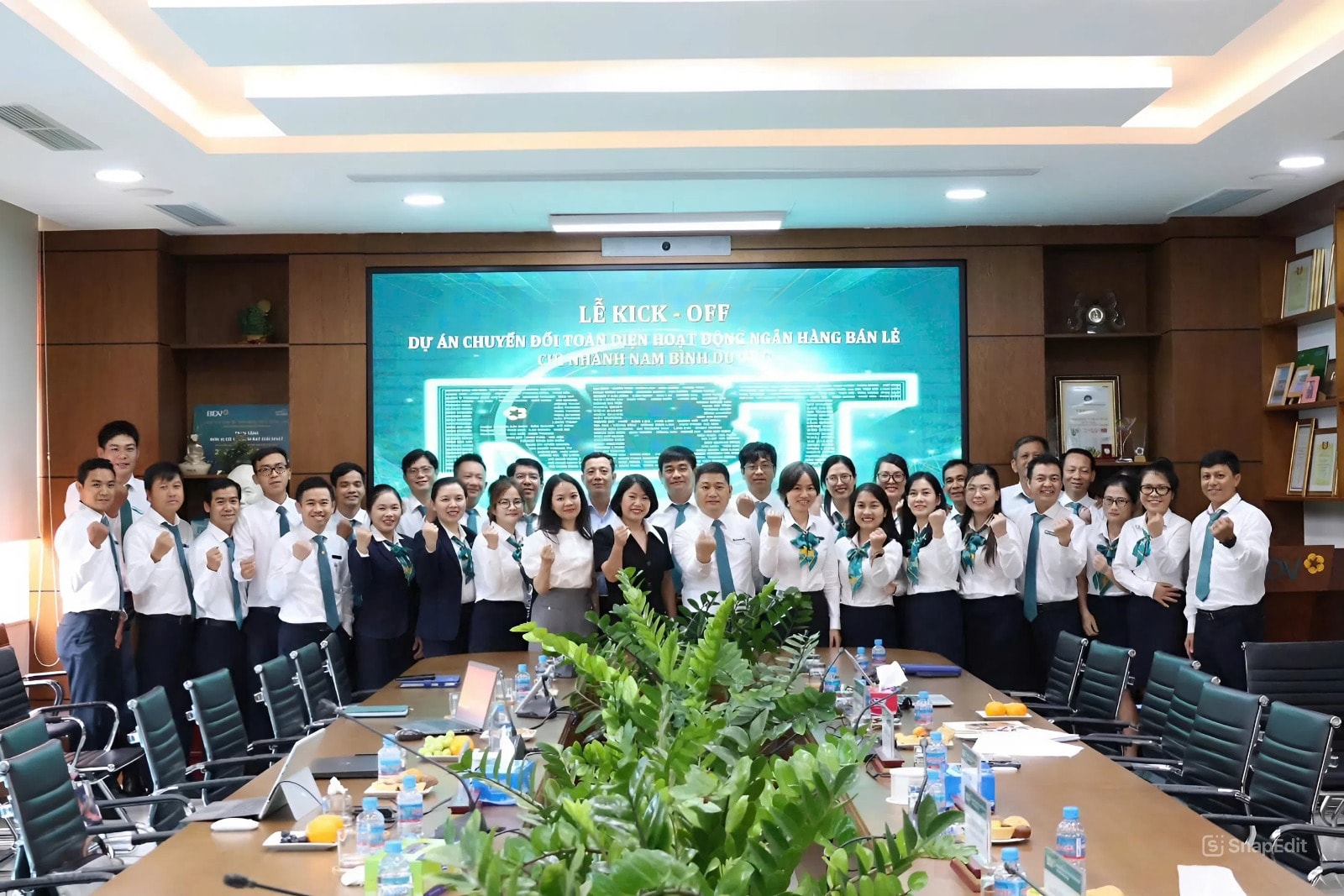
This is the journey of Retail Banking Transformation (RBT)—a system-wide retail transformation project where BIDV is reimagining its retail business from the inside out.

To mark the two-year milestone of this transformation, Investment and Development sat down with Ms. Nguyen Thi Quynh Giao—Deputy General Director, Head of the Retail Banking Division, and Deputy Head of the RBT Project Steering Committee—to hear the story behind a project that is revolutionizing the way BIDV conducts retail banking day by day.
Setting the Pace for a Long Journey
Madam, given that BIDV is currently leading the market in retail banking, why did BIDV choose retail banking as the “vanguard” for its transformation journey rather than another sector?
When you’re in a leading position, the hardest part isn’t moving fast—it’s moving in the right direction and going the distance. Maintaining the title of Vietnam’s No. 1 Retail Bank for 10 consecutive years is not only a source of pride but also a responsibility for BIDV to continue developing and advancing further.
BIDV chose retail as the “vanguard” for its transformation journey because the retail banking sector faces the greatest pressure, handles the most data, shows results the fastest, and has the strongest ripple effect—enough to pull the entire system into the transformation journey.
Retail transformation, therefore, is not merely a business decision for BIDV, but a strategic choice that shapes the market and reflects BIDV’s commitment to redefining service standards for society through a modern, transparent, and customer-centric financial ecosystem.
The right model creates sustainable results
What challenges has BIDV faced during the implementation of the RBT project, particularly at branches in remote and hard-to-reach areas, Ms. Nguyen Thi Thu? Could you please share more about the achievements the project has attained to date?
During the implementation of the RBT project, BIDV’s greatest challenge did not lie in the model’s design, but rather in the scale of implementation and the diversity of its network. BIDV is carrying out this transformation across a very broad scope, from major cities to branches and transaction offices in remote and rural areas, where infrastructure, human resources, and customers’ financial transaction habits vary significantly.
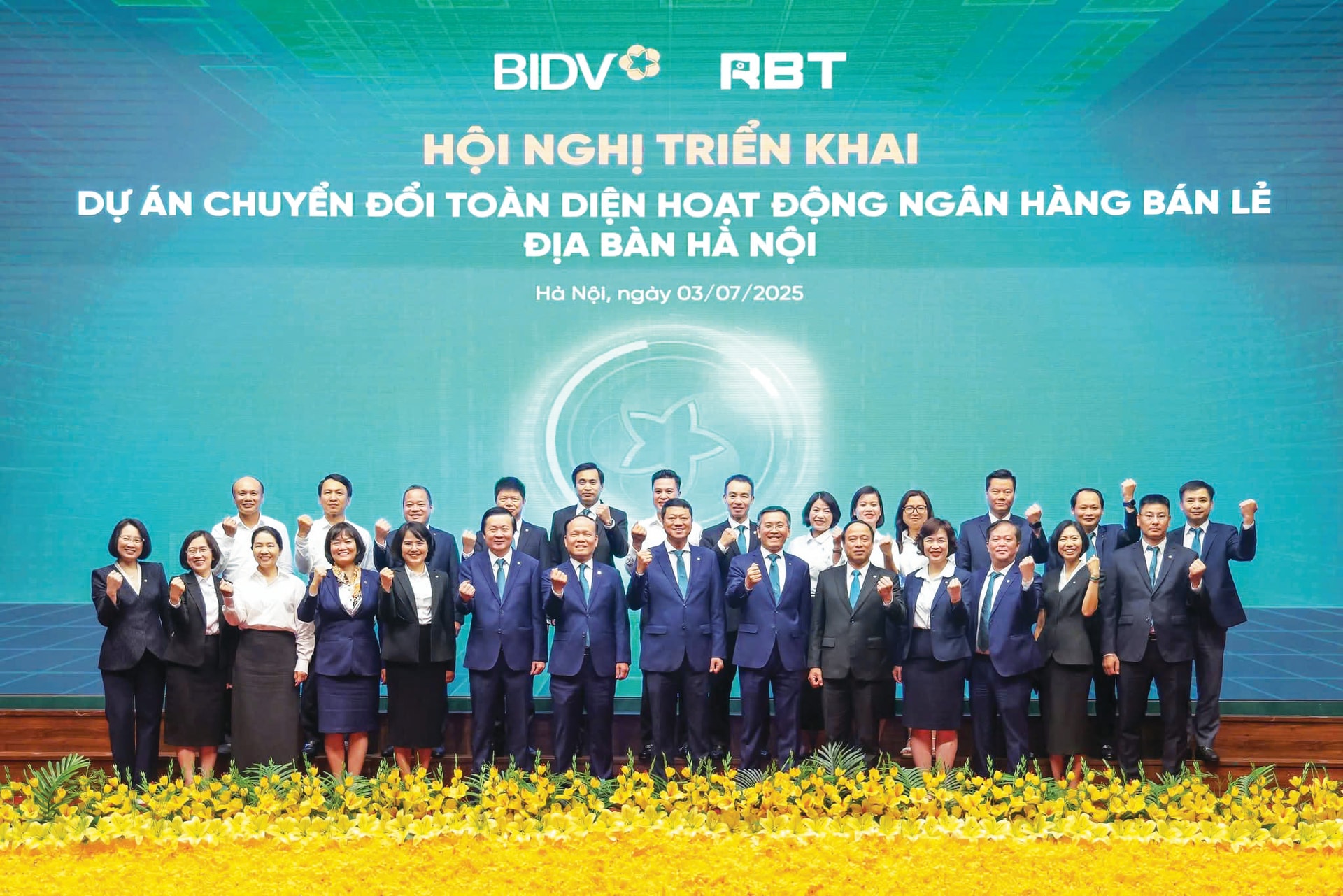
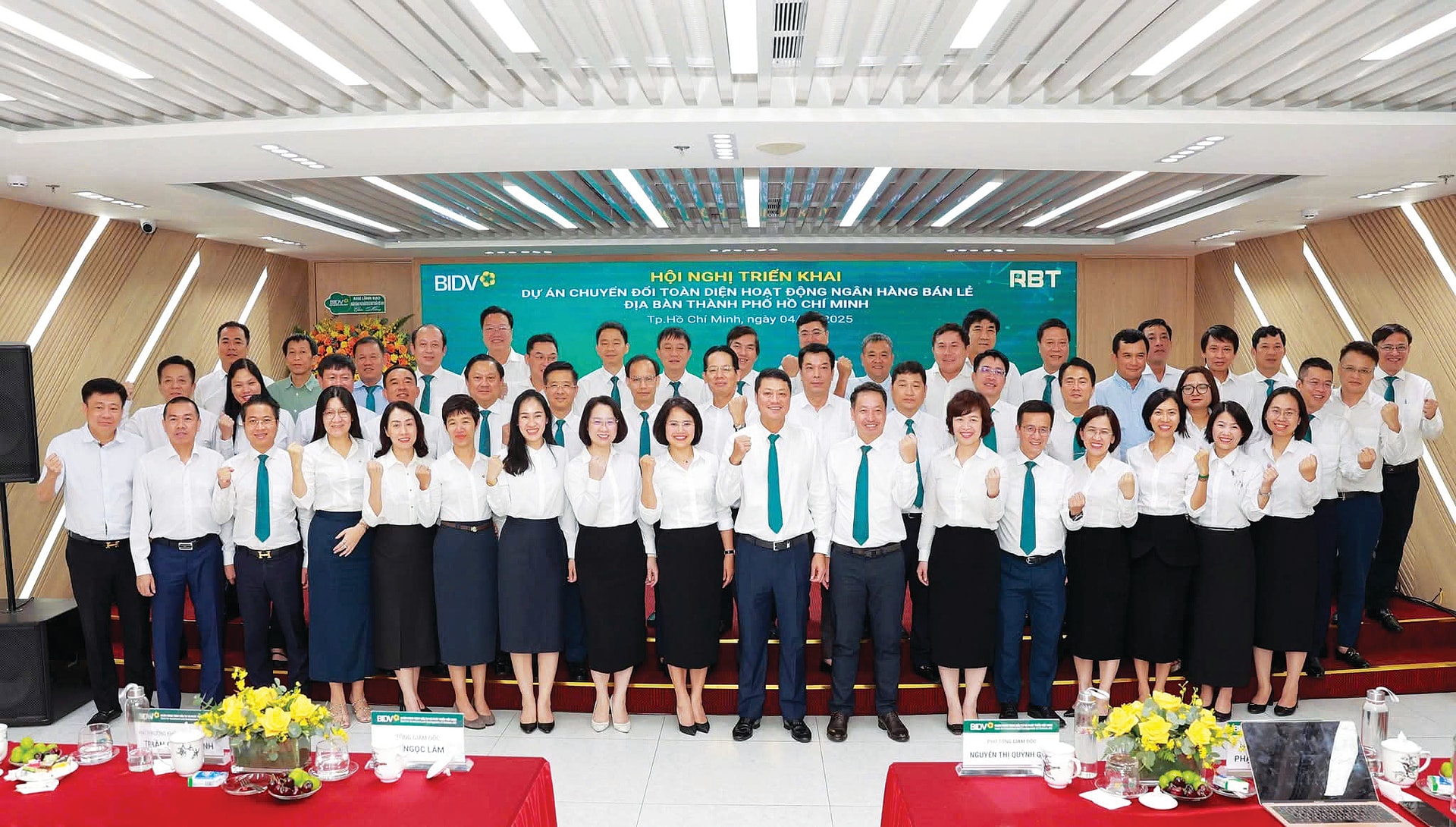
This requires a persistent, practical, and reality-based approach, rather than a top-down administrative rollout. For this reason, we consistently deploy transformation officers to work directly alongside staff at each branch during the six-week peak period, including in remote and rural areas—from Ha Giang in the far north of the country to Ca Mau in the far south—and even at transaction offices located up to 180 km from the branch headquarters.
To date, the most significant achievement of RBT lies not only in business results but in the marked transformation in how we operate. Staff are organized into business units based on customer segments, gradually building portfolio management capabilities, reducing operational time, and focusing more on sales and customer care. The PRM role serves high-end customers with an average interaction rate of 53 customers per week and a closing rate of 20 customers per week. The VRM role serves loyal customers, with average interaction and closed sales rates of 80 and 26 customers per week, respectively. Meanwhile, the UB role leverages sales consulting capabilities at the counter, closing sales with 41 customers each week.
Overall, key performance indicators are trending upward; strategic, core products are being prioritized for implementation, and the development of products and digital channels is showing positive signs. Business operations are growing strongly: indicators for term deposits, demand deposits, and core loan balances grew by 11.2%, 14.3%, and 17.2%, respectively. The quality of existing customer engagement has improved, with the average number of products and services per customer growing by 6%. Targeted products have been prioritized: the number of credit cards increased by 47.6%, and insurance service revenue rose by 4%. Key targets for the shift toward digital channels are on track: net digital channel revenue increased by 46%, and the average online deposit balance rose by 64%.
Customers are truly at the center of every business decision
You once stated, “BIDV’s RBT project will set the benchmark for retail transformation across the entire industry.” This is a bold and inspiring declaration. Amid many banks also undergoing digital transformation, what are the core values or new standards for retail banking that BIDV is building to lead the market?
Amid many banks simultaneously implementing digital transformation, we believe that models, processes, or products and services may increasingly converge. However, there is one core value that cannot be replicated: people and the ability to master and operate the model in practice.
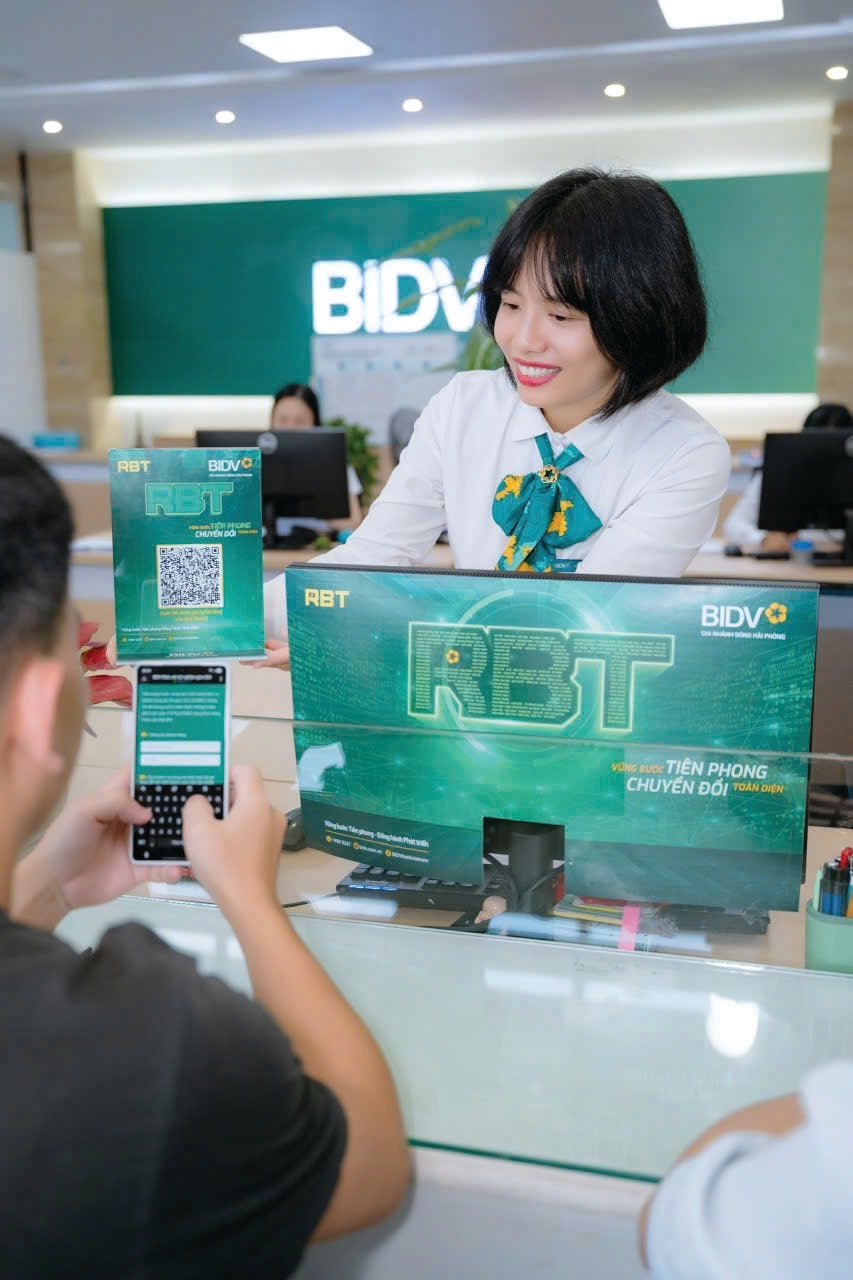
Therefore, in implementing RBT, BIDV aims not only to create a new retail model but to establish a new operational standard for retail banking in the digital era. Under this standard, customers are truly at the center of every business decision; decisions are driven by data and technology; products and solutions are developed faster, more flexibly, and closely aligned with the specific needs of each customer segment.
A crucial pillar of this standard is the role of retail staff. We aim for each staff member to be not just a product seller, but a personal financial advisor who understands products and services, manages customer portfolios throughout their lifecycle, and builds long-term relationships with customers.
The core distinction of RBT lies in how BIDV systematically invests in training, guidance, and capacity-building at the branch level. From segment-based sales management and customer portfolio management to enhancing sales capabilities, and fostering an open-minded mindset—one that is ready to adapt and continuously renew itself to better serve customers—these are capabilities that cannot be “copied and pasted,” but must be built over time through disciplined implementation.
The retail banking standard that BIDV is building is a bank that deeply understands customers—operates intelligently—and creates sustainable value. We believe this is the foundation for RBT to become the industry-wide model for retail transformation, and also the way Vietnamese retail banks will need to operate in the next 5 to 10 years.
At BIDV, the new standard is shaped by people
A successful model cannot do without the human element. So, how is BIDV building a "culture of transformation" to ensure the sustainability of this model after the RBT project concludes in February 2026, Madam?
We have made it very clear: models can be designed, processes can be replicated, and technology can be purchased, but human capabilities must be built systematically and sustainably. Therefore, RBT is not just a model transformation project, but also a strategy for developing the capabilities of the retail workforce across the entire BIDV system.
From the very beginning of implementation, BIDV has established a structured training, guidance, and capability-transfer program for branch staff: from a customer-centric mindset, segment-based sales management, and customer portfolio management, to enhancing advisory, sales, and data-driven business skills.
We are gradually fostering a “culture of transformation”—a culture of continuous learning, embracing change, and proactively upgrading oneself—which has become the new professional standard for BIDV retail staff. In this environment, each staff member is not merely an executor of processes, but a personal financial advisor who masters the business model, leverages data, and partners with customers.
Therefore, when the RBT project concludes in February 2026, BIDV’s retail transformation journey will not stop. The new model has been integrated into the mindset, capabilities, and daily operations of the team, becoming a stable and sustainable operational foundation for the next phase of BIDV’s retail banking development.
Transformation is the foundation for achieving the goal of becoming a Large – Strong – Green Bank
How does the RBT project play a pivotal role in achieving the goal of making BIDV the leading Large – Strong – Green Bank in Southeast Asia, as envisioned by the Chairman of the Board of Directors?
In BIDV’s development strategy, RBT is not merely a retail model transformation project, but a vital foundation for realizing the goal of making BIDV the leading Large – Strong – Green Bank in Southeast Asia. Retail banking has been identified as a pillar of long-term development, as it is directly linked to a broad customer base, operational efficiency, and the bank’s long-term sustainability.
With the goal of becoming a “Large” bank, BIDV is not only expanding in scale or network but, more importantly, enhancing the operational quality of that network. RBT helps standardize the retail model across the entire system and reorganize customer service approaches by segment, thereby transforming every touchpoint in the network into a place that creates real value for customers, rather than merely a simple transaction point.
To become a “Strong” Bank, human capital plays a decisive role. Through RBT, BIDV builds a professional retail team that is thoroughly trained, masters the model, data, and customer portfolio management methods. This is the foundation for sustainably improving service capabilities, advisory quality, and business efficiency.
Regarding the goal of a “Green” Bank, RBT helps BIDV gradually establish a smart, transparent, and efficient financial ecosystem. Retail products, services, and solutions are designed based on customers’ actual needs, promoting the use of digital channels, reducing social costs, expanding access to financial services, and contributing to the achievement of financial inclusion and sustainable development goals.
It can be said that RBT is the new standard framework for BIDV to develop its retail business in a lean, efficient, and sustainable manner, thereby creating a crucial momentum for the bank to expand its regional reach and aim to become one of the leading banks in Southeast Asia and among the top 100 largest banks in Asia by 2030.
Thank you for your passionate and inspiring insights. We wish you good health, success, and continued strong, sustainable leadership of BIDV’s retail banking division!