







A DESIRE TO SWIM AGAINST THE GLOBAL CURRENT
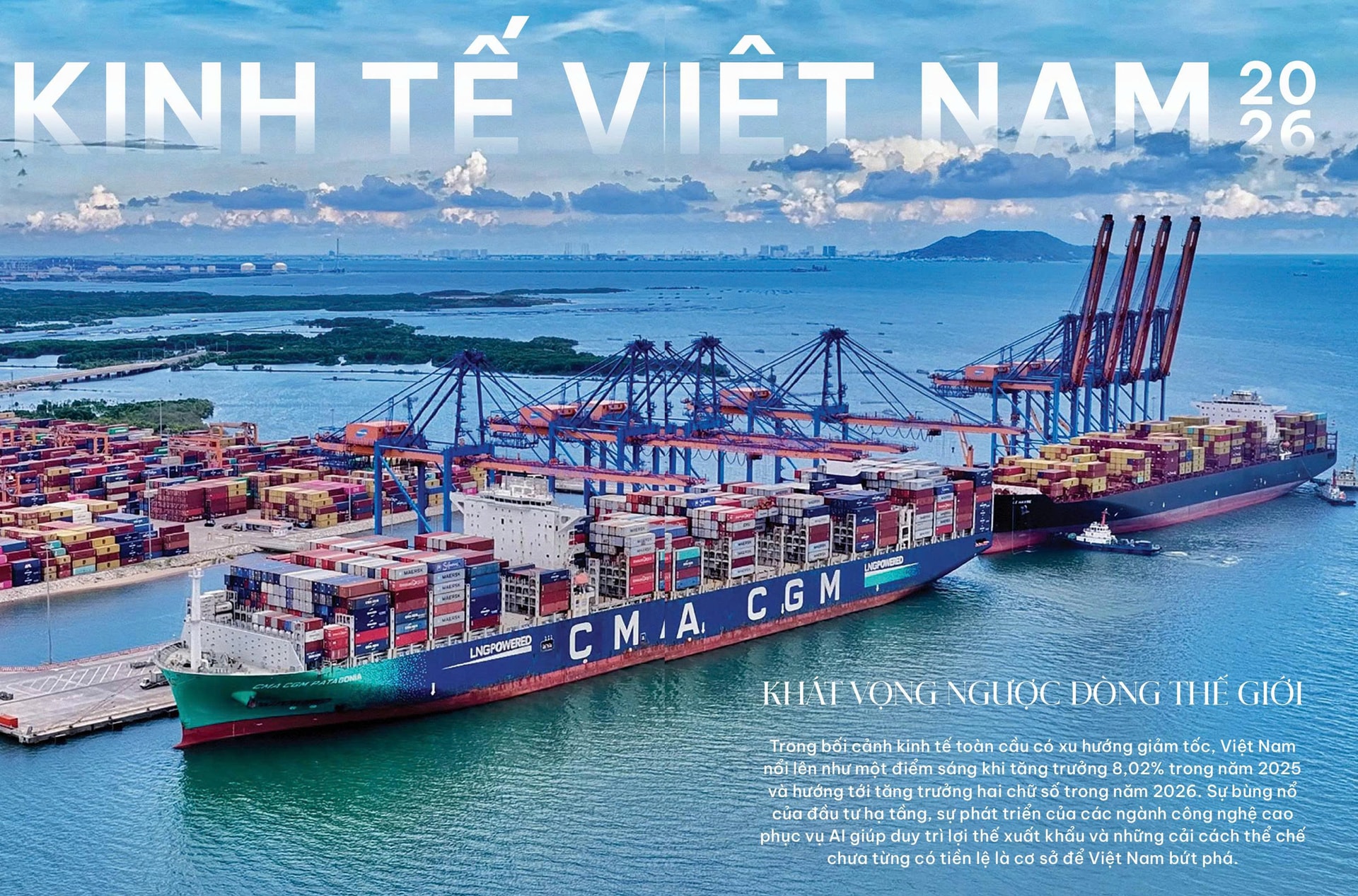
Amid a global economic slowdown, Vietnam has emerged as a bright spot with 8.02% growth in 2025 and is on track for double-digit growth in 2026. The boom in infrastructure investment, the development of high-tech industries supporting AI, which helps maintain export advantages, and unprecedented institutional reforms form the foundation for Vietnam’s breakthrough.
A Ray of Light Amid the Clouds
It is not just now that Vietnam’s economy has been “swimming against the global economic tide.” As early as 2019, the World Bank made a notable observation: “Dark clouds continue to gather over the global economy with lower-than-expected economic growth and trade volumes; however, the sun continues to shine on Vietnam’s economy.” In 2025, this scenario repeated itself as the global economy grew by only 3.3% (according to the IMF), while Vietnam grew by 8.02%—ranking 10th globally and 5th in Southeast Asia, marking the second-highest growth rate in the past 14 years (second only to 2022). Vietnam’s GDP reaches $514 billion, ranking 32nd globally and 4th in ASEAN; per capita GDP reaches $5,026, 1.4 times that of 2020, officially making it an upper-middle-income country.
Looking deeper into the quality of growth, global economic growth in 2025 is primarily driven by the recovery of public spending and private investment—particularly in AI and technology—along with monetary easing due to cooling inflation. However, these drivers are short-term and uneven, while long-term uncertainties—including geopolitical conflicts, strategic competition in trade and technology, trade protectionism, and high public and private debt risks—persist.
Meanwhile, Vietnam’s economy is growing thanks to strong and resilient drivers, stemming from both the supply and demand sides, across localities and economic sectors. Specifically, the manufacturing and processing industry grew by 9.97%, the highest rate in six years (2019–2025); exports reached $475 billion, up 17%, marking the 10th consecutive year of a trade surplus worth $20 billion; tourism hit a record high with 22 million international visitors, a 25% increase from the previous year; public investment reached a five-year record (2021–2025). Most localities achieved growth of over 7%, with the “locomotives”—Hanoi, Ho Chi Minh City, Quang Ninh, and 16 other localities—reaching 8%–11.9%.
In 2026, Vietnam’s economy is projected to grow strongly and continue to outperform the global economy. According to the IMF, global economic growth in 2026 is estimated at 3.3%, unchanged from 2025. Geopolitical conflicts and trade tensions continue to dominate the global economy and drive major powers to increase investment in sovereignty and trade protectionism. Meanwhile, Vietnam is aiming for growth of 10%, marking the first year of double-digit growth since the Doi Moi reforms (beginning in 1986).
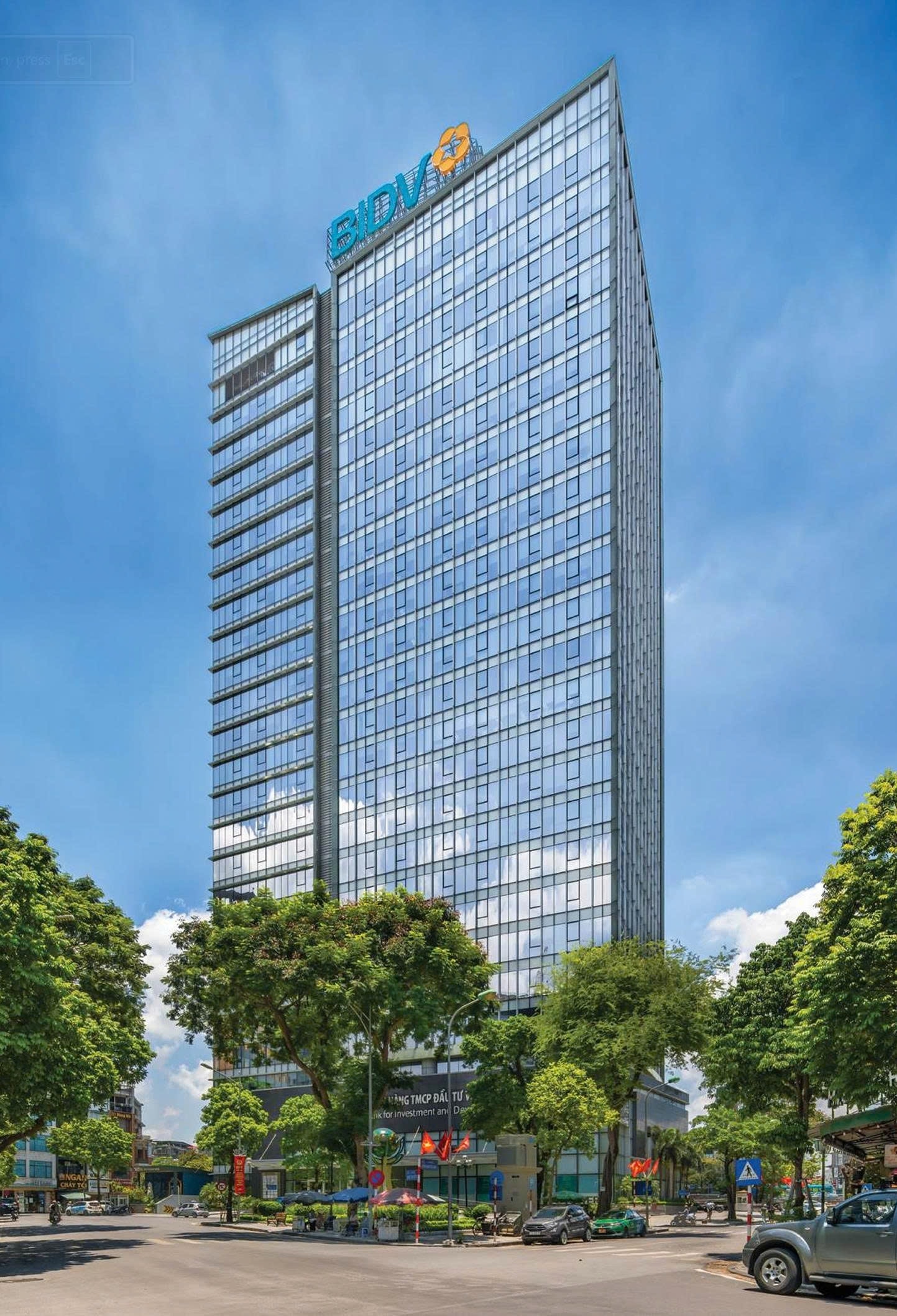
The Economic Research Institute of the Bank for Investment and Development of Vietnam (BIDV) believes Vietnam has a solid foundation to achieve growth of 9%–9.5%, or even 10%, with exports increasing by 12%–14%, total social investment rising by 10%–14%, and final consumption increasing by 9%–9.5%. Regarding value added across economic sectors: agriculture, forestry, and fisheries are projected to grow by 4%–4.5%, while industry, construction, and services are expected to grow by 10%–11%. The average CPI for 2026 is projected to be 4%–4.5%, driven by both cost-push factors (price adjustments for state-managed goods) and demand-pull factors (due to the lagged effects of high money supply growth in 2025).
Infrastructure capacity is increasingly being improved, and total social investment will be intensified in 2026 and subsequent years, led by public investment, laying the foundation for increased labor productivity in the coming period. Coupled with the strong commitment of the entire political system to institutional reform, Vietnam has the necessary conditions to aim for high growth in 2026
The BIDV Economic Research Institute emphasized in an analytical report.
Growth Drivers for 2026
Consumption, exports, and investment are the “three-horse chariot” driving Vietnam’s economic growth. In the Year of the Horse 2026, each driver is assessed as a “strong horse,” with greater pulling power than the previous year, and even compared to earlier periods.
Regarding investment, a report by VinaCapital notes that following a 40% increase in 2025, the public investment plan for 2026 is expected to grow by an additional 20%–30%. The growth rate of public investment is expected to accelerate from an annual increase of 10% over the past decade to an increase of 20%–30% in the coming period. With its contribution to GDP expected to rise from 6% to 10%, the wave of public investment (primarily in key infrastructure projects) will propel Vietnam’s GDP to new heights, similar to certain phases in China following the global financial crisis. Crucially, Vietnam has room to increase infrastructure spending as public debt remains below 40% of GDP, while the “bottlenecks” hindering disbursement speeds have been and are being aggressively addressed.
Infrastructure expansion inevitably drives real estate development—a sector that has seen a positive recovery in 2025, marked by increased supply, transactions, and impressive price growth. According to VinaCapital, real estate contributes up to 15% of GDP when accounting for indirect effects, including increased household spending on interior design and housing-related products.
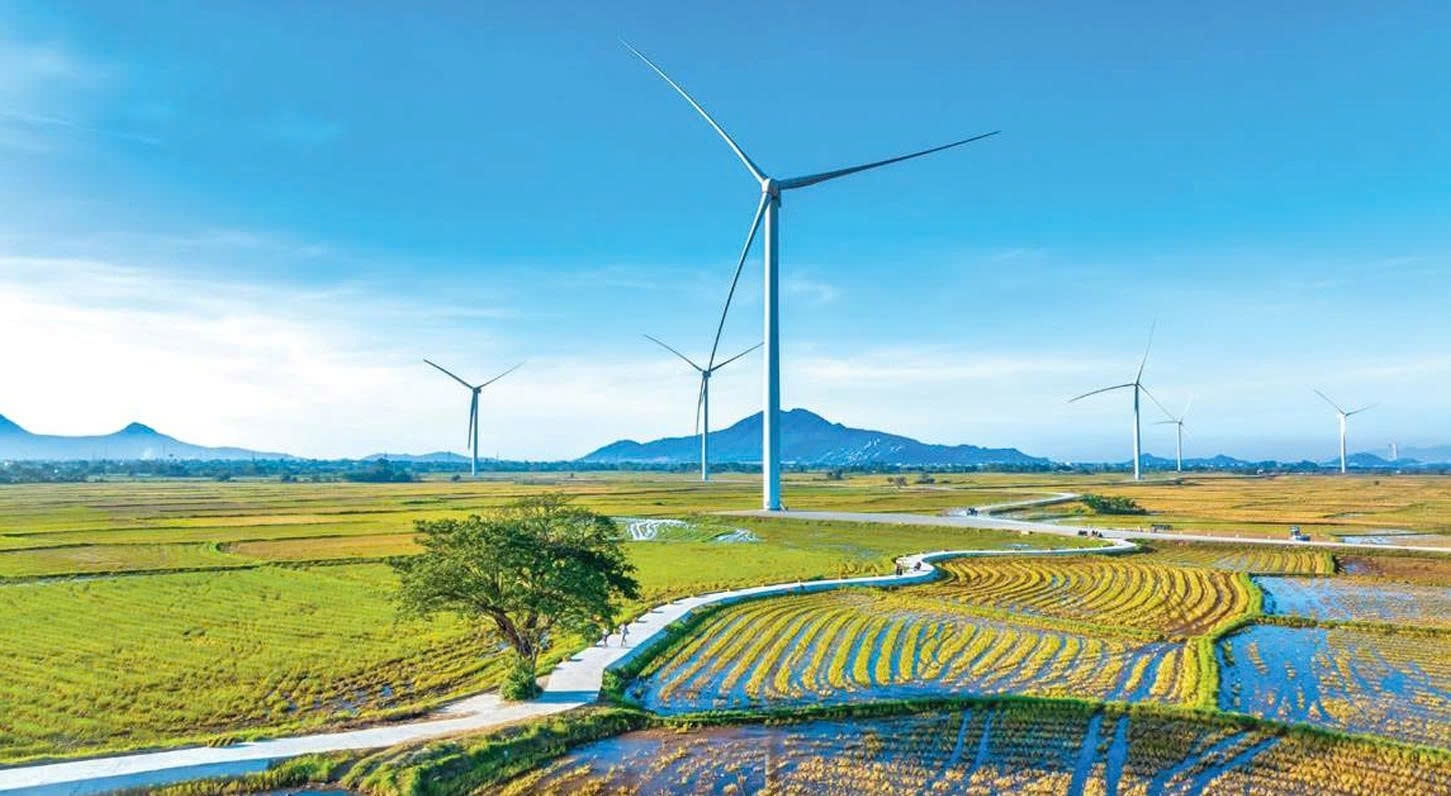
In addition to public investment, exports are also expected to be very promising in 2026. Vietnam has effectively leveraged the shift in supply chains to drive export growth over the past several years. The export target for 2026 is $535–548 billion, an increase of 12%–14% compared to the previous year, with an expected trade surplus of $18–20 billion. This target is supported by the strong growth of high-tech industries serving AI, such as laptops and high-tech electronic products, particularly as retaliatory tariffs with the U.S. are negotiated at levels comparable to or lower than those of competing nations. U.S. import demand is expected to remain stable, driven by strong spending from the middle- and upper-class segments. The U.S. is also expected to avoid a recession in 2026, thanks to large-scale fiscal and monetary stimulus measures to support the economy ahead of the midterm elections.
Regarding consumption, after three years of pent-up demand following the COVID-19 pandemic, purchasing power is expected to improve in 2026, particularly as rising stock and real estate markets create a “wealth effect.” Not to mention that the government is also rolling out numerous consumer support programs, such as extending the VAT reduction, increasing the personal exemption, and partially relaxing new tax regulations for individual businesses…

Underpinning all three of these drivers is an investment and business environment that is being significantly improved thanks to far-reaching institutional reforms—even unprecedented ones. Through the streamlining of the Party, National Assembly, and Government structures, the reorganization of provincial-level administrative units, the abolition of district/town/city levels under provinces, and the merger of communes/wards… Vietnam is making significant strides toward the most streamlined and efficient administrative system in over 30 years. In parallel, the Politburo has issued a series of important resolutions: Science and Technology, Innovation, and National Digital Transformation (Resolution 57), international integration (Resolution 59), lawmaking and enforcement (Resolution 66), private sector development (Resolution 68), and state-owned sector development (Resolution 79)… laying the foundation for a new institutional framework. In 2025 alone, the National Assembly and the Government passed over 80 laws and issued 300 decrees, setting a legislative record. It is projected that in 2026, the legislative process will continue at a high intensity, with impacts that will extend for many years, and even decades.
Thus, it is evident that Vietnam is brimming with opportunities and the potential to achieve significant growth milestones and shift its position on the global economic map. Of course, these prospects come with challenges, such as the disparity in investment between the state and the private sector, a narrowing trade surplus under pressure from rising imports, growth dependent on credit, and risks to financial system stability due to an overheated real estate market… Nevertheless, opportunities outweigh challenges, and the prospects are greater than the obstacles; Vietnam’s economy has established a fairly solid upward cycle, and the only question is the pace.
Le Hai