







Ageless Skin
The trend of skin longevity is ushering in a new era for the beauty industry, focusing on nurturing skin health at the cellular level rather than merely pursuing superficial youthfulness or the dream of “eternal youth.”
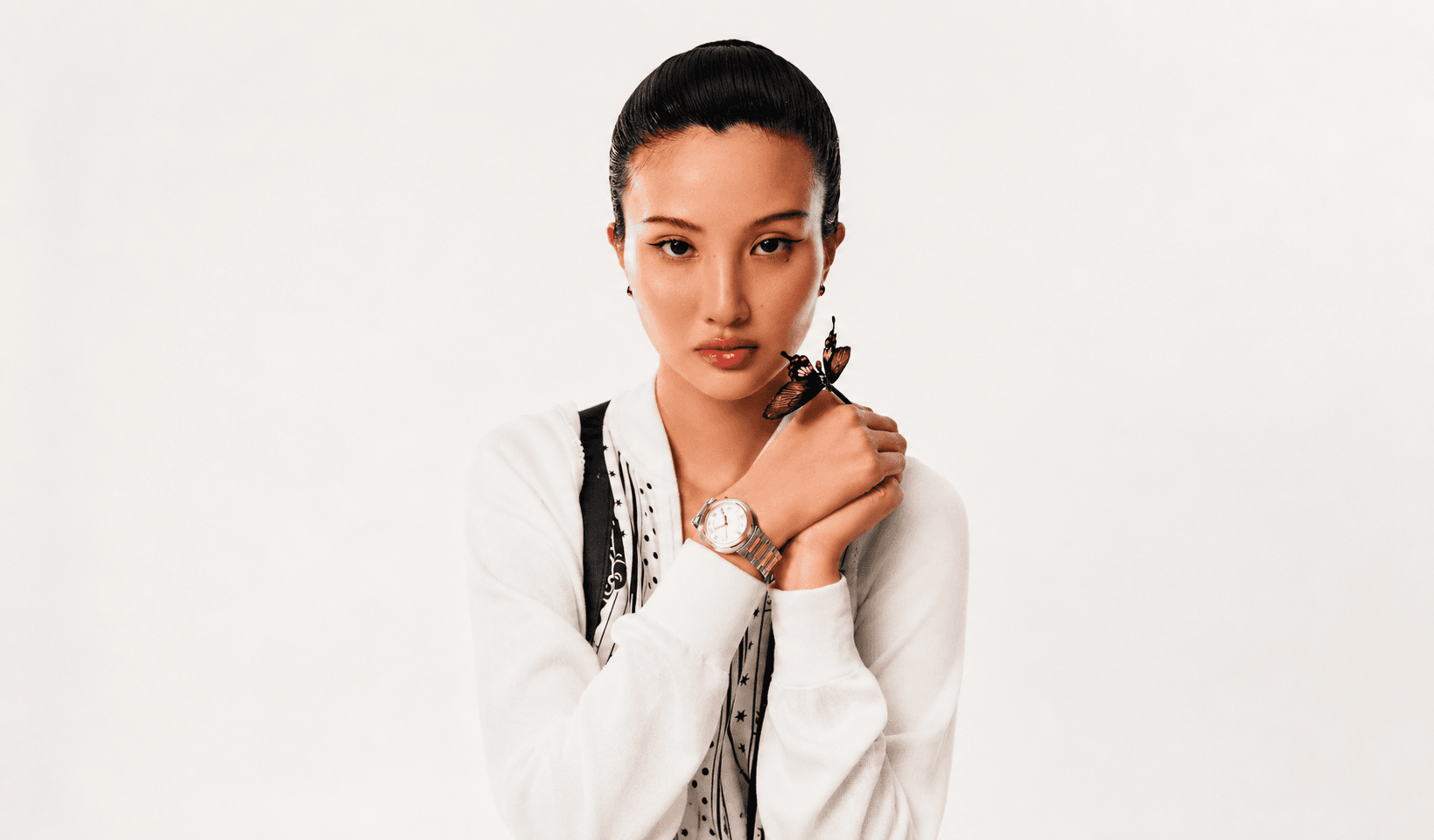
The desire to maintain a youthful appearance and prevent time from leaving its mark has never been a story exclusive to the modern era. That desire has crystallized into an ever-evolving beauty industry. Today, rather than merely chasing superficial solutions, this industry—which has long been highly profitable—is witnessing a major shift in philosophy, with a focus on skin longevity. The trend revolves around methods to maintain skin health at the molecular cellular level, thereby extending the skin’s lifespan rather than promoting the unrealistic dream of eternal youth.

From Trend to Lifestyle
Social media and celebrities have played a significant role in elevating “skin longevity” beyond the scope of a single beauty trend to become a way of life. Gwyneth Paltrow—the actress who once starred alongside Iron Man on the big screen—is a prime example. In her fifties, she still maintains firm skin, a trim figure, and her signature calm demeanor. On her personal page, the actress often shares mornings that begin with meditation in silence, followed by the habit of monitoring her health down to the smallest biological metrics. For her, skincare has never been about a few superficial steps, but rather the natural result of a body that is properly nourished.
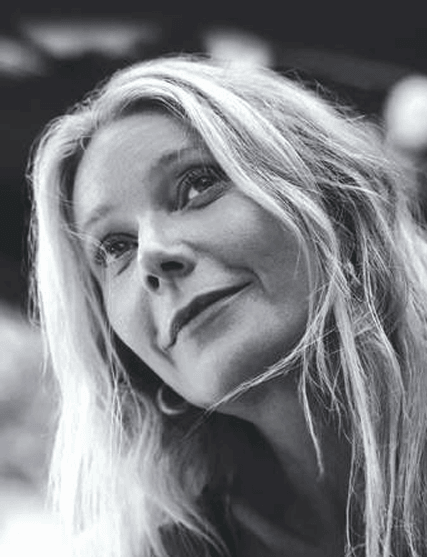
Meanwhile, Kim Kardashian has found new inspiration in biohacking. In an episode of the reality show “The Kardashians,” she and her family met with Bryan Johnson, a prominent influencer in the field, and showed particular interest in bio-monitoring devices—from sleep, heart rate, and recovery to micro-metrics reflecting inflammation and aging. Even Paris Hilton, the party and luxury icon of the 2000s, has quickly jumped on the bandwagon. Appearing recently with a fresh, radiant look, she openly discussed deep-level biological body care treatments, such as NAD infusions combined with methylene blue—a method she believes supports cellular regeneration, maintains mental clarity, and boosts endurance.
These stories have helped spread the concept of “longevity” throughout the global beauty community. Instead of merely seeking quick-fix solutions for coverage or plumping, consumers are increasingly curious about long-term skin-nourishing methods that start at the cellular level. Keywords surrounding “age-defying skin”—from the skin microbiome and the skin barrier to oxidative stress and cellular energy—are seeing a significant surge in search interest across platforms.
More importantly, this trend isn’t centered on a single product or a single skincare step. It is understood as a comprehensive care strategy: topical skincare products paired with dietary supplements, personal health monitoring devices, and bio-rejuvenation therapies such as red light therapy to stimulate cellular energy or cold compresses to control inflammation. Healthy skin is thus the result of a well-established, long-term skincare ecosystem.
Extending skin longevity
Before the concept of “ageless skin” became a prominent trend in the beauty industry, scientists had already discovered the existence of “zombie cells.” Simply put, these are aging cells that have stopped dividing but have not been eliminated. Silently existing within skin tissue for years, they emit inflammatory signals and weaken the skin’s natural regenerative capacity. To put it simply, the more “zombie” cells there are, the slower the skin’s biological machinery operates.
This discovery has opened up a completely new approach in anti-aging research. Instead of focusing solely on improving visible surface signs like wrinkles or elasticity, scientists are now delving into the skin’s underlying biological mechanisms. Major questions have been raised: how to control the accumulation of aging cells, how to maintain energy for cellular activity, and most importantly, how to extend the lifespan of skin cells themselves.
One of the first areas of research focused on protecting cells from environmental damage. Sunlight, pollution, or daily stress can all generate harmful molecules that damage cellular structure. As these damages accumulate over time, the skin’s natural ability to repair itself gradually diminishes. Consequently, many cosmetic laboratories have focused on identifying potent antioxidant compounds to help cells better withstand these effects. A prime example is CHANEL’s nearly two-decade-long study of the red camellia variety “The Czar,” conducted in collaboration with the University of Vienna. This flower features deep red petals, golden stamens, and exceptional resilience. The extract from its petals contains high levels of protocatechuic acid—an antioxidant that boosts the energy and functionality of skin cells by up to 67%.
While the approach above focuses on protecting cells, other studies aim to restore their internal energy sources. Scientists are increasingly interested in mitochondria—the cell’s “powerhouse.” Every skin cell requires energy to repair itself, regenerate, and produce collagen. When mitochondria function efficiently, these processes proceed smoothly; however, over time, this “powerhouse” gradually weakens. From this perspective, Dior developed the OX-C technology with the goal of restoring the flow of oxygen to mitochondria, helping to replenish the energy necessary for cellular activity. As the energy environment improves, collagen production in the dermis is also significantly stimulated.
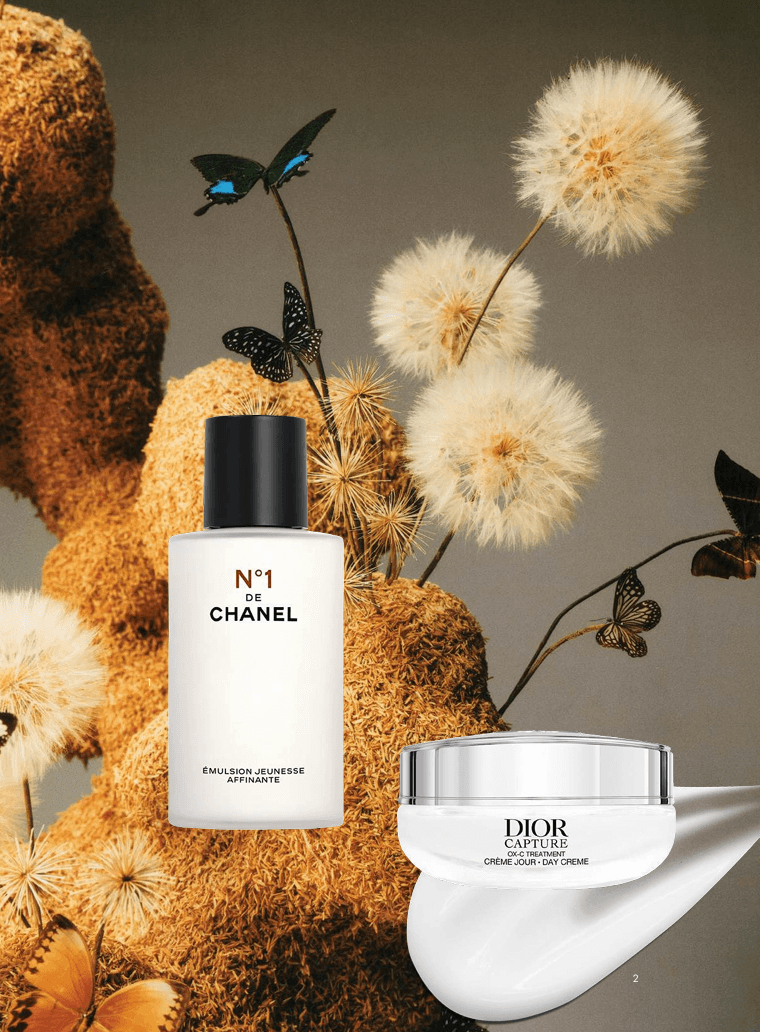
1. N°1 de Chanel Refining Youth Emulsion: A moisturizing emulsion combining AHA active ingredients with red camellia flower complex to refine skin texture. Its lightweight, fluid texture provides a comfortable and refreshing sensation.
2. Dior Capture Day Cream: A moisturizer designed to optimize oxygen transport within the skin, supporting an ideal environment for cells to function effectively. The formula also contains lily extract, which acts on stem cells, along with pro-collagen dipeptides to maintain elasticity and firmness.
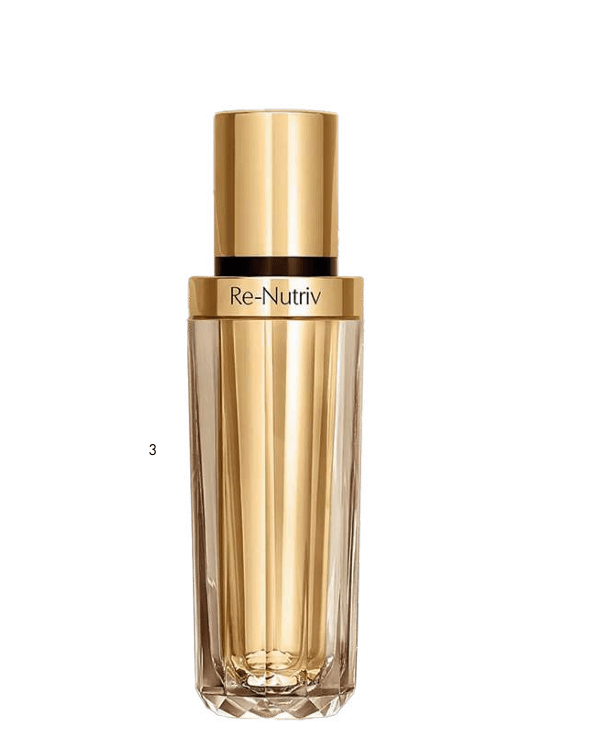
Concurrently, scientists are particularly interested in another factor directly linked to biological longevity: the sirtuin protein family, often referred to as the “longevity genes.” These proteins act as a switch regulating many of the body’s self-protective mechanisms, from repairing minor cellular damage to maintaining the stability of biological functions. Recognizing the potential of this research direction, Estée Lauder has dedicated over 15 years to the field of sirtuins. Through a collaboration with the Stanford Center on Longevity, the company developed the active ingredient Sirtivity-LP, which activates the activity of these proteins, thereby promoting the skin’s self-protective and self-repair mechanisms at the molecular level.
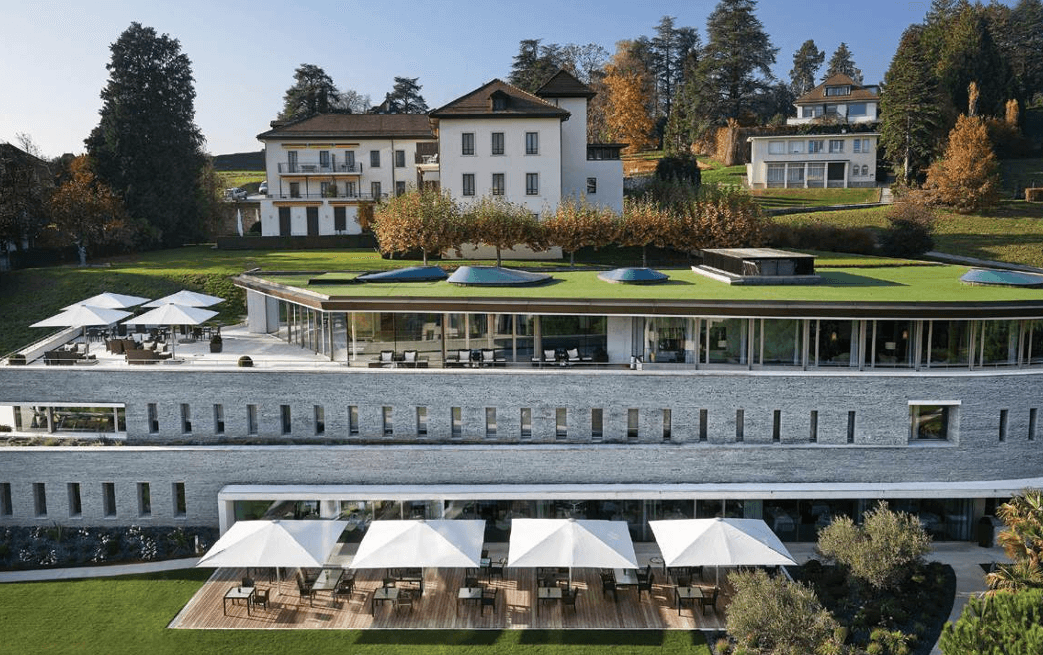
The quest for the secret to cellular longevity, of course, does not stop there. For La Prairie, the concept of cellular longevity has long been the foundation of the brand’s skincare philosophy. The Exclusive Cellular Complex™ technology combines active ingredients such as sturgeon caviar extract, peony root, and hyaluronic acid to support the skin’s regenerative capacity. Furthermore, at Clinique La Prairie—the brand’s longevity clinic—scientists pursue a medical approach: storing the body’s own stem cells. The Beauty Stem Cells program allows for the collection of these cells when the body’s regenerative capacity is at its peak and preserves them for up to 30 years. When needed, they can be used in tissue regeneration therapies or intensive rejuvenation programs to support the body’s repair and recovery processes.
3. Estée Lauder Re-Nutriv Ultimate Diamond Transformative Brilliance Serum: A serum that acts as a “boost of vitality” for the skin. The active ingredient Sirtivity-LP activates the activity of “longevity genes” to enhance the body’s natural production of collagen and elastin.
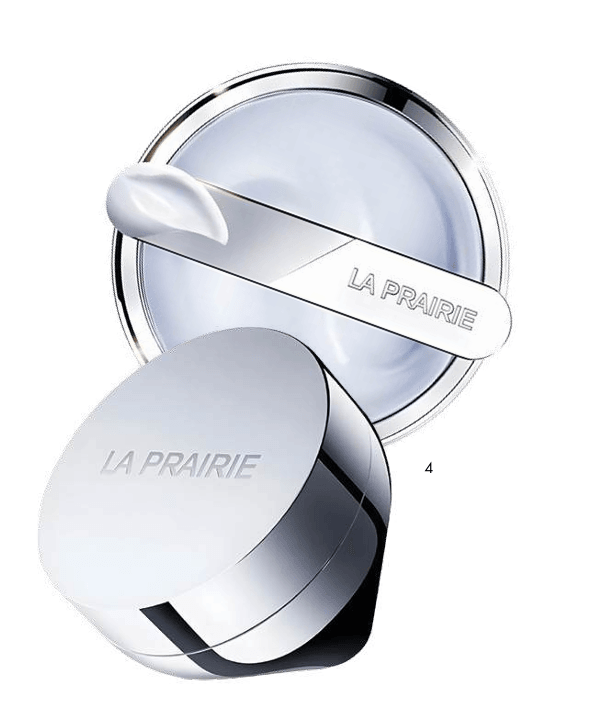
4. La Prairie Life Matrix Haute Rejuvenation: CREAM Inside the diamond-polished jar lies a silky-smooth cream texture that absorbs instantly upon application. The product’s Exclusive Cellular Complex™ technology is formulated to extend the skin’s lifespan.
Entering the realm of men
Aging-defying skin is gradually moving beyond the confines of a single beauty trend to become a lifestyle embraced by all ages and genders. For men, this shift stems primarily from a fundamental shift in societal mindset: beauty is no longer the exclusive domain of women but is now recognized as a legitimate form of self-care, closely linked to health, vitality, and quality of life.
The appeal of this concept to men also stems from its direct intersection with biohacking—a movement that has exploded in popularity and captured the interest of men for over a decade. Broadly defined, biohacking involves deliberate interventions in the body’s biological systems to optimize health, performance, and longevity through science, technology, and the measurement of personal data. The image of the modern man pursuing biohacking is no longer unfamiliar: a wrist wearing a bio-tracking device, checking sleep scores in the morning before brewing coffee; health apps logging every heartbeat and every workout cycle. They practice intermittent fasting to optimize metabolism, adjust their diets based on lab test data, and monitor HRV (heart rate variability) as an indicator of the body’s adaptability.
When the biohacking mindset is applied to skincare, it is redefined as part of a long-term health strategy, rather than merely a tool for improving appearance. For men, concerns extend beyond wrinkles or skin tone and are interpreted through a biological lens: strengthening the skin’s protective barrier to reduce micro-inflammation, supporting the body’s recovery mechanisms after environmental stress, maintaining cellular energy, and slowing age-related functional decline. Concepts such as oxidation, cellular repair, mitochondrial function, and tissue regeneration are therefore increasingly appearing in conversations with male customers. Commenting on this trend, Suzanne Scott—Global Beauty Director at Seen Group, a firm specializing in data and consumer behavior analysis—predicts: “The men’s beauty market will be strongly driven by a focus on longevity, body optimization, and biohacking.”