







BIDV contributes to promoting the habit of using money in a civilized and responsible manner
This morning, February 4, in Hanoi, BIDV partnered with the Banking Times to host a seminar on the topic of "Civilized Money Use and Secure Payments During Tet."
As the traditional Tet holiday approaches, the pace of commerce becomes more lively and bustling than usual. At this time, the issue of spending and using money is not just an economic activity, but also reflects cultural values, customs, and how people behave in modern life. At the same time, the problem of financial fraud and risks to information security during Tet increases. In response to this situation, BIDV has partnered with the Banking Times, individuals, and organizations to host a seminar titled "Civilized Money Usage and Safe Payments During Tet."
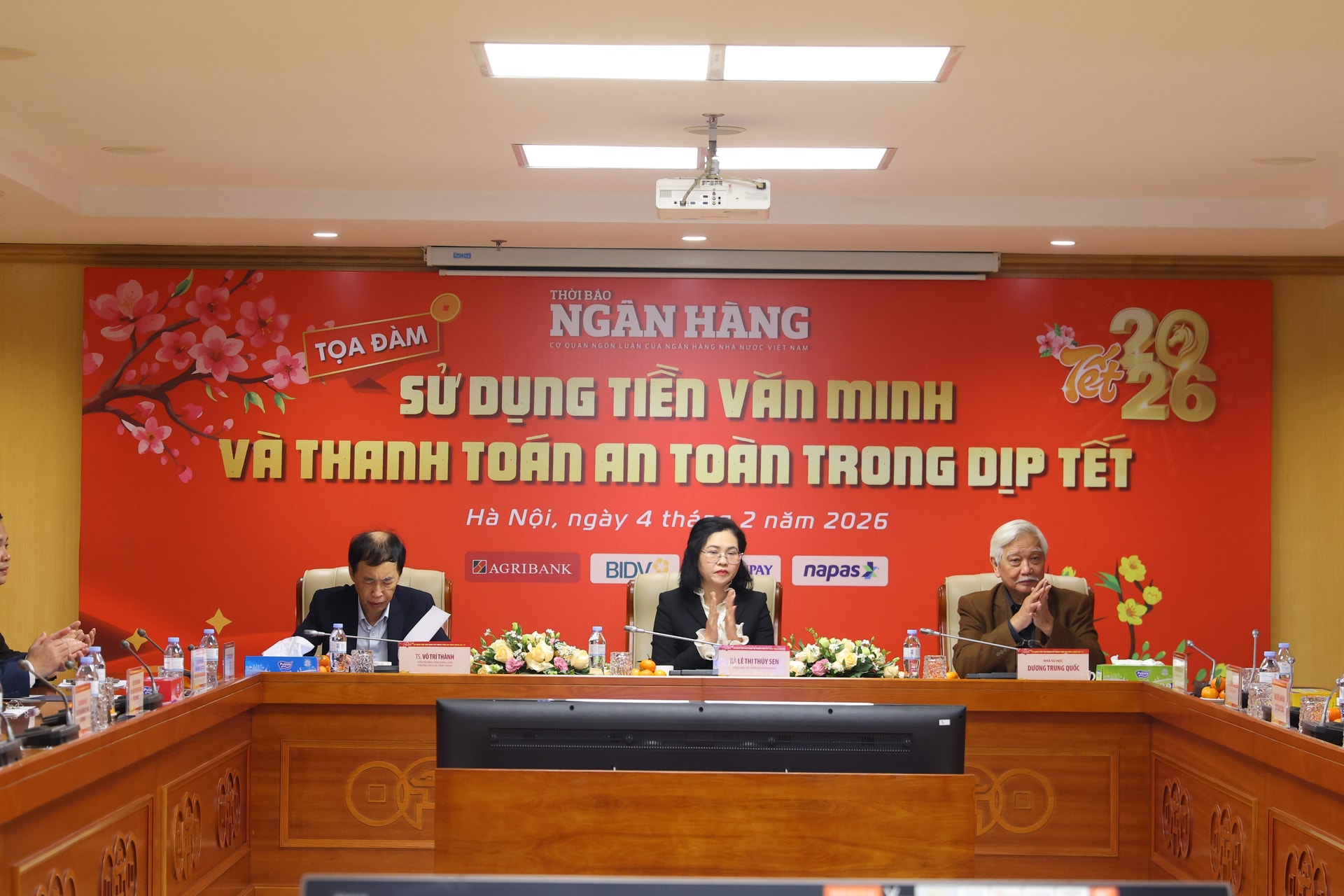
The event brought together the opinions of cultural researchers, reputable experts in society, policy management agencies, as well as representatives of commercial banks and payment infrastructure operators. Representing BIDV was Ms. Dao Bui Kieu Kinh, Deputy Director of the Communication and Branding Department.
In the field of payment and digital transformation, the banking industry is one of the leading sectors, providing people with modern, convenient, and secure services that are on par with developed countries.
"How to increase the effectiveness and efficiency of the SBV's management; clarify the responsibilities of commercial banks in ensuring smooth and secure transactions; and at the same time raise public awareness in the active, civilized, and responsible use of payment services are the issues that today's seminar aims to address," emphasized the Editor-in-Chief of Thoi Bao Ngan Hang.
Attending the seminar, historian Duong Trung Quoc shared many insightful perspectives on the custom of giving red envelopes—a familiar practice that also poses many challenges in modern life. Lì xì is a product of a long historical process, capable of self-filtering and adapting. The issue is not about mechanically eliminating or maintaining it, but about understanding its core values so that these customs can continue to exist in a way that aligns with modern life.

In the context of modern society, alongside technological development, the form of lì xì is also changing. Electronic red envelopes offer convenience in management and transactions. However, according to Mr. Duong Trung Quốc, the question is whether this form can fully convey emotions. Because emotion is one of the important elements of cultural behaviors. If it is just a dry money transfer transaction, then electronic red envelopes are no different from other transactions in economic life.
But according to him, tradition does not mean staying the same. The important thing is to make tradition relevant to the times, while still retaining its core values. If modern forms of red envelopes can be accompanied by wishes, images, or messages with special meaning, then the recipient can still recognize the cultural significance of this custom, rather than just a number in an account.
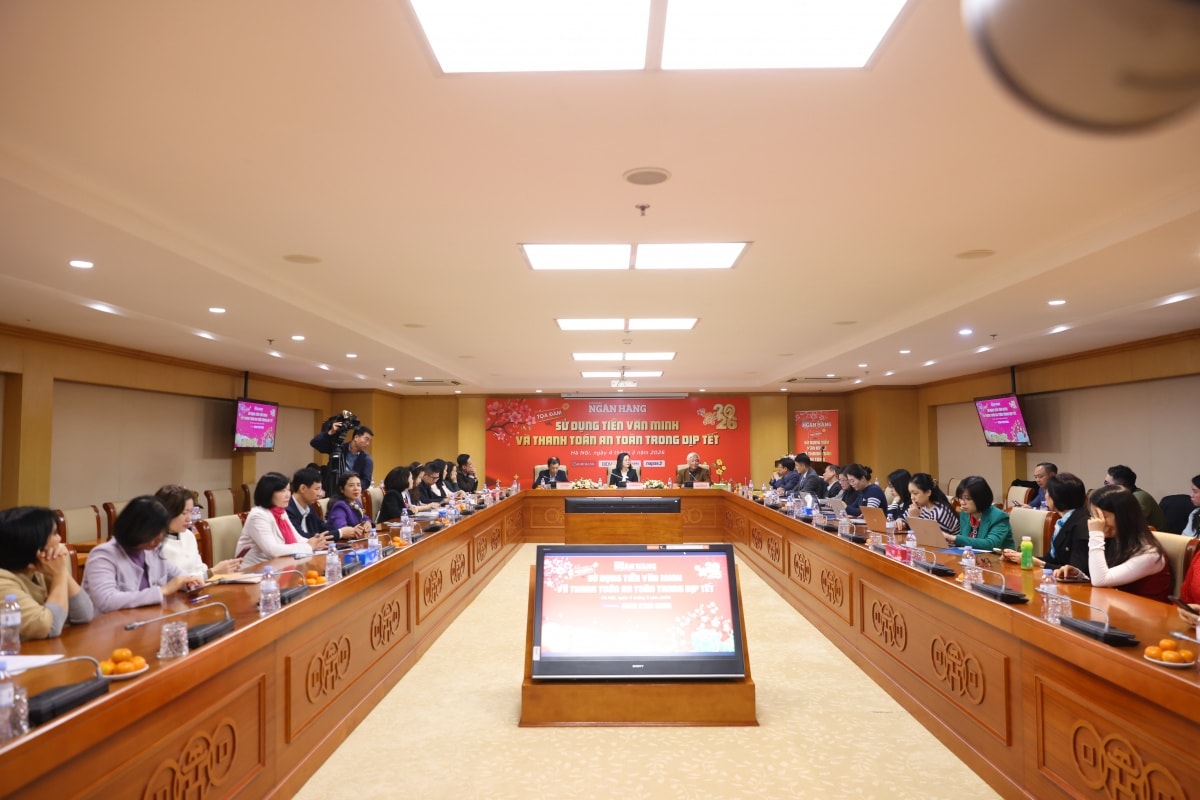
For many years now, on the BIDV SmartBanking app, customers have been using the "Gift" feature to send red envelopes and New Year's gifts to friends and relatives. Users can choose from a selection of pre-written messages or write their own personalized notes. Additionally, when using services on BIDV SmartBanking, customers have the opportunity to receive attractive prizes, discounts, B-points, and other benefits from BIDV.
With the participation of reputable experts and representatives from commercial banks and payment intermediaries, the seminar provided valuable information, in-depth analysis, and feasible recommendations, contributing to the spread of modern financial habits and responsible payment behavior in the community.