






Delicacies, Miracle Cures
The future of luxury experiences is being reshaped by the pursuit of longevity and holistic well-being. As one of the leading sectors, high-end cuisine today goes beyond mere sensory gratification; it serves as a purposefully crafted biological strategy, reflecting the vision of the connoisseur.
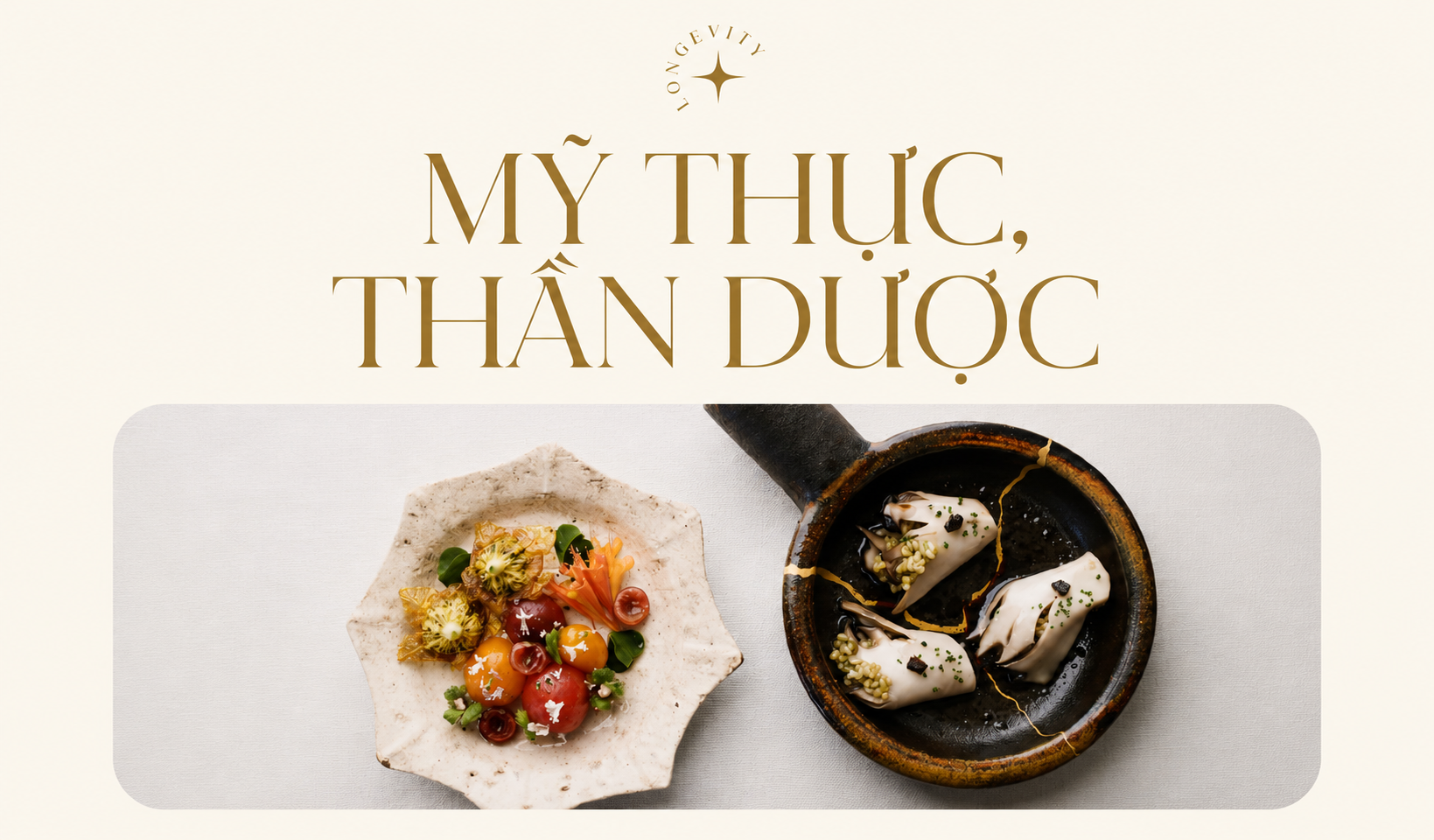
The future of luxury experiences is being reshaped by the pursuit of longevity and holistic well-being. As one of the leading sectors, high-end gastronomy today goes beyond mere sensory gratification; it serves as a purposefully crafted biological strategy, reflecting the vision of the connoisseur.
Since the “shock” of Covid-19, the luxury world seems to be stepping into a new era, where experiences and genuine values take center stage. Faced with this quiet shift, longevity has immediately become the ultimate measure of life.
Diners’ perceptions have also shifted profoundly: they no longer seek fleeting displays of extravagance but instead gravitate toward sustainable choices for both physical and mental well-being. This, in turn, is driving a shift in the mindset of high-end restaurants and chefs alike, compelling them to redefine their creative philosophies and operations. Today, healthy dining is viewed as the optimal path forward. In the East, this spirit has long been present through the culture of vegetarianism and simple, light eating, heavily influenced by Buddhism. Meanwhile, the West approaches it through nutritional science and trends that celebrate locally grown ingredients.
Experience culinary excellence with BIDV Private Banking
25% off bills ranging from 1 million to 3 million VND.
50% off for bills of 3 million VND or more (maximum discount of 2 million VND).
Receive one complimentary set menu when dining at a Michelin-starred restaurant
From Farm to Table - Eleven Madison Park
Since 2021, Daniel Humm has decided to completely restructure the operations of Eleven Madison Park, transforming it from a renowned destination specializing in foie gras into the world’s only three-Michelin-starred restaurant featuring a vegetarian menu. This move stems from the insights and reflections of the talented Swiss chef regarding post-pandemic cuisine, when he unexpectedly realized that “the best ingredients don’t necessarily have to come from animals” or that “gourmet cuisine can clearly become an ally in the journey to protect this precious planet.”
Eleven Madison Park’s menu still revolves around familiar delicacies like mille-feuille and meringue, but it no longer relies on eggs or butter to create its flavors. Even the famous caviar dish is now replaced with “land caviar” (also known as tonburi)—a seed from the Japanese cypress tree of the Bassia genus—as a perfect mimicry of the texture of “authentic” caviar. The key point is that all ingredients are strictly selected from Magic Farms, Daniel’s trusted organic farm.
Seasonal Delights - Lamai Garden
Continuing the philosophy of growing and cultivating food themselves, Chef Tran Hiếu Trung and Lamai Garden not only make full use of the abundant local ingredients but also present them in a highly creative form: a seasonal menu. The reason is simple: seasonal food is always the freshest and most flavorful. This approach, when combined with regional spices and specialties, further evokes a distinct sense of Vietnam’s seasons and geography.
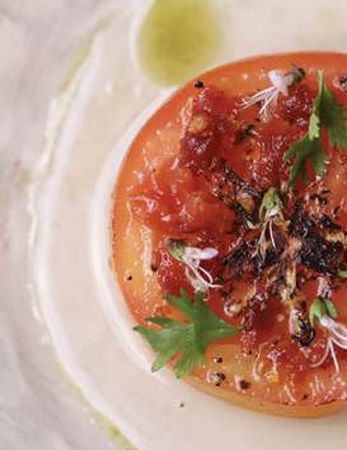
Located in the capital city of Hanoi, Lamai bears the distinct imprint of the northern climate. For instance, in early September, even as the weather begins to shift, the restaurant still includes tomatoes in its summer menu. Unlike the traditional tomato season nationwide, tomatoes in the North typically peak from July to October. Not to mention that in recent years, summer has tended to extend into fall; the presence of the “steak” tomato dish, marinated in quince sauce and paired with a hint of fragrant sticky rice, thus feels like a belated summer treat, leaving an unforgettable aftertaste for diners.
Diners’ perceptions have also shifted profoundly: they no longer seek fleeting extravagance but instead gravitate toward sustainable choices for both body and mind.
Fermentation, fermentation, and more fermentation! - Noma
When mentioning Noma, the first thing that comes to mind for food connoisseurs is undoubtedly the image of a table overflowing with “crazy” creations that go far beyond ordinary imagination. For this reason, many prefer to liken the place to a “laboratory” rather than a luxury restaurant, thanks to Chef René Redzepi’s relentless ability to transform and experiment with ingredients. The way the entire cooking process is controlled through fermentation techniques is also a key feature that gives this restaurant—which has been voted the world’s best five times—its unique character.
Noma’s fermentation process focuses on using microorganisms (such as bacteria, molds, and yeasts) to break down or transform the molecules found in food. A series of secondary reactions then unfolds continuously, gradually building up layers of flavor and aroma that did not exist from the start. In addition to enhancing quality and extending shelf life, René’s unwavering support for this approach stems from his belief that a diet rich in fermented foods contributes to a healthy body.
Nature is the foundation - L'Arpège
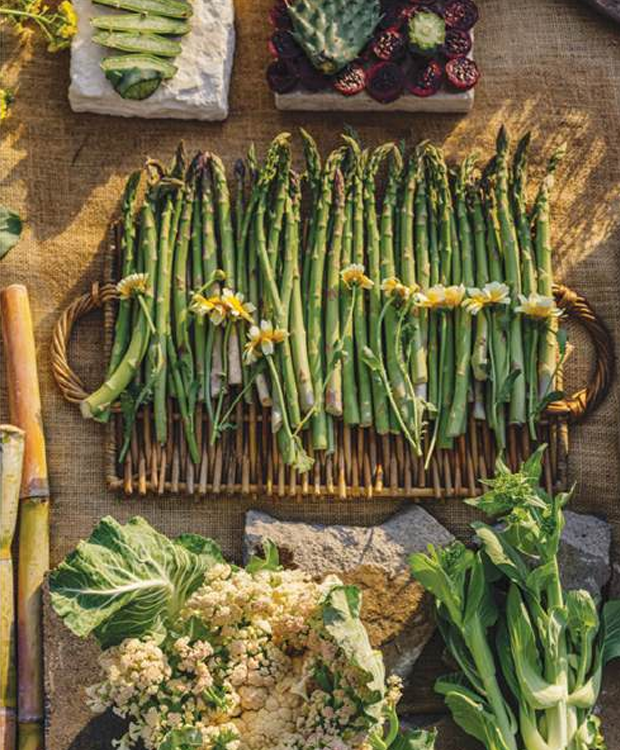
The French seem to have an endless love for meat. That is, until Alain Passard, one of the country’s most influential chefs, launched a campaign to limit the use of animal-based products in the early 2000s, causing quite a stir in Paris’s high-end culinary circles at the time. It’s almost like watching a quick cut from the fifth season of the hit series “Emily in Paris”! Coincidentally, both Alain and the character Gabriel share the same vision of transforming their restaurants into absolutely “green” establishments.
Over time, L’Arpège joined the “club” of Michelin-starred vegetarian restaurants, while Alain pioneered his vision for plant-based cuisine, sparking a new revolution in contemporary French cuisine—and indeed, in the culinary world as a whole. Essentially, the 69-year-old chef does not view the shift toward plant-based dining as a trend or a marketing tool; rather, he believes that living in harmony with nature is the very essence of cuisine. This philosophy guides him toward a healthier cooking style, one that has less impact on the environment, and above all, allows him to push the boundaries of what food can be.
Yin and Yang in Harmony - Kintsugi
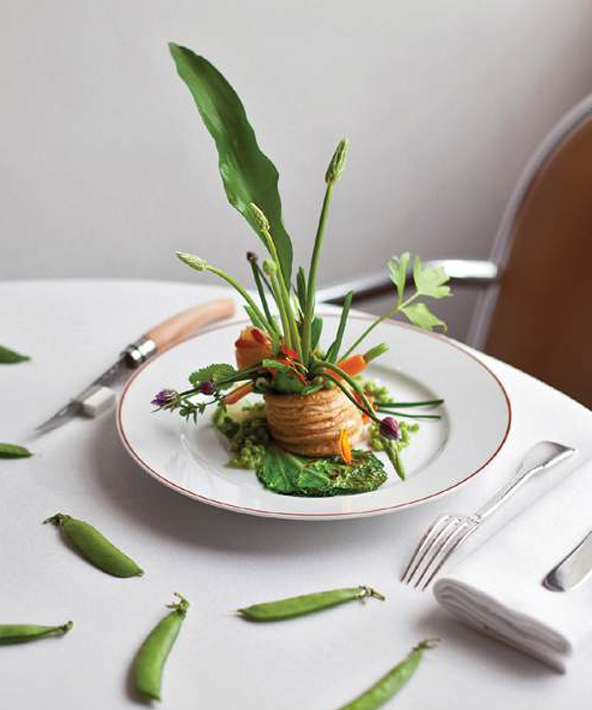
In a world where health is increasingly prioritized, eating has long transcended the functions of “satiety” or “taste” to carry the mission of nurturing and regulating the body from within. It is precisely this need that has led to the Yin-Yang philosophy in cuisine being increasingly recognized as a profound framework, where each dish now carries energy that directly influences both the physical and mental well-being. Originating from Taoism, this concept has been deeply ingrained in Eastern culture for thousands of years, and to this day continues to shape how major Asian culinary traditions understand health, balance, and the art of living.
In Kuala Lumpur, this spirit is fully embodied in the intimate setting of Kintsugi, a Japanese restaurant nestled within the Isetan department store. If there is one moment that captures this essence most clearly, it is likely when the dessert—the matcha and yuzu entremet—is served. The deep, mellow bitterness of matcha represents Yin, placed alongside the bright, refreshing tartness of yuzu (also known as Japanese citron), which symbolizes Yang, creating a harmonious balance on the tongue. Neither overpowers the other; the two contrasting yet complementary flavors support one another, delivering a sensation that is both gentle and profound, much like a slow breath after a feast for the senses.
Trieu Minh