







The Art of Living in the Green Zone
As people become increasingly caught up in functional foods, complex diets, and modern health-tracking devices, many studies suggest that the secret to a longer life lies in simpler things. A balanced, healthy, and meaningful lifestyle can create a lasting impact, helping people live healthier and longer over time.

According to numerous scientific studies, people can extend their lifespan by up to 32 years simply by maintaining a balanced and meaningful lifestyle, while dietary supplements typically contribute only about four additional years. In a world increasingly obsessed with quick fixes, complex diets, and cutting-edge health-tracking devices, the true secret to a healthy life often lies in simple, time-tested daily habits.
One of the most compelling examples of this is the “Blue Zones” (Blue Zones), a term coined by renowned American journalist and longevity researcher Dan Buettner after years of collaborating with demographers and research organizations to study the world’s longest-living communities. Through his research, he identified several regions where people not only live significantly longer than the average but also maintain a healthy quality of life even as they enter their “golden years.”
To date, only five locations have been recognized by Dan as Blue Zones, including: Okinawa (Japan), Sardinia (Italy), the Nicoya Peninsula (Costa Rica), Ikaria (Greece), and Loma Linda in California (U.S.). Although scattered across different continents with varying geographical and cultural conditions, these communities share a notable commonality: the preservation of “small but powerful” habits across generations, such as a nutrient-rich diet, daily natural physical activity, and the cultivation of deep social connections, rather than chasing fleeting health trends.


Dubbed the “hidden gem” of the Mediterranean region, Sardinia remains one of Italy’s best-kept secrets—a magnificent destination often overshadowed by other islands along the mainland. Beyond its famously rugged and pristine coastline, what piques many people’s curiosity about this island is the quiet way of life that has nurtured one of the world’s longest-living communities. Part of the secret may lie in genetic factors resulting from centuries of geographical isolation. But what truly matters—and what anyone can learn from—is how the Sardinians live their daily lives.
Here, the land not only shapes the landscape but also permeates the residents’ daily lives. Alongside abundant marine resources, the Sardinian diet centers on plant-based foods: whole grains, legumes, cheese from free-range cows, and occasionally a piece of meat or a glass of the famous Cannonau wine, rich in antioxidants. Physical activity is also integrated into daily life, much like the three meals a day. On the rugged, winding slopes, it’s not uncommon to see an elderly person calmly walking and chopping wood even in their 90s. And while it may sound strange, but Sardinia’s longevity is also rooted in the island’s strong social fabric, where neighbors—comprising large, closely-knit families living side by side—regularly gather for chats in the town square or participate in annual festivals that foster deep community bonds. This strong sense of community acts as a mental tonic that helps ward off loneliness, a factor that is a silent contributor to reduced life expectancy in today’s society.
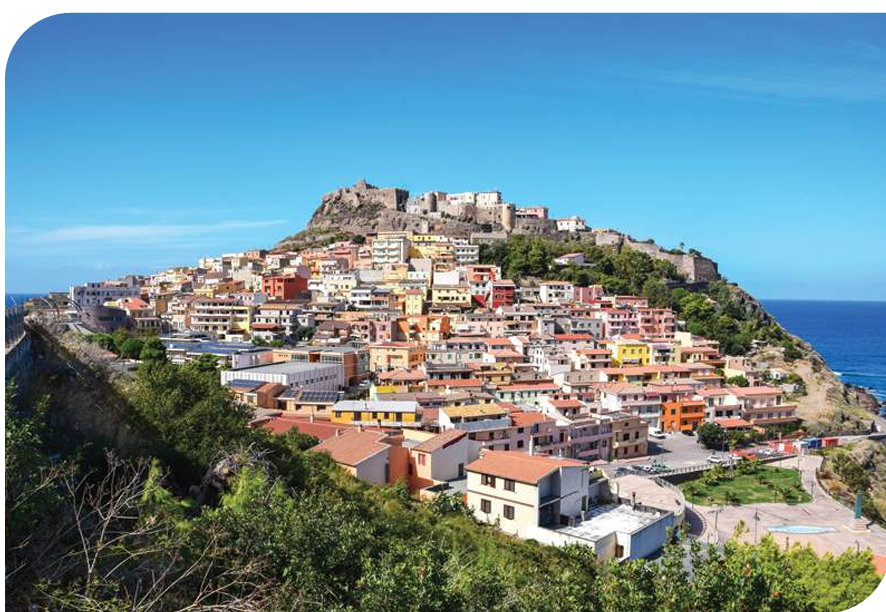

At the southernmost tip of Japan, there is an island that has retained its unique charm even after being incorporated into Japan in the late 19th century. Okinawa, covered in white sand and shaded by banyan trees, seems to harbor a remarkable demographic feature: for many years, it has been home to countless people who have lived past the age of 100.
While the purpose of life may remain a vague concept for some, in Okinawa, every individual deeply understands the reason they wake up each morning. This sense of purpose ensures that even the elderly are not separated from the workforce or the collective spirit; they still have a role to play and remain just as useful as the younger generation. In accordance with the self-sufficiency philosophy passed down from ancient times, the most common activity on the island is farming, with the primary food sources being barley, sweet potatoes, and various beans. Alongside this is a disciplined approach to eating: they strictly adhere to the “Hara Hachi Bu” rule, a Confucian adage reminding diners to eat only to satisfy hunger (about 80%) rather than stuffing themselves until their stomachs are full. It is precisely this moderation that keeps the average daily calorie intake of Okinawa residents relatively low, at around 1,800 calories. Through this inner understanding, the people of Okinawa have demonstrated that age should not merely be a number representing the passage of time, but rather the result of a body that knows how to practice moderation and a soul that always knows its place.
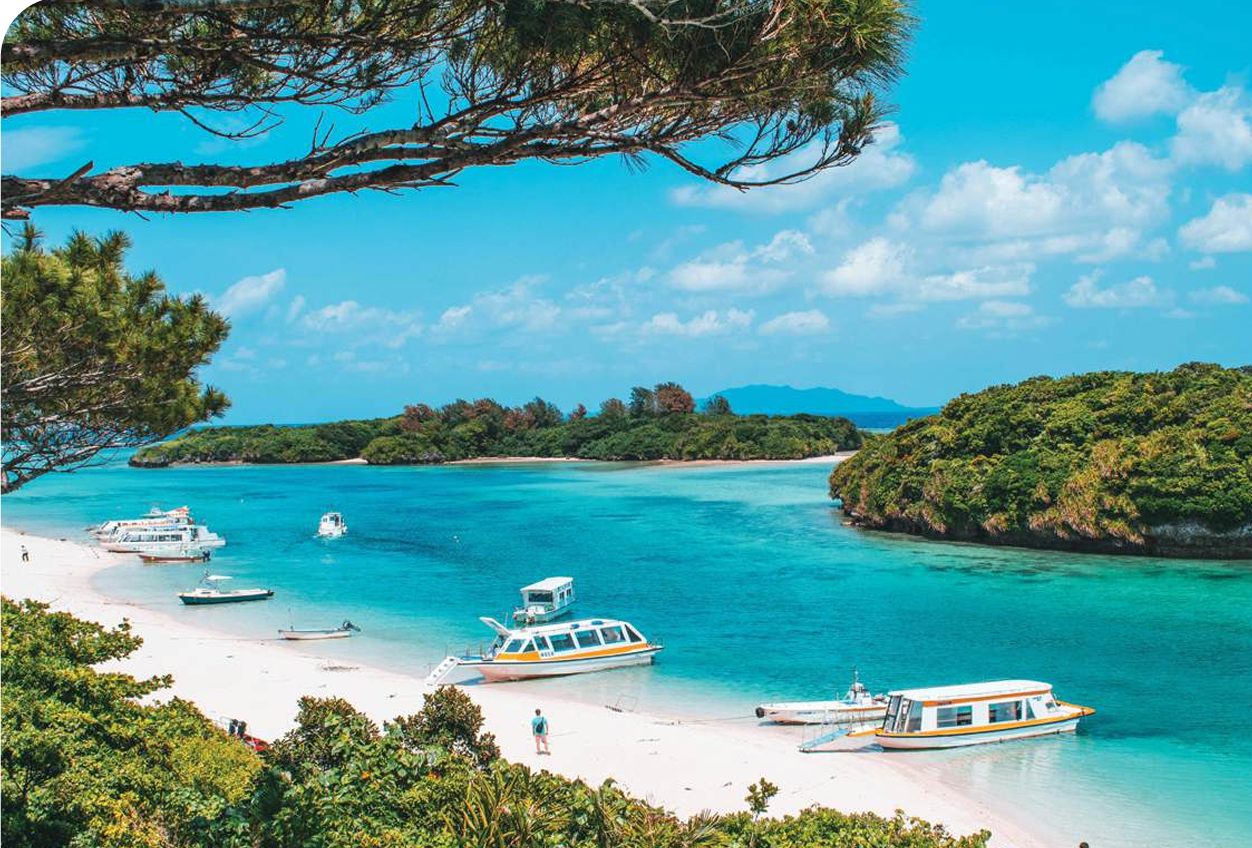

Climbing over granite boulders and sliding down holm oak forests covered in lichen amidst the deep blue Aegean Sea, Ikaria appears before your eyes as a strange land rather than a perfect resort. Here, people do not rush to keep up with the passing days but stroll slowly along ancient, weathered paths, picking ripe figs by the roadside and lingering under the shade of olive trees, laughing and joking until the sun has fully set. It seems that even before the statistics could speak, the landscapes and people of Ikaria have quietly told a different story—a story of how people live in harmony with nature, thereby extending the length of their lives.
Removed from the hustle and bustle of the outside world, Ikaria operates on a uniquely relaxed schedule: waking up late, taking a regular midday nap, and never letting the pressure of time dictate their lives. This seemingly… disorganized routine actually serves as a “shield” that significantly helps them ward off cardiovascular diseases. In terms of nutrition, the pure Mediterranean diet—highlighted by 80 types of wild vegetables and wild herbal teas like sage or thyme—is utilized as a remedy to effectively reduce inflammation and manage high blood pressure. However, when asking locals about the secret to longevity, the answers often go far beyond just diet. They believe that the very essence of the air holds a mysterious influence, especially since science has shown that magnesium—a substance akin to a natural antidepressant—is often released when sunlight hits granite. Living amidst such a happy atmosphere, all worries, stress, and loneliness naturally fade away.
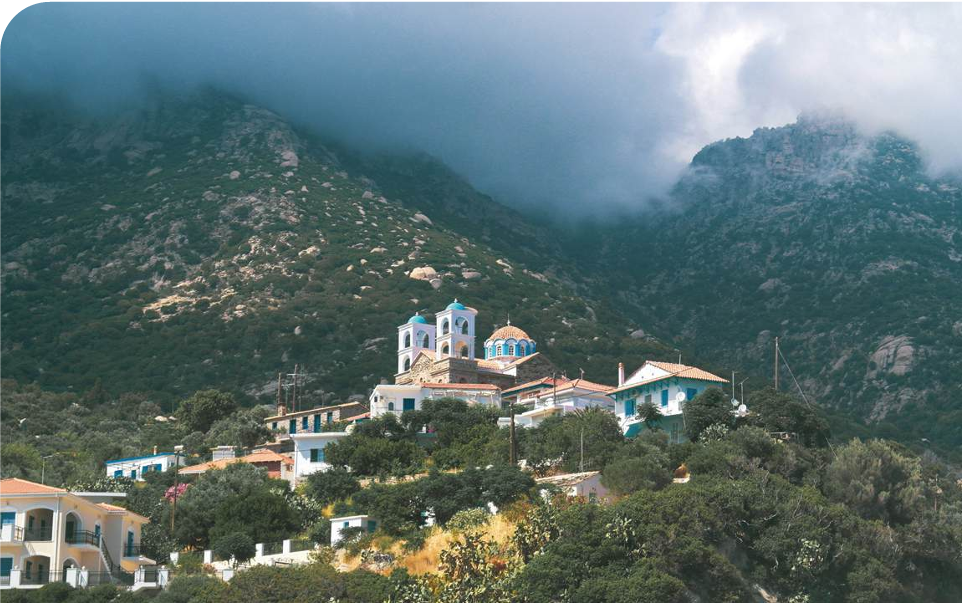

The entire philosophy of life in Costa Rica revolves around the term “pura vida” (meaning pure life). As one of the first Blue Zones, this philosophy is even more evident on the Nicoya Peninsula. Indeed, this is not only an area with a high concentration of people over 100 years old, but it is also famous for its elderly residents who are free from common global health issues such as obesity, cancer, or diabetes.
Nature’s bounty appears to be one of the key foundations supporting the Nicoyans’ remarkable longevity. Under a year-round warm and sunny climate, residents spend most of their time outdoors to boost their intake of vitamin D from natural sunlight, while also enjoying water rich in calcium and magnesium. The traditional diet is also a key factor here. A typical meal usually includes black beans, white rice, green bananas, tropical fruits, and fresh vegetables, while meat and processed foods appear only in small quantities. Similar to the island of Sardinia, Nicoya is also a place where people actively incorporate moderate exercise into their daily routines through activities such as gardening, walking, or caring for their families. It is clear that the “pura vida” philosophy fully reconnects the people here with the natural rhythm of the earth and sky. Amid a modern urban landscape that is increasingly distancing itself from nature, Nicoya seems to remind us that sustainable health sometimes begins with living just a little closer to nature.
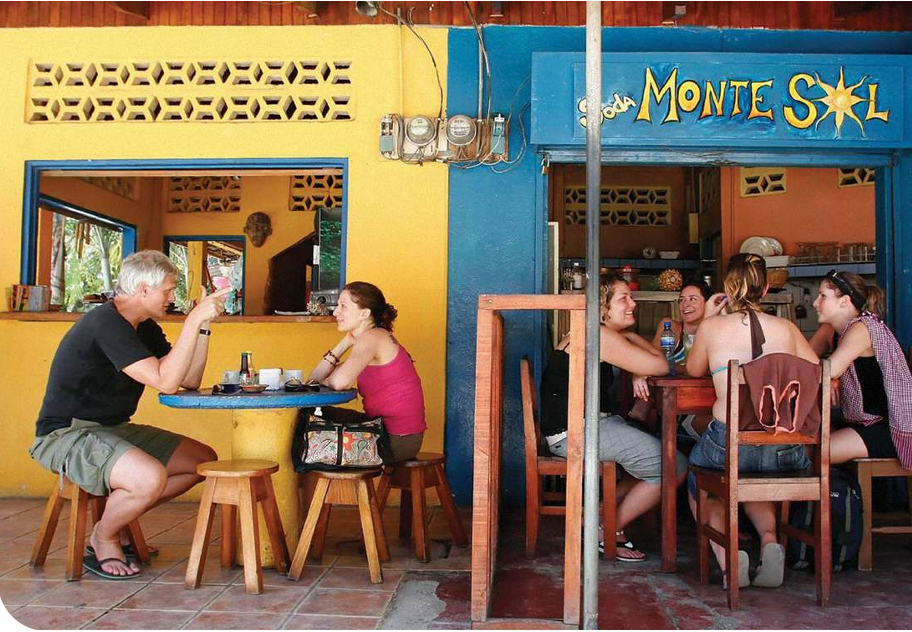

Unlike other Blue Zones, Loma Linda is not coastal. In fact, driving around the area, you’ll easily encounter a variety of landscapes, though few could be described as truly “picturesque.” Rows of rustic shopping centers, elementary school playgrounds, and especially numerous churches—half of which belong to the Seventh-day Adventist Church. According to the official Blue Zones website, the Seventh-day Adventist community in Loma Linda has a life expectancy nearly a decade higher than the U.S. average. So what sets this group apart from the rest of the country?

Gary Fraser, a professor and epidemiologist at Loma Linda, has called the place where he lives “a somewhat unusual example” of a Blue Zone. The reason is that the factor behind Loma Linda’s Blue Zone status stems from its large Seventh-day Adventist population—a religion that places great emphasis on health and encourages healthy eating habits. Influenced by the Bible, the trend toward a completely vegetarian or plant-based diet is often seen as a “guiding principle” in this community. However, the true strength of Loma Linda lies in the concept of “Downshift,” which implies intentional rest. Every week, they set aside a full 24 hours for the Sabbath to put aside all work-related worries and focus on connecting with family and friends. Of course, we don’t necessarily have to be Seventh-day Adventists to start a plant-based diet or set aside days of complete rest to honor community connections—and we certainly don’t need to move to Loma Linda to do so. Because, in reality, the essence of longevity lies in the ability to turn healthy habits into a way of life.
Journey to the Blue Zones
Today, the journey to the Blue Zones is no longer limited to admiring stories of sustainable living from afar; it has gradually been integrated into real-life wellness experiences. The emergence of specialized wellness spaces right within these regions is a prime example.
For instance, when visiting the Hacienda AltaGracia resort nestled amidst the majestic Costa Rican highlands, you have the opportunity to explore the Skin Longevity Institute skincare model developed by the luxury cosmetics brand Estée Lauder. Here, the art of reversing aging is meticulously refined based on scientific principles and each individual’s unique biological data.
From another perspective, the five-star Halekulani resort transforms a vacation into a comprehensive wellness journey by skillfully weaving the nine principles of Okinawan longevity into its guest experiences, transforming the vacation into a profound dialogue with the body rather than merely providing basic lodging services.
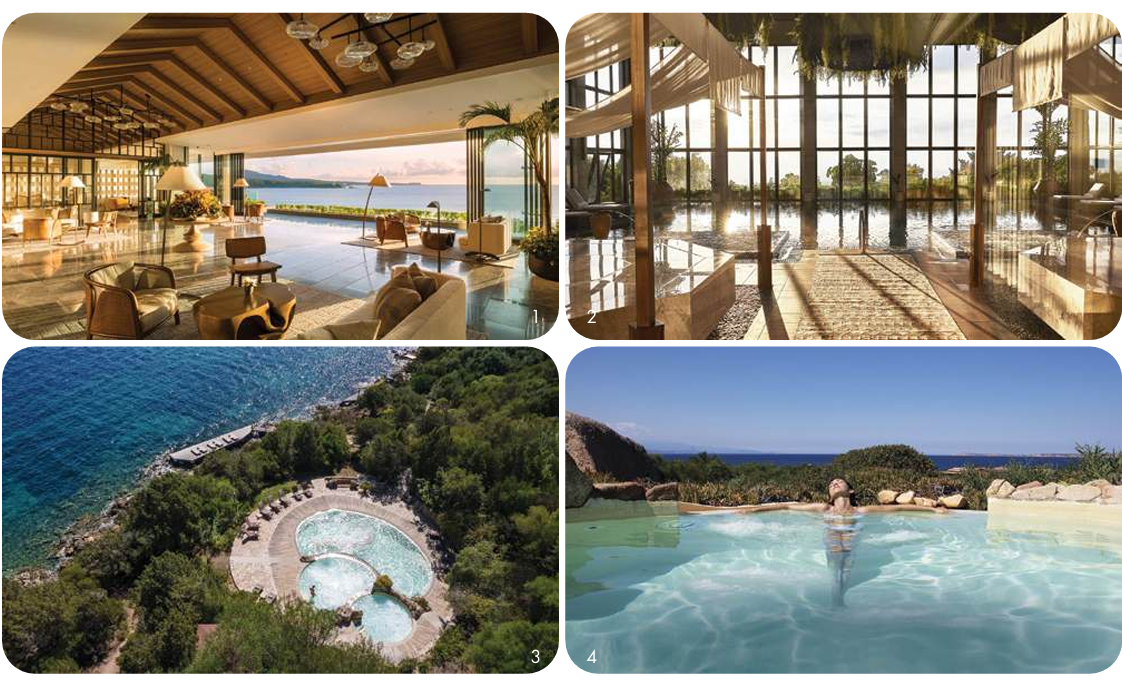
Meanwhile, along the pristine shores of Sardinia, the resorts under the 4 Delphina Hotels & Resorts system choose to awaken life energy through pure thalassotherapy. By directly channeling seawater from the open ocean into therapeutic pools without chemical treatment, the flow of the ocean helps guests rediscover absolute balance between body and mind amidst the soothing embrace of natural minerals.
It is evident that such models fully harness the “healing energy” of longevity regions as a testament to premium wellness solutions, while also illustrating the ambitious shift in the luxury tourism industry as it seeks to redefine the science of longevity through the lens of core technology, and hospitality. The boundary between pure leisure and specialized therapy is gradually blurring, creating a perfect healing ecosystem where guests can reset their daily biological rhythms and awaken their innate youthful energy.
1. The five-star Halekulani Resort in Okinawa
2. The Hacienda AltaGracia Resort in Costa Rica
3,4. The Delphina Hotels & Resorts chain in Sardinia
Bao Ngoc