







The Vietnam Carbon Exchange is laying the groundwork for an entirely new financial architecture
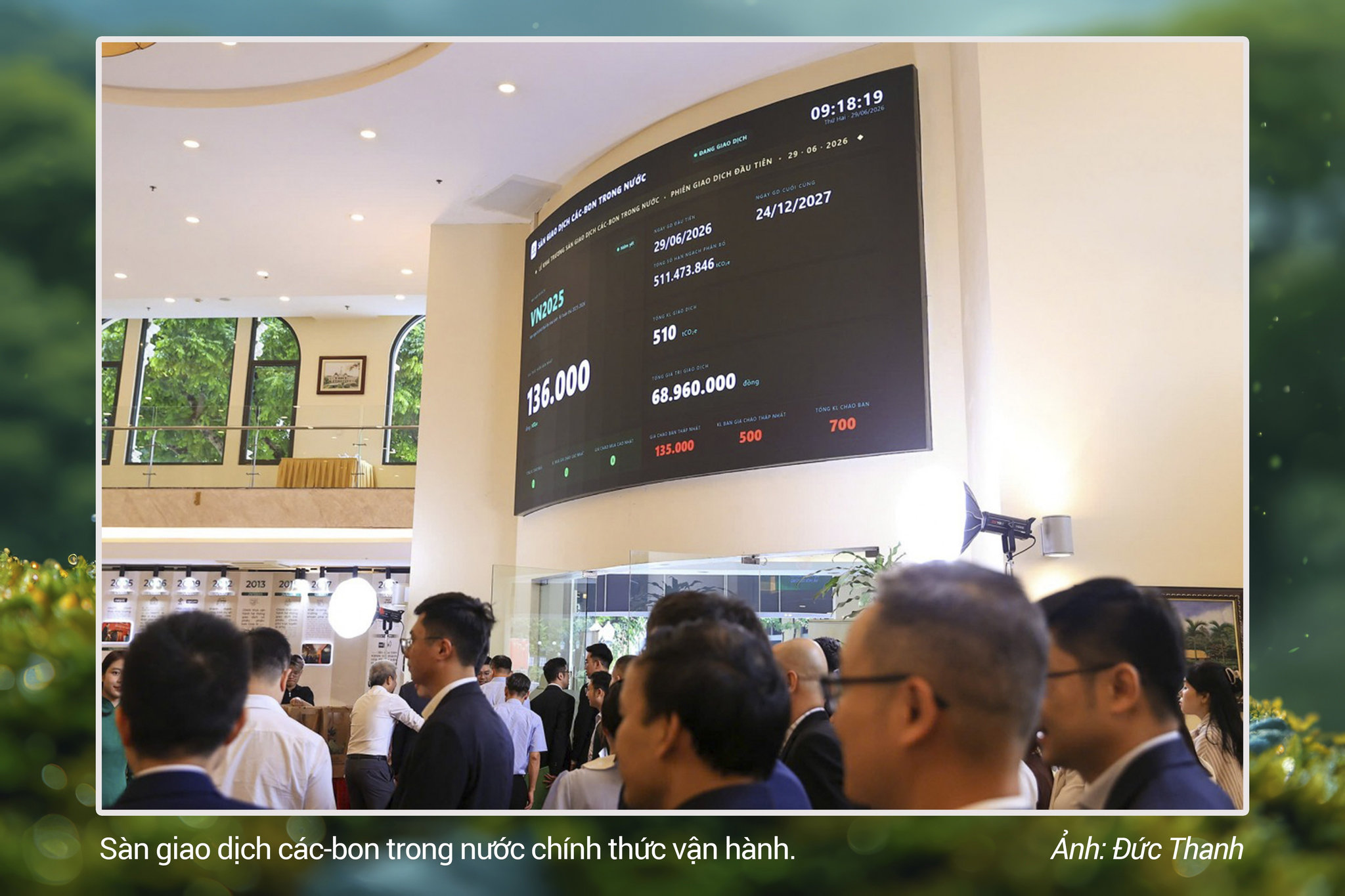
BIDV is honored to have been a partner from the very beginning as the carbon exchange’s settlement bank. For us, this is not merely a compliance obligation—it is a strategic position within the national green finance ecosystem that BIDV has been preparing for over many years. The path to achieving Net Zero by 2050 is still long, but June 29, 2026, will be remembered as the day Vietnam demonstrated that its climate commitments are not just declarations, but actions that can be measured in tangible financial terms.

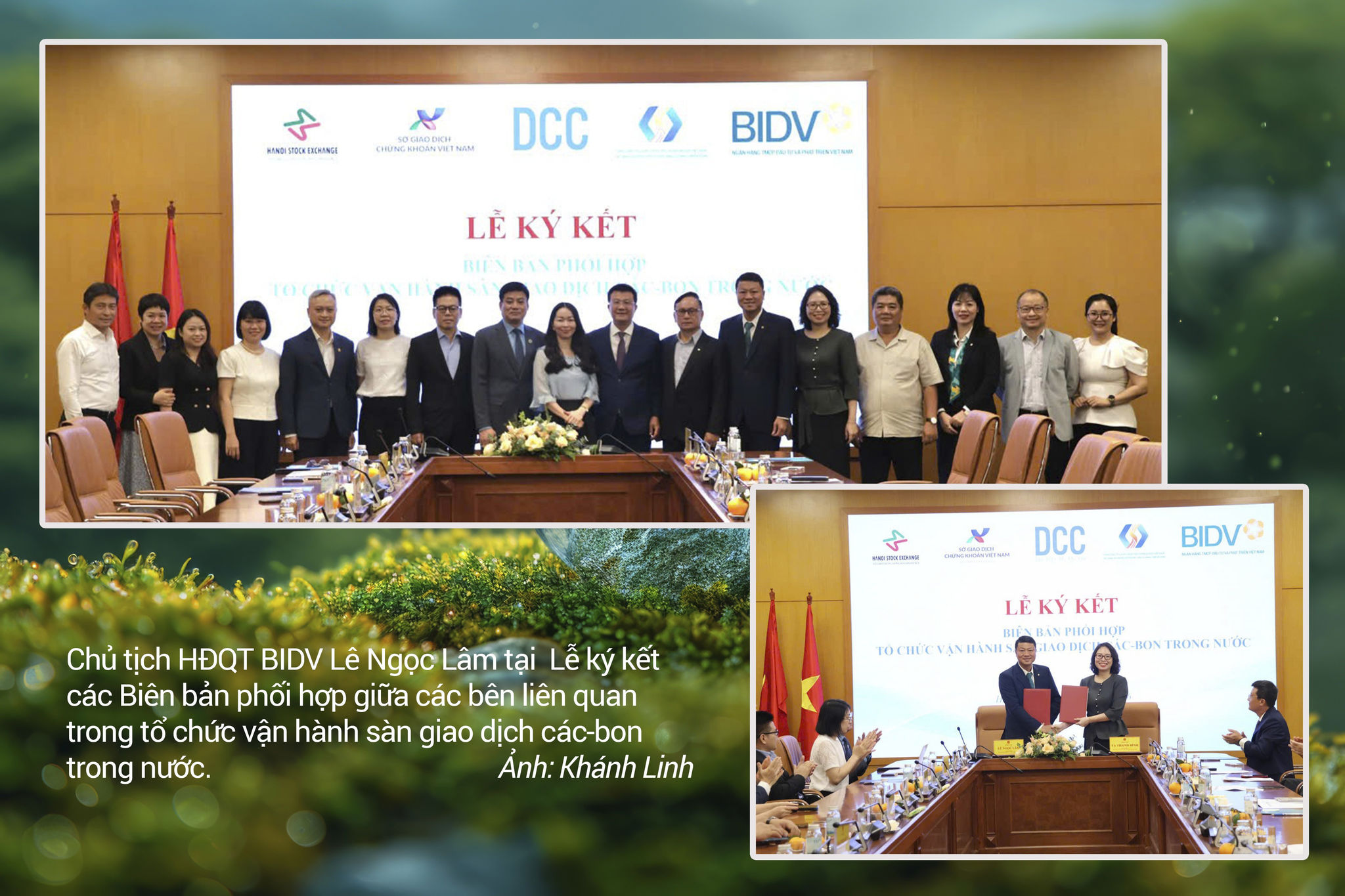
This is a statement by Mr. Le Ngoc Lam—Chairman of the Board of Directors of the Joint Stock Commercial Bank for Investment and Development of Vietnam (BIDV)—on the significance of Vietnam officially launching its carbon exchange on June 29.
.jpg)

Having accompanied the Vietnamese stock market since its very inception, BIDV now has nearly 26 years of experience serving as the settlement bank for the spot market, ensuring safe and seamless settlements for over 6,000 trading sessions, with an average annual settlement volume of approximately 1.5–2 million billion dong. In addition, BIDV is a reputable custodian and supervisory bank, while also providing comprehensive banking services to market participants.
Over the past period, BIDV’s capabilities, reputation, and service quality have been recognized and highly regarded by the Ministry of Finance, the State Securities Commission (SSC), the stock exchanges, the Vietnam Securities Depository and Clearing Corporation (VSDC), and the investor community.
Guided by the principle of partnering with the market and regulatory authorities, BIDV has, from the very beginning, actively coordinated with the Ministry of Agriculture and Environment, the Ministry of Finance, the SSC, VSDC, and the stock exchanges to study operational models for a carbon exchange. BIDV was also the first bank to sign a Memorandum of Understanding (MOU) with the Ministry of Natural Resources and Environment (now the Ministry of Agriculture and Environment) in 2022 to promote the development of sustainable green finance, protecting the environment, and addressing climate change. Since then, we have worked closely with regulatory agencies to finalize the development and testing of the payment system for the carbon exchange in May 2026.
As Vietnam’s largest bank, the majority of enterprises allocated quotas under Decision 699/QĐ-BNNMT of the Ministry of Agriculture and Environment are currently BIDV customers. Therefore, BIDV has proactively coordinated with consulting firms to provide training and support to businesses in their emissions inventory activities. It has provided guidance and facilitated the process for businesses to open custody accounts, conduct transactions at securities firms, and execute buy/sell operations on the exchange.
We expect the scale and liquidity of the carbon market to continue growing and developing in depth. Market participants will not be limited to mandatory pilot enterprises but will expand to attract additional financial investors and green development funds to participate voluntarily. Stable and gradually rising prices for carbon allowances and credits will create incentives for accumulation and trading, rather than merely purchasing for compliance purposes. Step by step, in collaboration with regulatory authorities, we will work toward connecting the Vietnamese market with international markets during the exchange’s official operational phase.
Along with this, we also expect the carbon market to soon become vibrant, enabling the expansion of services such as: Carbon Financing, Carbon Repo Financing, Carbon Credit Tokenization, Carbon-backed Lending, and Carbon Advisory Services… as well as many other attractive “green” financial products for the market.
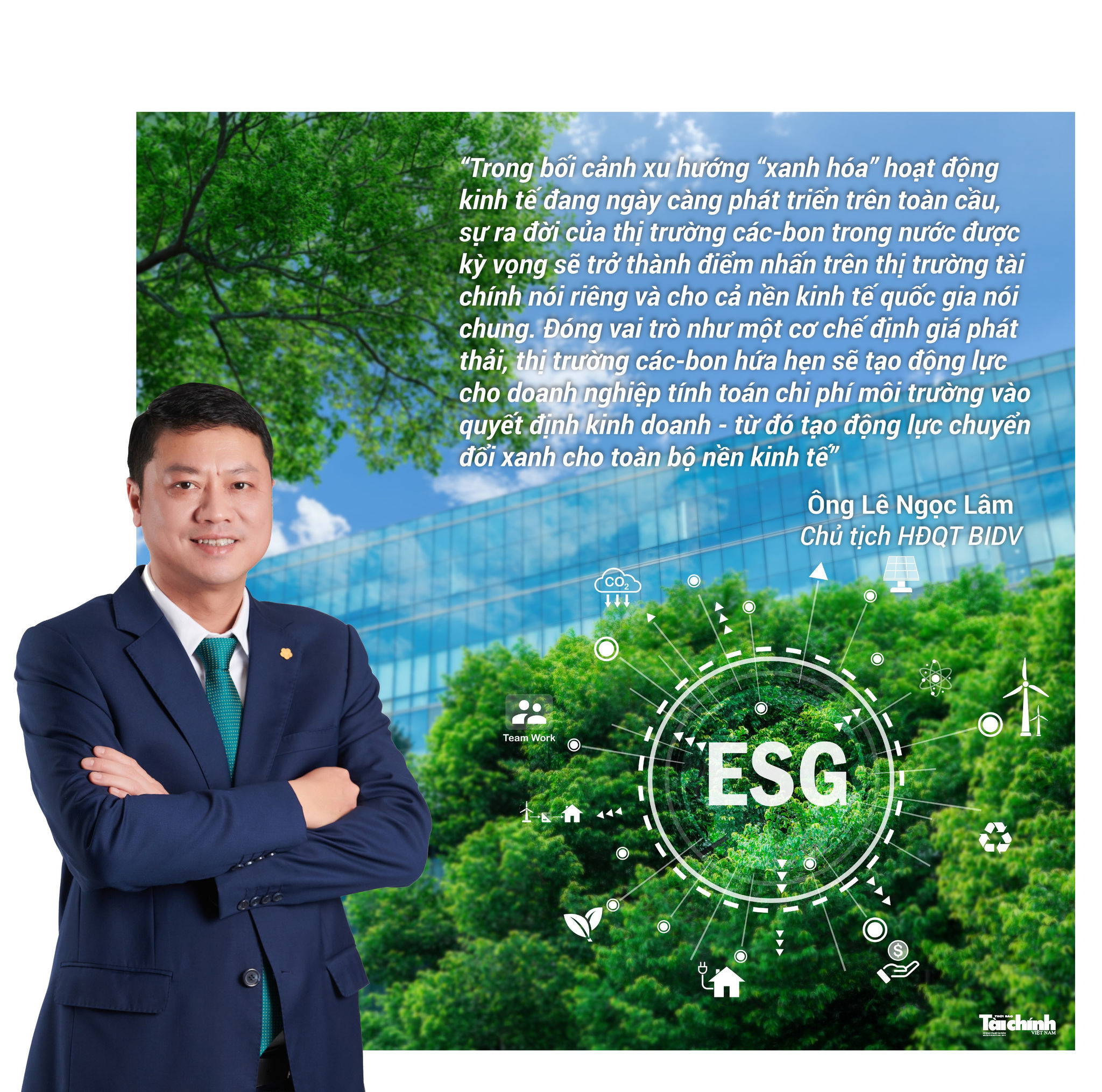

From a long-term perspective, Vietnam has not merely launched a simple exchange—we are laying the foundation for an entirely new financial architecture, placing the climate challenge at the center of the economy. Let’s look at the numbers: to achieve Net Zero by 2050, according to KPMG’s estimates, Vietnam needs to secure approximately $368 billion in climate investment between now and 2040—equivalent to 6.8% of GDP annually. This massive investment requires close coordination between the state budget and private capital. Therefore, the question is not “do we need a carbon market?” but “how can we operate it most effectively?”
For the economy as a whole, the emissions trading mechanism achieves what administrative regulations cannot: it transforms emissions reduction targets into concrete financial incentives that drive the development of low-emission technologies, thereby helping to enhance the competitiveness of Vietnamese businesses. Businesses that exceed their emission allowances must purchase additional emission permits; businesses that invest in green technology have products to sell. This is market-driven momentum—stronger than any policy. In the current pilot phase, 110 enterprises in the thermal power, iron and steel, and cement sectors—the largest sources of emissions—have joined the program. This is a step in the right direction.
Regarding the capital market, I see at least three structural shifts. First, carbon credits are a new type of financial asset—one that can be priced, traded, and eventually used as collateral—significantly expanding the range of instruments available in Vietnam’s capital market. Second, as the carbon market operates transparently, we will enhance our image with international institutional investors who prioritize ESG criteria as a prerequisite for capital allocation—particularly important given Vietnam’s upgrade to FTSE Russell’s Secondary Emerging Market category. Third, for many countries, the carbon market serves as a “green passport” to access international capital and avoid border carbon taxes (such as the EU’s CBAM) imposed by major markets like the EU. Consequently, the banking system will gain a stronger foundation to access low-interest green capital from the ADB, IFC, and WB—sources that prioritize funding for regions with robust carbon governance infrastructure.
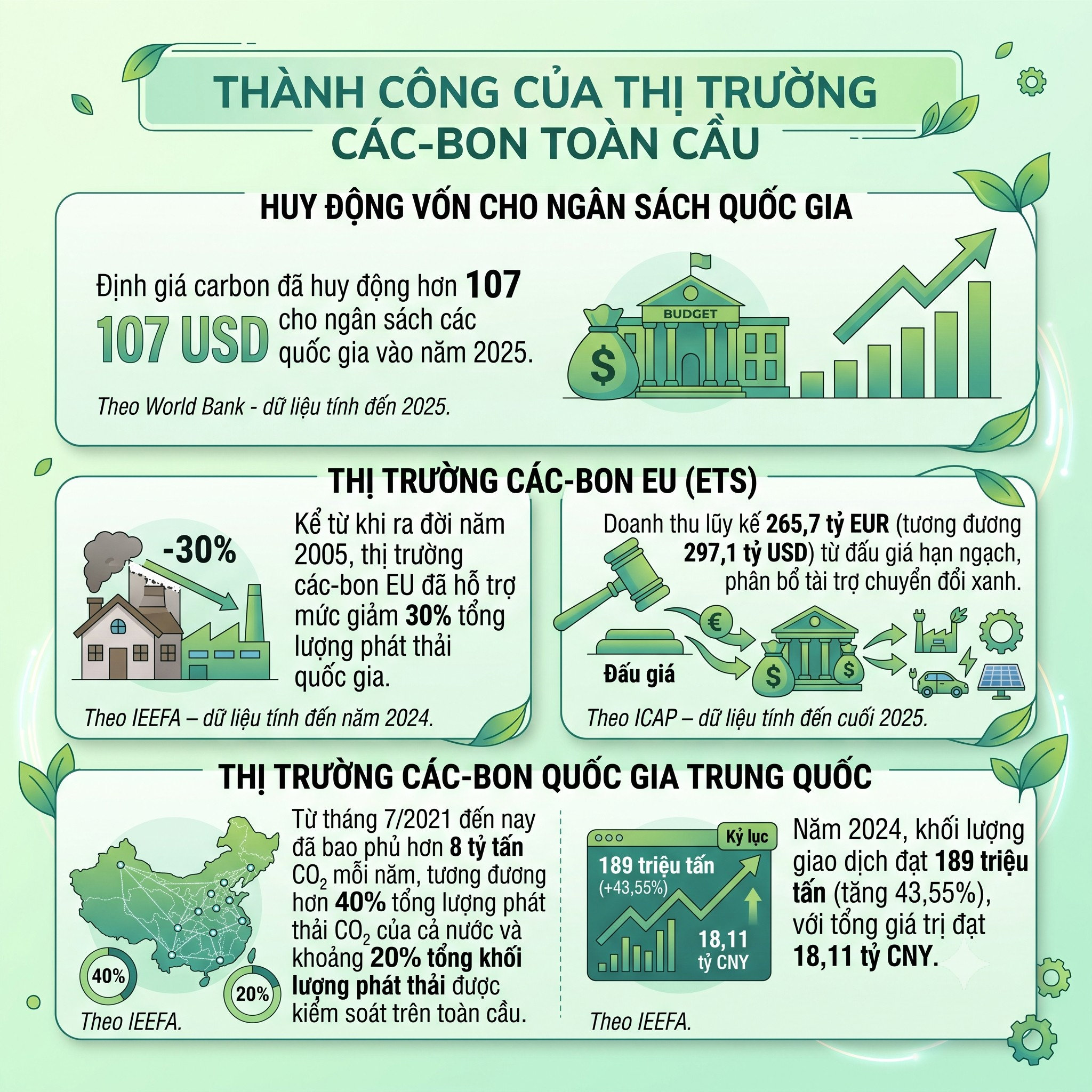
According to a 2025 World Bank report, carbon pricing has mobilized more than $107 billion for national budgets by 2025. In the carbon credit market, the total volume of carbon credits issued increased by 8% from 2024 to 2025. Currently, nearly 30% of global greenhouse gas emissions are covered by direct carbon pricing through 87 implemented policies. These figures hold immense significance—both environmentally and financially—for all economies worldwide.
BIDV is honored to have been a partner from the very beginning as the settlement bank for the carbon exchange. For us, this is not merely a compliance obligation—it is a strategic position within the national green finance ecosystem that BIDV has been preparing for over many years. The road to 2050 is still long, but June 29, 2026, will be remembered as the day Vietnam demonstrated that its climate commitments are not just words, but actions that can be measured in tangible financial terms.

BIDV is proud to be a pioneer in the market in developing its Sustainable Development and ESG Strategy for the 2026–2030 period (the ESG Strategy) as a core focus of its long-term development strategy. BIDV aims to become the leading bank in Vietnam’s market for green and sustainable development and ESG practices, making a positive contribution to the country’s economic and social development and environmental protection.
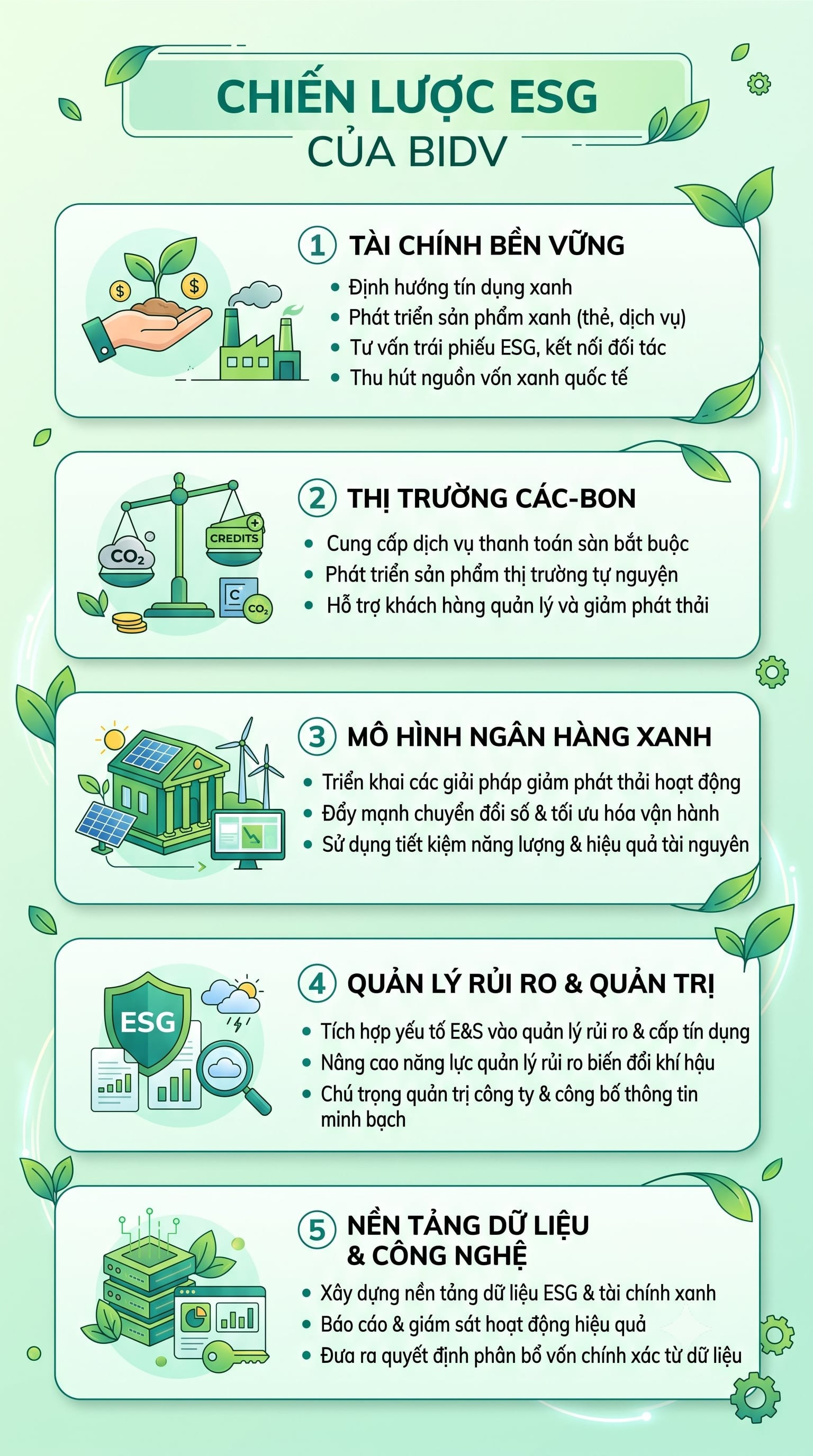
BIDV’s ESG Strategy is comprehensively implemented across all three pillars—Environmental, Social, and Governance—with a system of comprehensive goals and solutions to integrate ESG into business operations. Among these, the following are key solutions:
First, regarding sustainable finance, BIDV proactively directs credit flows toward green and sustainable sectors, taking the lead in supporting customers through the green transition by: (i) continuing to refine the framework of standards and policies for sustainable finance; (ii) developing products such as green loans, cards, and banking services that incorporate environmental and social factors; (iii) advising clients on issuing ESG bonds and connecting them with third parties to support their transition; (iv) actively attracting green deposits, issuing ESG bonds, and securing capital from international funds, institutions, and organizations to supplement long-term resources for sustainable finance…
Second, regarding the carbon market, in addition to providing payment services on the mandatory carbon exchange, in the coming period, BIDV will continue to study legal regulations and market practices to develop products and services and implement appropriate business activities in the voluntary carbon market. BIDV views the carbon market not only as a new service market but also as an integral part of the ecosystem supporting customers in measuring, managing, and reducing emissions.
Third, BIDV aims to build a green banking model directly into its operations by implementing comprehensive solutions to reduce operational emissions; accelerating digital transformation and optimizing operations; and using energy and labor resources efficiently and sparingly across the entire system. This approach not only reduces environmental impact but also boosts productivity, cuts costs, and enhances the customer experience.
Fourth, BIDV continues to integrate environmental and social factors into its overall risk management and credit granting activities, gradually enhancing its capacity to identify, measure, and manage risks related to climate change and its customers’ transition processes. At the same time, the bank continues to prioritize corporate governance and transparent disclosure in accordance with international best practices.
Fifth, BIDV is accelerating the development of data and technology platforms for internal management, reporting, and monitoring of green finance and ESG activities. Comprehensive data serves as the foundation for BIDV to accurately measure results and make more effective capital allocation decisions.
At the same time, sustainable development at BIDV is not only focused on the environment but also aims to create long-term value for people and society by enhancing the customer experience, fostering a happy work environment, ensuring employee rights, and making meaningful contributions to the community.


This is a very important question because any corporate strategy ultimately aims to create sustainable value for shareholders. For BIDV, green development is not a choice between social responsibility and business efficiency, but rather a way for the bank to grow more effectively, safely, and sustainably in the long term.
First and foremost, we are committed to implementing “green banking” at BIDV in a comprehensive manner, holistically, across all core business activities—not limited to the environmental (E) aspect but also emphasizing social (S) and governance (G) factors to deliver the best benefits and value to all stakeholders, including shareholders.
From a governance perspective, ESG helps BIDV continue to refine its governance model in line with international standards, enhance transparency, strengthen risk management, and improve operational efficiency. These factors directly contribute to protecting shareholders’ interests, improving operational quality, and strengthening market confidence in BIDV.
More importantly, we believe that sustainable development today is no longer merely a matter of corporate social responsibility but has become an essential requirement of the development process. The traditional growth model is revealing many limitations; climate change has become a direct economic risk; and the demands of regulators, customers, and investors are also changing rapidly. In this context, the ability to integrate ESG factors is increasingly becoming a decisive factor in the competitiveness, adaptability, and long-term growth prospects of financial institutions. Therefore, green development is the path for BIDV to achieve more sustainable growth, enhance its resilience against risks, and create stable, long-term value for shareholders.
In addition, global investment trends are also undergoing significant changes. An increasing number of investors—particularly investment funds and international financial institutions—view ESG as a key criterion when evaluating companies and making investment decisions. BIDV’s proactive implementation of its Sustainable Development Strategy and early adoption of ESG practices not only help enhance the bank’s reputation, standing, and brand in the market but also expand opportunities to access high-quality capital and attract more long-term investors in the future. This also represents a tangible benefit for BIDV’s shareholders.
We believe that the effectiveness and benefits of the “Green” strategy are not measured solely by results over a few years, but by its ability to help BIDV maintain sustainable growth, enhance corporate value, and create long-term benefits for the State, shareholders, customers, employees, and the community. This is also the goal that BIDV steadfastly pursues in its strategy to become the region’s leading “LARGE – STRONG – GREEN” financial and banking group.
.jpg)