







The Vietnamese Currency: A Proud History and a Mission to Build the Nation
Banknotes are not only a familiar means of payment in daily life but also a clear testament to the nation’s development through each era
As we approach the 75th anniversary of the establishment of the State Bank of Vietnam (May 6, 1951 – May 6, 2026), we invite our readers to look back on the proud historical journey of the Vietnamese currency—from its humble beginnings to the modern era of integration.
From the “Thái Bình” Coin to the Aspiration for Independence
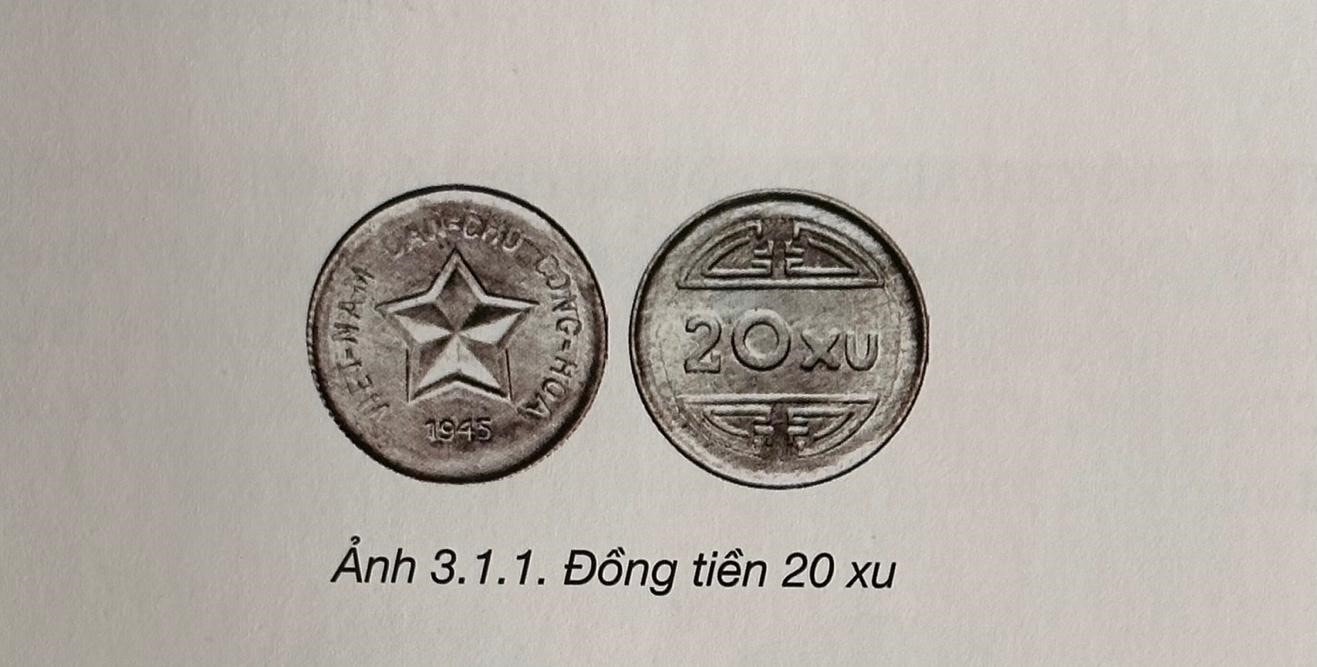
Tracing back over 1,000 years, the “Thái Bình hưng bảo” coin of the Đinh Dynasty laid the first foundation stone for Vietnam’s independent financial system. Through the Ly, Tran, Le, and Nguyen dynasties, the monetary system became increasingly sophisticated. But it wasn’t until the landmark year of 1945 that a completely new chapter truly began: the era of an independent currency, closely tied to the birth of the Democratic Republic of Vietnam.
.jpg)
In the early days following the August Revolution, the fledgling government faced the "enemies of hunger, ignorance, and foreign aggression." With an empty treasury, the people’s hearts became the nation’s “treasury.” The “Golden Week” and the “Independence Fund” mobilized 370 kilograms of gold and 20 million Indochinese piastres, providing vital resources to safeguard the revolutionary gains.
.jpg)
From 1945 to 1951, the “Financial Notes” (or Central Bank Notes) issued by the Ministry of Finance were introduced, circulating across regions alongside the Central South Banknotes and the Zone 5 Bonds, becoming a sharp economic weapon in the protracted resistance war.
.jpg)
1951: A Turning Point with Decree 15/SL
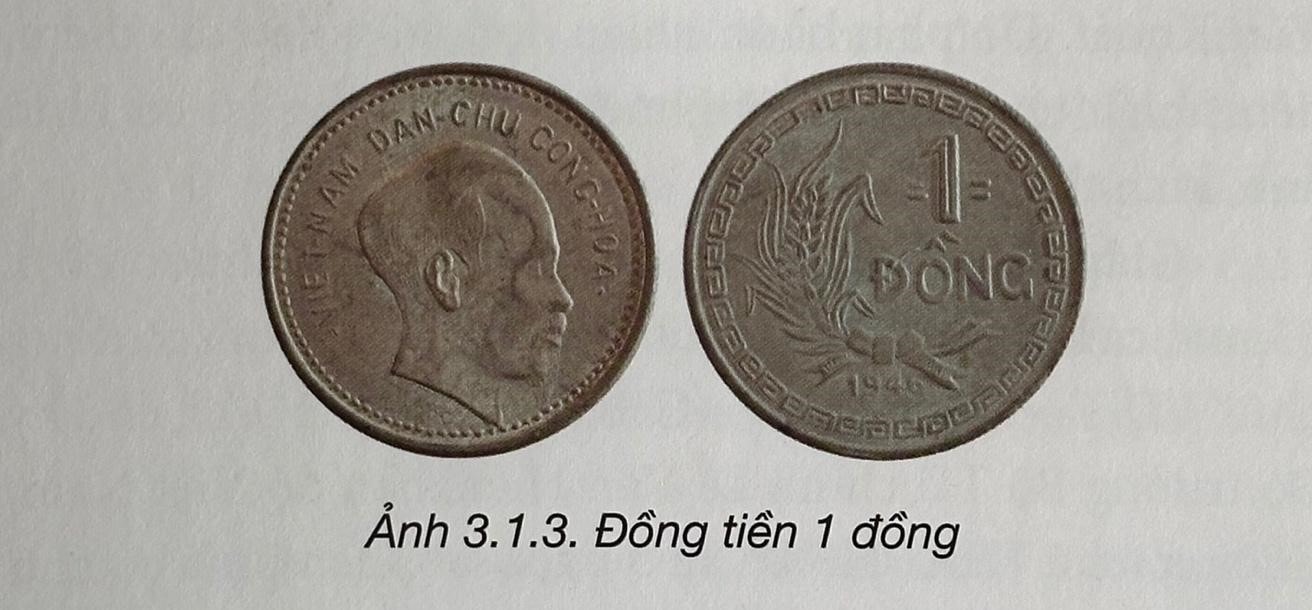
May 6, 1951, became a shining milestone when President Ho Chi Minh signed Decree 15/SL establishing the State Bank of Vietnam, now the State Bank of Vietnam. This event marked the transfer of the currency issuance mission from the Ministry of Finance to a specialized agency, establishing an official "circulation system" for the national financial system.
.jpg)
The State Bank issued banknotes (referred to as "bank money") with the currency unit "dong" to replace financial currency. At that time, one bank note was worth 10 financial notes. By 1959, a major currency reform was carried out (1 new note exchanged for 1,000 old notes), featuring the national emblem and a portrait of President Ho Chi Minh on the new notes, affirming absolute financial sovereignty and complete independence from foreign dependence. Additionally, the State Bank supported the issuance of special vouchers for the front lines, such as the Truong Son General Store Vouchers (1966–1975) and the currency of the National Liberation Front of South Vietnam (1968).
Unifying the nation and the people through currency
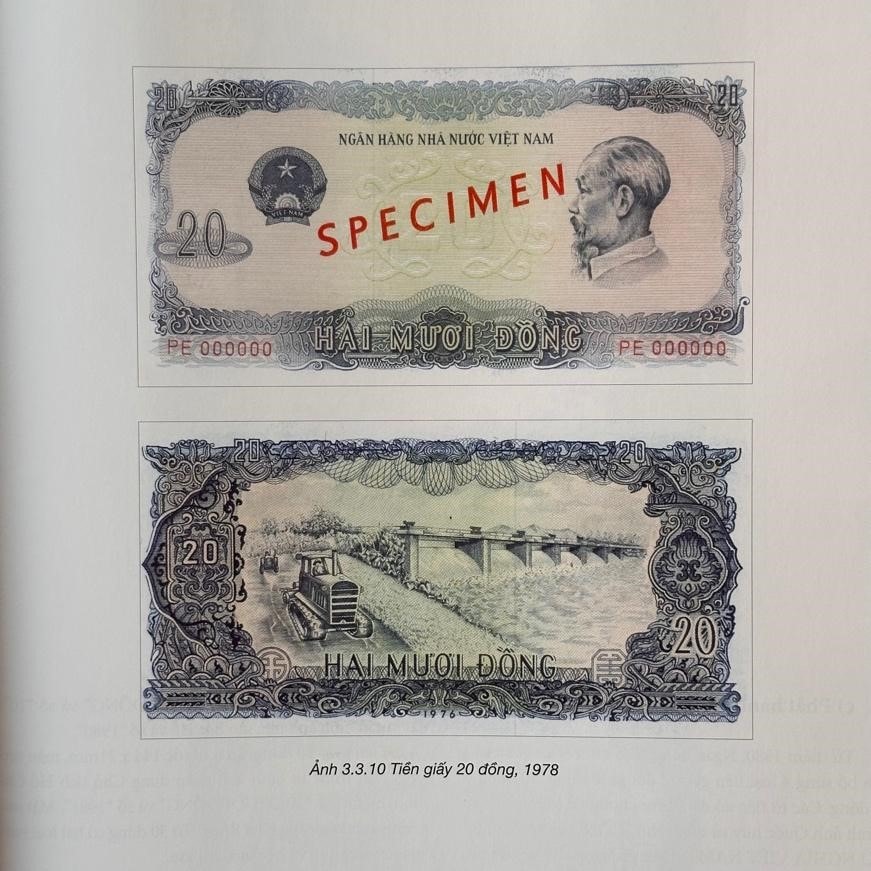
After the great victory of the Spring of 1975, the country was reunified, but the monetary system remained divided. On April 25, 1978, a historic decision was made: to unify the national currency. The 1978 currency series, featuring images of Workers, Farmers, and Soldiers, became a symbol of unity, opening a new chapter in the nationwide effort to build socialism.
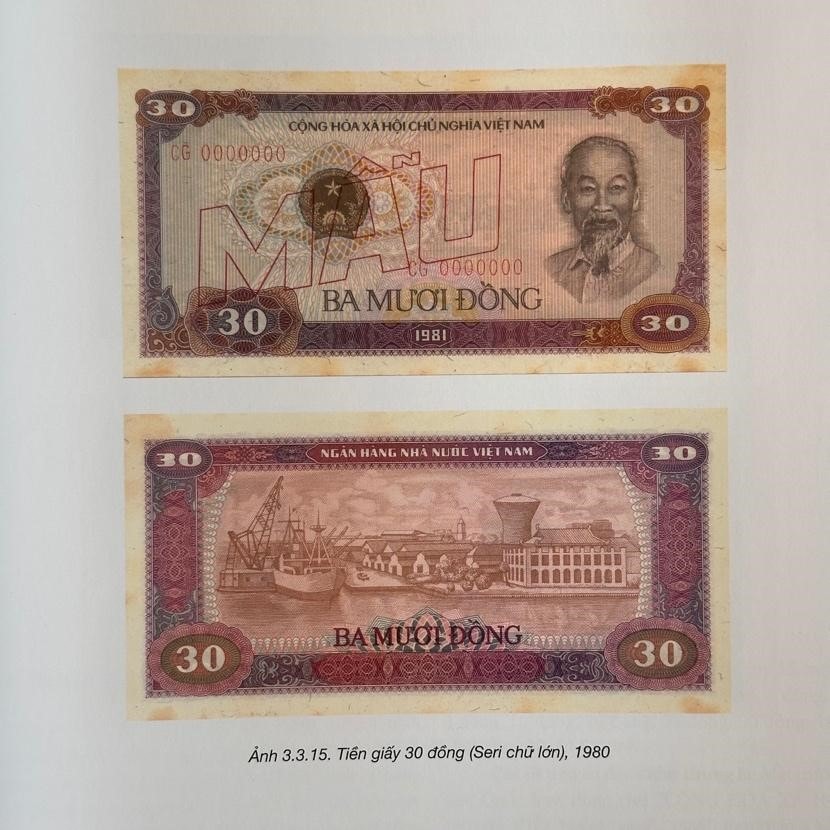
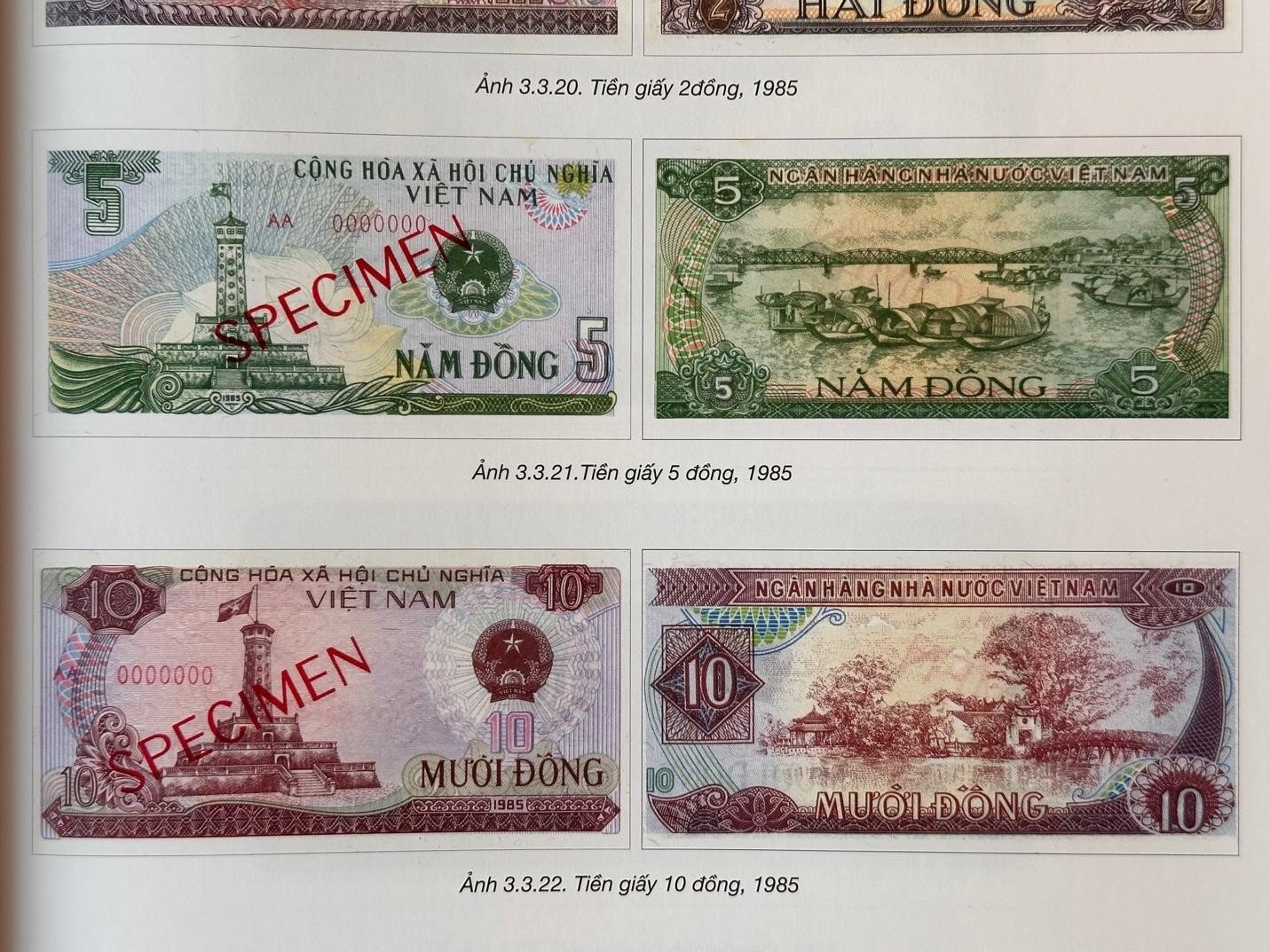
On September 13, 1985, another currency reform took place at a rate of 1 new dong to 10 old dongs. This currency reform was part of a comprehensive adjustment of prices, wages, and currency aimed at adjusting and stabilizing the purchasing power of the currency and restoring order in the distribution and circulation system.
.jpg)
The Modern Era: From Cotton Paper to Polymer Technology
The Doi Moi reforms beginning in 1986 brought a new wave of vitality. To adapt to the rapid development of the economy, the State Bank of Vietnam continuously introduced higher denominations ranging from 100 dong to 100,000 dong in the 1990s. Notably, during the 1992–2002 period, “payment notes” emerged as a flexible solution to regulate cash circulation.
The most significant milestone in modernization occurred in December 2003, when the polymer banknote system, combined with metal coins, was officially launched. With advanced anti-counterfeiting technology and high durability, this new currency system largely replaced the old cotton banknotes, becoming the stable and modern monetary system in use today.
The over 80-year journey of the independent currency stands as a testament to the resilience and aspiration of the nation. From the rudimentary paper notes in wartime zones to the sophisticated currency system of today, the State Bank of Vietnam has excelled in its role as the “lifeblood” of the economy, contributing to maintaining macroeconomic stability and Vietnam’s standing on the international stage.
As we celebrate the 75th anniversary of its establishment, we come to cherish even more the values embedded in every banknote—where history, culture, and the future converge.
.jpg)
.jpg)
.jpg)
.jpg)
.jpg)
.jpg)