






A Journey of Knowledge Across BIDV
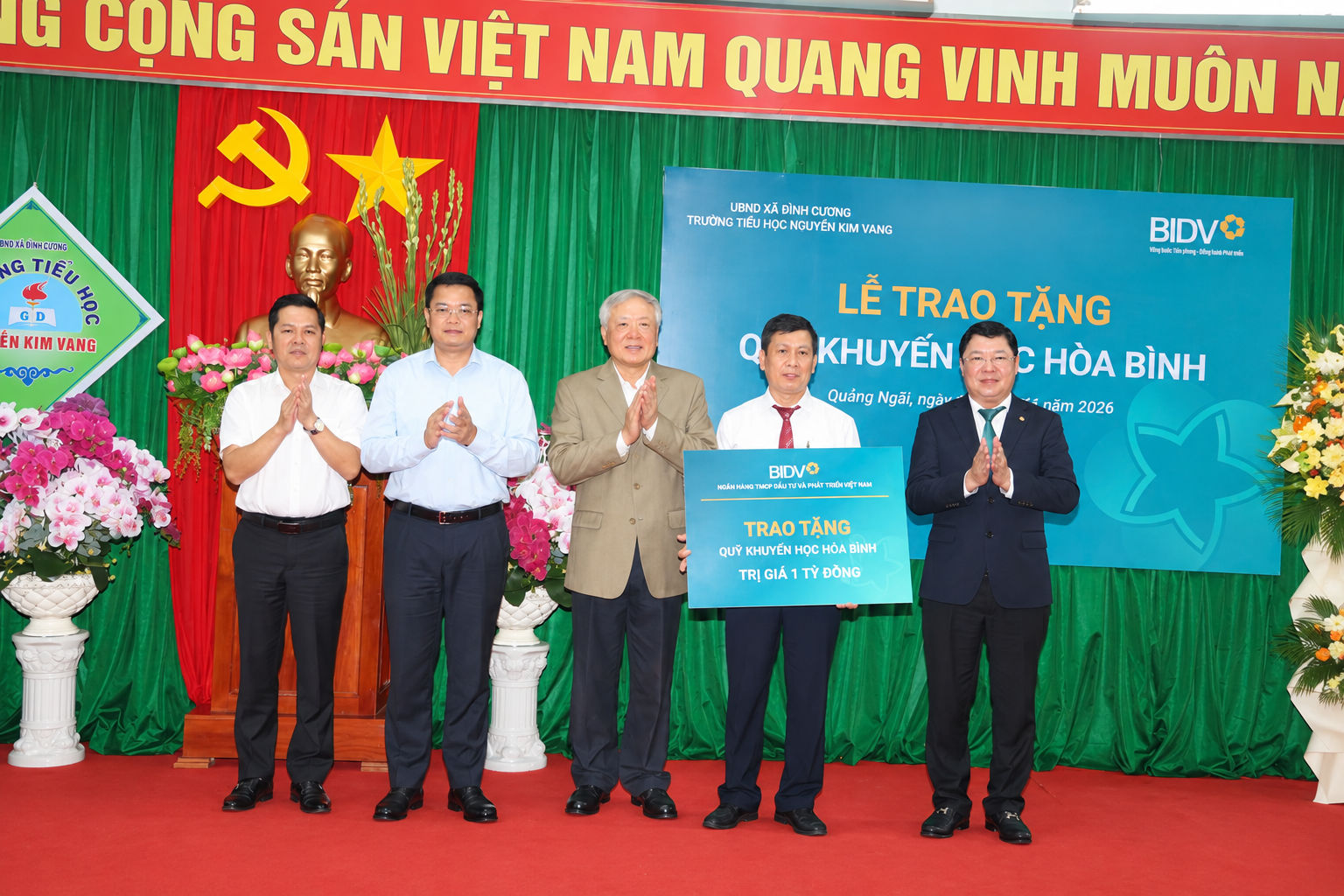
This was the second time I participated in the school donation program organized by the Retail Banking Division in mountain villages in the northern region, where ethnic minority communities live and access to education is very limited. It was a crisp spring morning in early 2026 in Ha Giang.
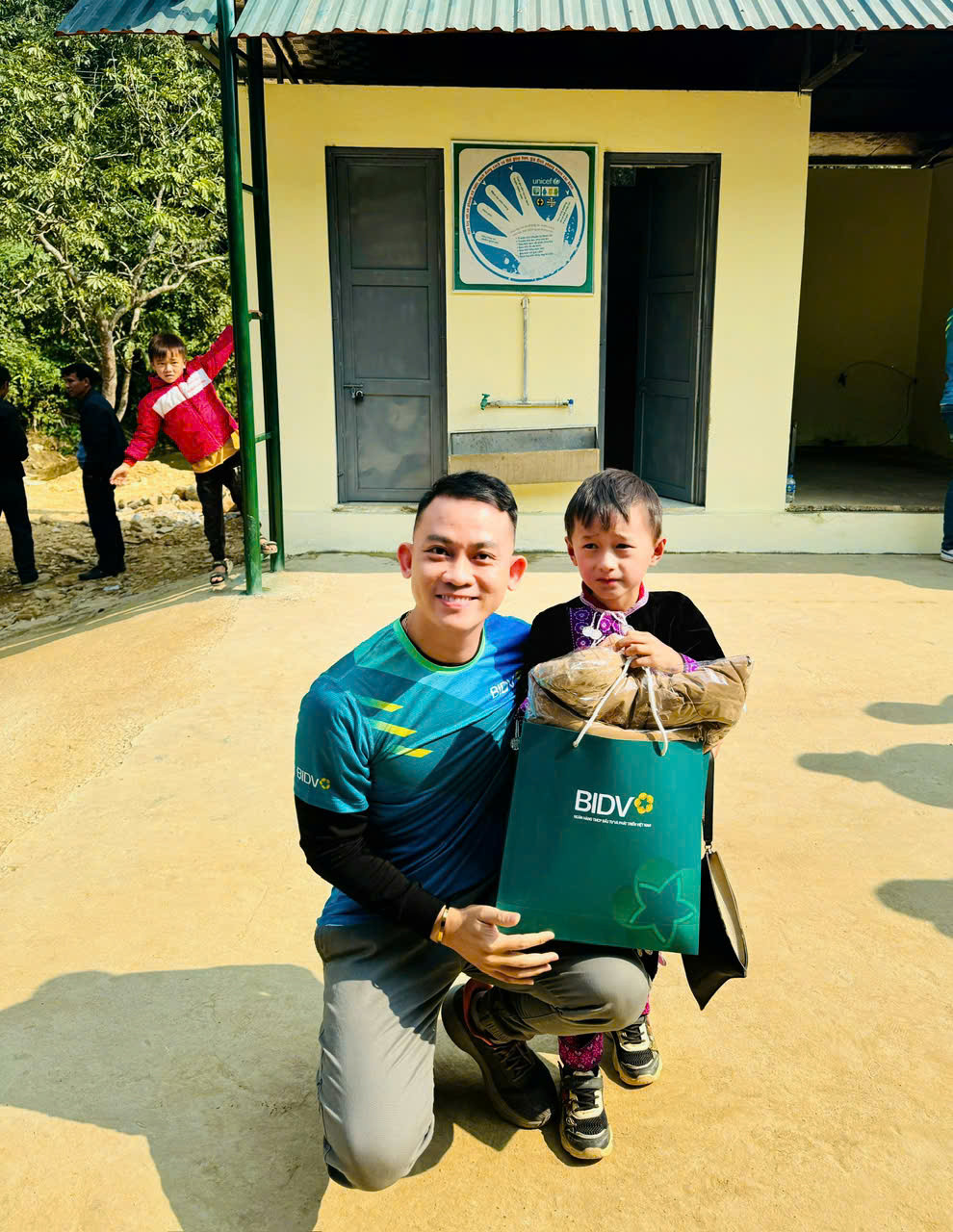
I first began to envision a journey to spread knowledge during a conversation while sitting behind a highland teacher on the winding road leading down from the boarding school to the valley.
We’ve heard many stories about how teachers in remote mountainous areas sow the seeds of knowledge. When faced with situations involving people, I always ask myself: What drives them? What drives someone to have the courage, the idealism to dedicate themselves, and the willingness to overcome adversity? In reality, not everyone starts out with the love and ambition to begin this path. The teacher who gave me a ride shared that she began her teaching journey as a professional. To secure a teaching position and advance their careers, teachers sometimes have to leave their hometowns to fulfill their duties. Back then, these teachers had nothing in their hands but a handful of seeds of knowledge. Some were fortunate—with the right timing, circumstances, and support—and those seeds sprouted, nurturing a love for teaching and fostering a deep connection. On the other hand, some of her colleagues left the profession, returned to their hometowns, or pursued other careers.
Training skills are the core of a manager’s role
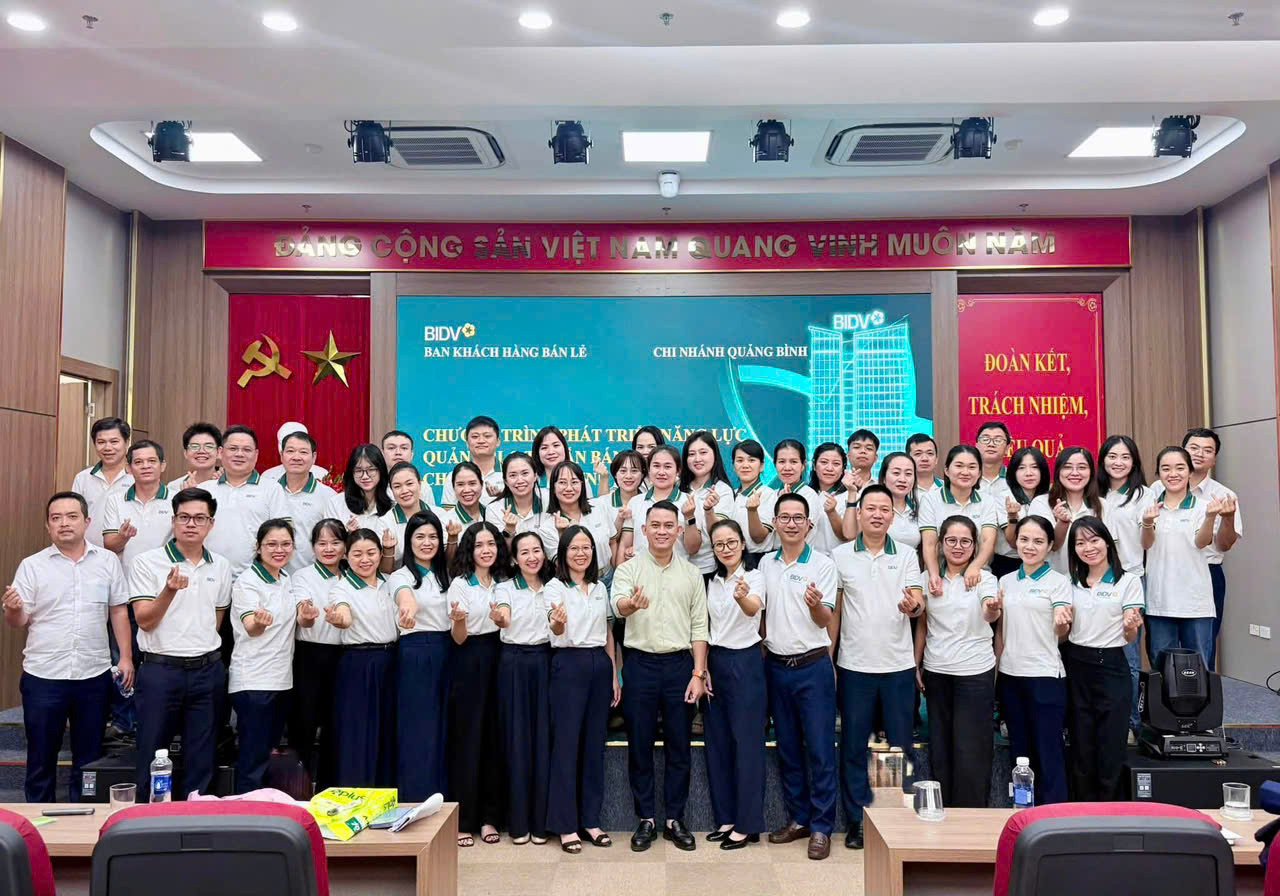
Looking back, I entered the training field at BIDV with very little initial preparation. All I had to draw upon was the training expertise I’d accumulated over the years while enhancing my management capabilities across various organizations and environments. I consider training and communication to be the core competencies of a manager. Because when a manager possesses training capabilities, it helps them carry out tasks clearly and smoothly; motivates and guides employees in their development; and builds a successor team, freeing up time to think about and accomplish bigger things. To me, that asset is like a small investment in my career journey at BIDV. Fortunately, thanks to the trust and support of the leadership team, who placed me in the right role, this investment has “paid off” year after year, bringing me many rewarding experiences while also contributing meaningfully to the organization. This is especially true during a period when thousands of BIDV employees are fully immersed in the transformation process, driving the development of a bank that is about to celebrate its 70th anniversary.
Training in the Context of Transformation
How can the system transform if each individual’s mindset, motivation, methods, and approaches remain stagnant? And how can we transform people if not through training? From the very start of the Retail Banking Transformation (RBT) Project, the leadership team identified training as a key pillar. Training goes beyond simply disseminating the model; it delves into the specifics of the work, equipping employees with the necessary skills for each group of roles undergoing transformation within the sales force.

Transformation is a long-term process that requires ongoing refinement to align with the organization’s current state and business requirements. I don’t think it’s a stretch to compare guiding this transformation to a teacher who, day in and day out, maintains classes in remote mountainous areas—ensuring her students stay in school, remain committed to their studies, and persevere toward the goal of knowledge, believing that this is the path to improving their lives in the future. Thus, the transformation process must reach every branch, and training efforts must be closely integrated with the business operations; continuous engagement is essential to ensure the transformation takes root in a practical and meaningful way. In addition, it is necessary to leverage the role of the management team at each unit, transfer knowledge, and maintain training, mentoring, and coaching activities to enhance staff capabilities over time.
Business leadership is about leading the team
I recall that Deputy General Director Lê Huy Hoàng, who also serves as Head of the Retail Banking Division, recently shared: “Business management must shift from a procedural approach to business leadership.” Personally, I strongly agree with this goal, because it’s clear that mechanisms are merely a map that’s been drawn—but if we don’t head in the right direction, understand the path correctly, and have leadership that guides us toward specific goals, the policies created may be implemented ineffectively, and the incentive mechanisms may end up being wasted. And business leadership is, in essence, leading the team.

To lead a team, you must manage it effectively; you must know: Who are they? What is their current status? What are their goals and direction? How are results managed? And, of course, training and guidance for each staff member are essential.
Sales training must go beyond mere methods; it must provide concrete guidance on how to execute tasks. To provide such concrete guidance, one must not only understand policies and mechanisms, as well as products and services, but also possess sufficient experience, market insight, and a strong team foundation.
On my journey to share my knowledge, I’ve come to realize that BIDV is home to fascinating individuals—a fact that shapes a distinct organizational culture. I continue to encourage the business teams across our units, reminding them that after many years of ups and downs—and through countless changes, from the market to the organization—they possess remarkable capabilities. I hope that these capabilities can be effectively activated and harnessed. Training is not a magic wand that can change a habit or a work method after just one day, one session, or one course. It must be a gradual process, sometimes requiring daily interaction through huddle meetings or business review sessions. This process requires the collective effort of all roles—from the Human Resources department to direct managers at Branches, Departments, and Teams, to the specialized business units and business development teams at Headquarters…
I don’t know if I’ll have the strength to visit every single branch across the entire system. At the very least, I’ve been able to visit some regions where BIDV’s “flowers” shine brightly, and I’ve had the opportunity to exchange ideas with many colleagues throughout the system. My journey to share knowledge throughout BIDV will likely continue, regardless of the context, circumstances, or methods involved. Nevertheless, this endeavor will greatly need the support of many helping hands to spread the knowledge, for knowledge is boundless.