







C10 BUREAU – MINISTRY OF PUBLIC SECURITY AND BIDV SIGN A COOPERATION AGREEMENT TO IMPLEMENT A SOLUTION FOR MANAGING PRISONERS’ CUSTODY FUNDS
A strategic first step toward a comprehensive suite of digital transformation solutions and the advancement of digitization in prison management
Hanoi, October 20, 2026 – The Department of Prison Management, Compulsory Education Facilities, and Juvenile Detention Centers (Department C10 – Ministry of Public Security) and the Joint Stock Commercial Bank for Investment and Development of Vietnam (BIDV) officially signed a cooperation agreement to implement a service for managing inmates’ escrow funds (Sub-Account).
The signing demonstrates the collaboration between Bureau C10 and BIDV in applying technological, financial, and banking solutions to the management of inmates’ escrow funds, with the aim of implementing the Party, State, and Ministry of Public Security’s policy to accelerate digital transformation.
The event demonstrates Department C10’s proactive and resolute commitment to implementing Resolution No. 57-NQ/TW dated December 22, 2024, of the Politburo on breakthroughs in the development of science, technology, innovation, and national digital transformation; while also promoting the application of information technology and effectively implementing new legal documents issued by the Ministry of Public Security, with a focus on Circular No. 88/2026/TT-BCA dated June 10, 2026, issued by the Minister of Public Security, which regulates the rules for visits, receipt of gifts, and communication by inmates. The solution is implemented in accordance with legal regulations and the nature of escrowed funds, without altering the inmates’ ownership or right to use such funds. The modernization of operational procedures helps the C10 Bureau optimize management, enhance transparency and openness, and ensure convenience and the protection of the rights of inmates and their relatives.
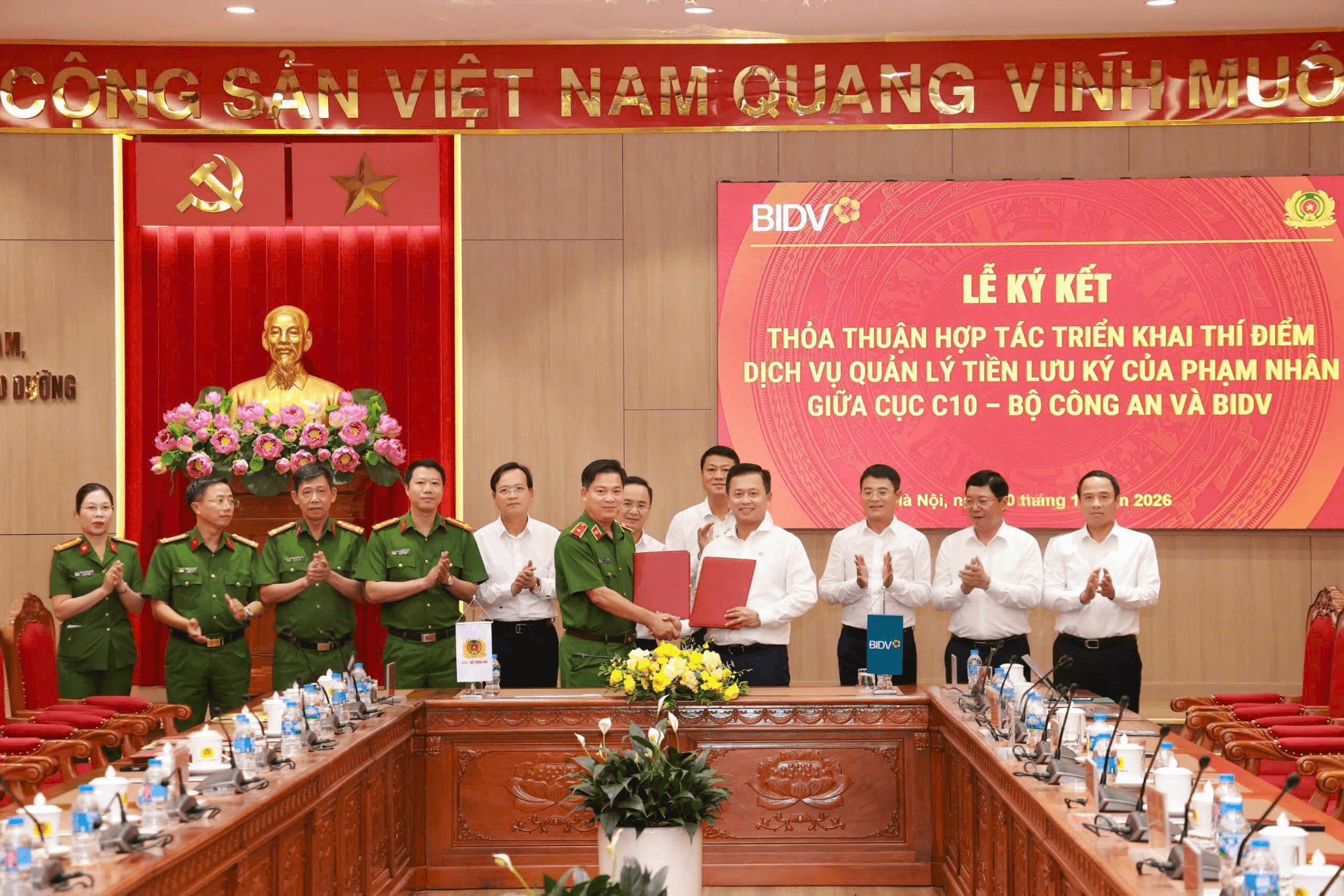
Under the cooperation agreement, BIDV will implement a specialized Sub-Account solution for detention centers, along with an automated identification account system for each inmate. Through this system, inmates’ relatives can safely and quickly send visitation funds online from any bank. Deposited funds are automatically recorded, calculated, and earn full interest on non-term deposits, while also supporting the generation of detailed, transparent reports in real time, helping to reduce manual tasks and improve financial management efficiency at these facilities.
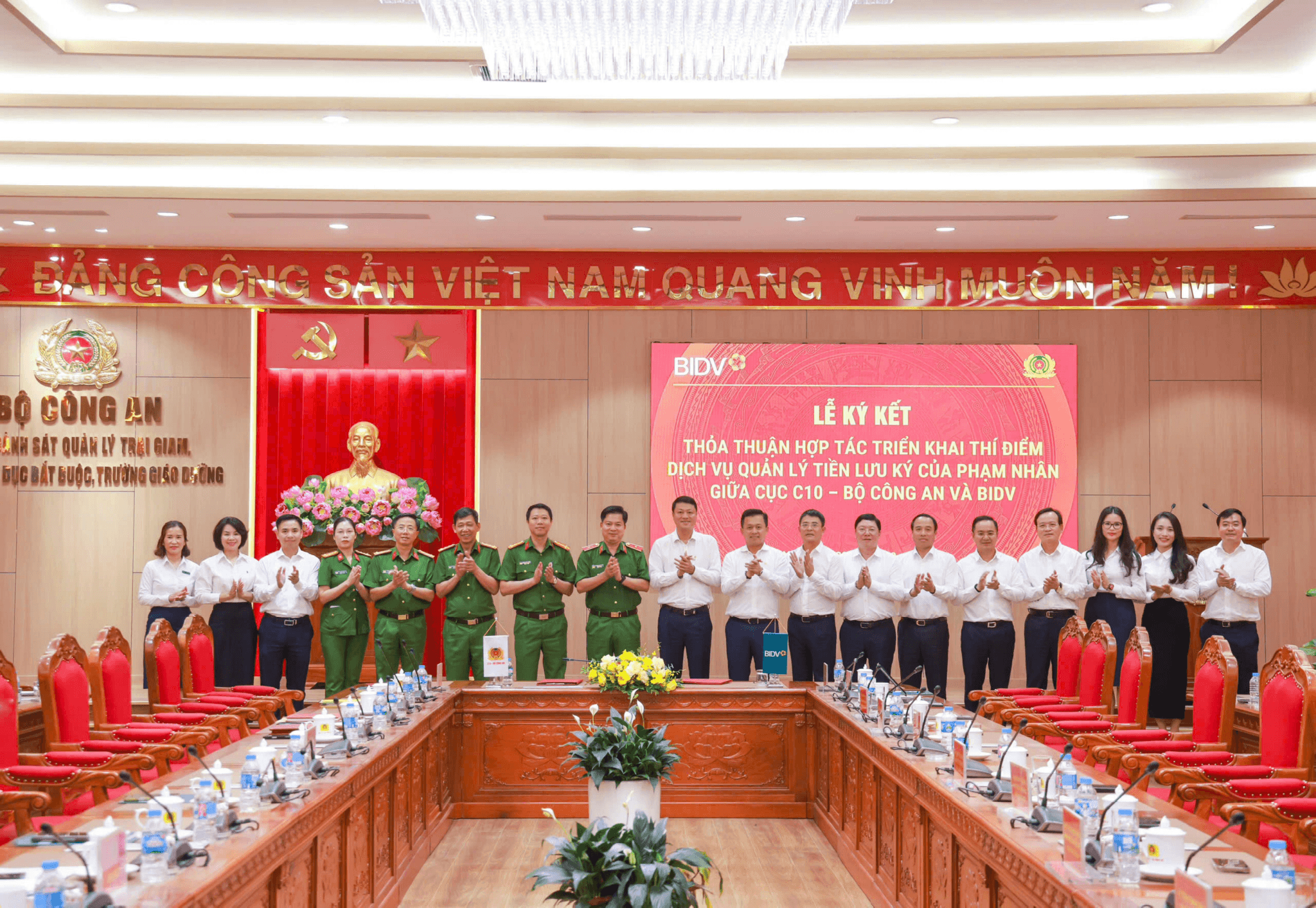
As a leading financial institution in Vietnam, BIDV is committed to taking the lead in partnering with units under the Ministry of Public Security in the national digital transformation process. Speaking at the ceremony, Mr. Le Ngoc Lam—Chairman of the BIDV Board of Directors—stated: “Today’s signing ceremony marks an important first step in the deepening cooperation between BIDV and Bureau C10. The Sub-Account solution not only comprehensively digitizes the process of receiving, managing, and reconciling funds held in trust for inmates—providing maximum convenience for the families of those serving sentences—but also lays a solid foundation for both parties to continue researching and expanding the application of modern technologies, with the goal of fully digitizing and comprehensively modernizing prison management operations in the near future.”
Brigadier General Nguyen Thanh Truong—Director of Bureau C10—emphasized: “Recognizing the urgent need for digital transformation in police work and administrative reform, the Party Committee and leadership of Department C10 have chosen to collaborate with BIDV Bank to research and develop a modern fintech solution: the use of identified sub-accounts linked to a unique QR code for each inmate.” The Director required that the implementation of the solution must comply with legal regulations and the nature of escrowed funds, without altering the inmates’ ownership or usage rights, while ensuring information security and the ability to fully audit and reconcile each transaction. He expressed confidence: “With a strong sense of responsibility, thorough preparation, and close coordination between the two agencies, this collaboration will be a resounding success and yield tangible results.”