







Solutions to Unlock Financial and Banking Resources to Support the Capital’s Economic Growth for the 2026–2030 Period
On September 12, 2026, in Hanoi, the State Bank of Vietnam (SBV) and the Hanoi City People’s Committee (HCPCC) co-hosted a conference on solutions to mobilize financial and banking resources to support the capital city’s economic growth for the 2026–2030 period. Comrade Pham Duc An—Member of the Party Central Committee, Secretary of the Party Committee, and Governor of the State Bank of Vietnam; Comrade Vu Dai Thang—Member of the Party Central Committee, Deputy Secretary of the Hanoi City Party Committee, and Chairman of the Hanoi People’s Committee; Comrade Nguyen Ngoc Canh – Deputy Governor of the State Bank of Vietnam; Comrade Nguyen Xuan Luu
The year 2026 marks the beginning of the 2026–2030 development phase and is also the year in which Hanoi will focus on implementing major strategic directions in accordance with Politburo Resolution No. 02-NQ/TW, the 2026 Capital Law, and the 100-Year Master Plan for the Capital. These are crucial foundations that will open up new development opportunities and momentum for the capital. The city has set a target of at least 11% GRDP growth in 2026, laying the groundwork for double-digit growth in the coming years. The conference titled “Solutions to Unlock Financial and Banking Resources to Support the Capital’s Economic Growth for the 2026–2030 Period” took place at a time of great significance for the Capital, serving as an opportunity for the city, along with regulatory agencies, financial institutions, associations, businesses, and investors to exchange ideas and directly hear feedback from the field; thereby clearly identifying capital needs, difficulties, obstacles, and bottlenecks in mobilizing and accessing financial and banking resources, and subsequently proposing effective solutions to contribute to the capital’s growth and development goals in this new phase.
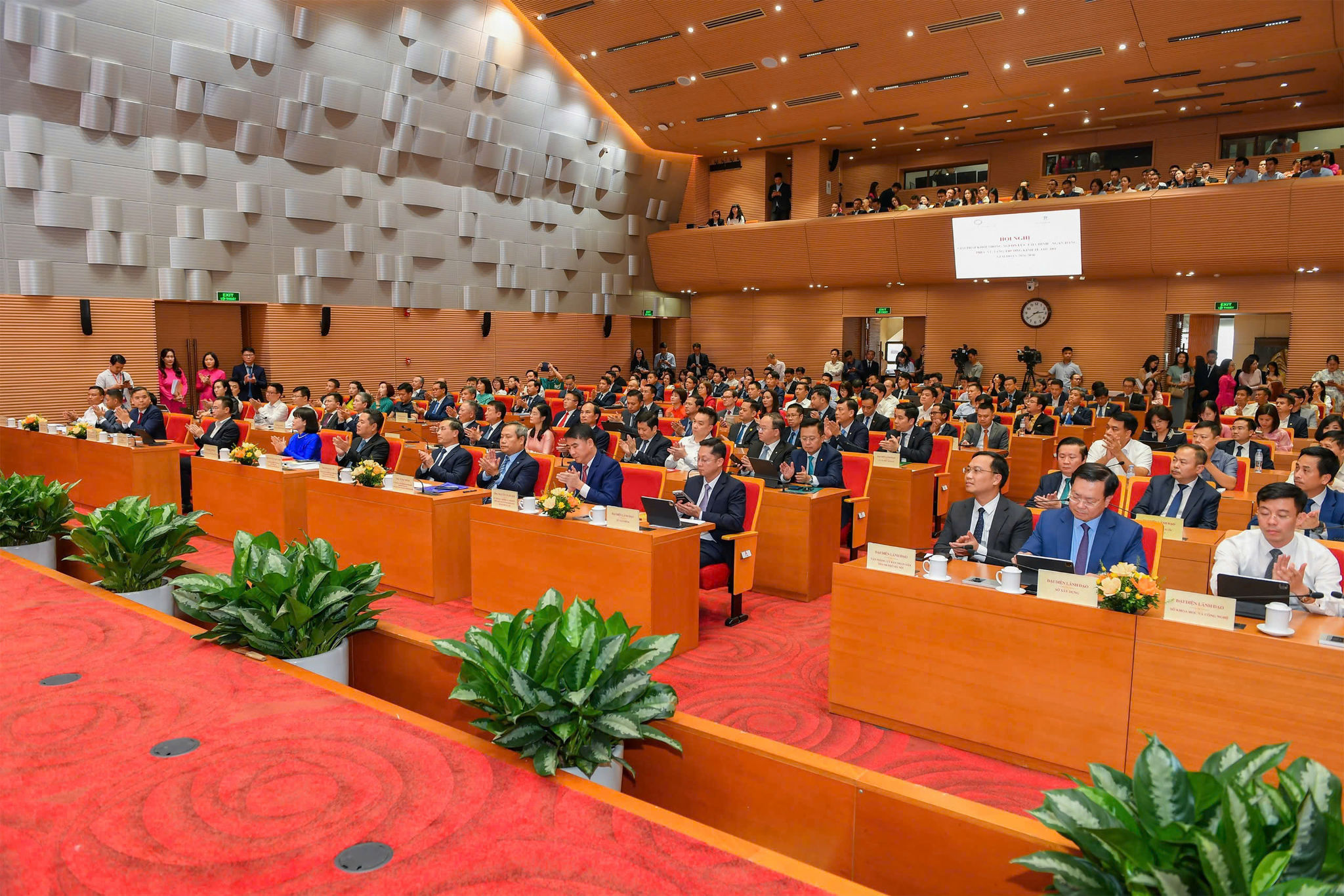
According to the report presented at the conference, in the first eight months of the year, Hanoi’s socio-economic sector continued to maintain a positive growth momentum. State budget revenue remained a bright spot, with total state budget revenue in the city reaching VND 529.377 trillion, equivalent to 81.4% of the budget estimate, an increase of 10.6%; Public investment disbursement reached VND 92.592 trillion, equivalent to 77.17% of the plan assigned by the Prime Minister; FDI attraction reached approximately USD 3.752 trillion, equivalent to 83.05% of the annual target and ranking third nationwide. These results continue to strengthen resources and lay the foundation for the city to accelerate its growth in the final months of the year.
However, Hanoi’s growth targets for the remainder of the year are very high. GRDP for the first six months increased by 8.22%; according to the management scenario, the second half of the year must see growth of 13.44%, with the third quarter growing by 12.54% and the fourth quarter by 14.26%. This requires the City to significantly accelerate its efforts, mobilize and rapidly channel resources into investment, production, and business operations, thereby creating additional capacity and momentum for economic growth. In this context, financial resources are of particular importance and serve as a key condition for implementing the City’s major projects. Along with continuing to leverage the leading role of public investment, it is necessary to effectively mobilize non-budgetary resources, particularly credit capital and resources from the business sector. The requirement here is not merely to expand the scale of capital but, more importantly, to enhance the alignment between capital sources and viable, effective projects that have sound financial plans and appropriate repayment capabilities.
In terms of the banking sector’s operations—with 165 credit institutions and over 2,000 transaction points—Hanoi is one of the country’s leading financial and banking hubs, accounting for more than 37% of total capital mobilization and approximately 31% of the economy’s total outstanding loans. The banking system’s operations in the city during the first eight months of the year achieved many positive results; with the outstanding credit balance in the city increasing by 13.05%, exceeding the overall growth rate of the entire system, thereby making a significant contribution to meeting the capital needs for local economic and social development in accordance with the policies and directives of the Government, the Prime Minister, the State Bank of Vietnam, and the Hanoi City Party Committee and People’s Committee.
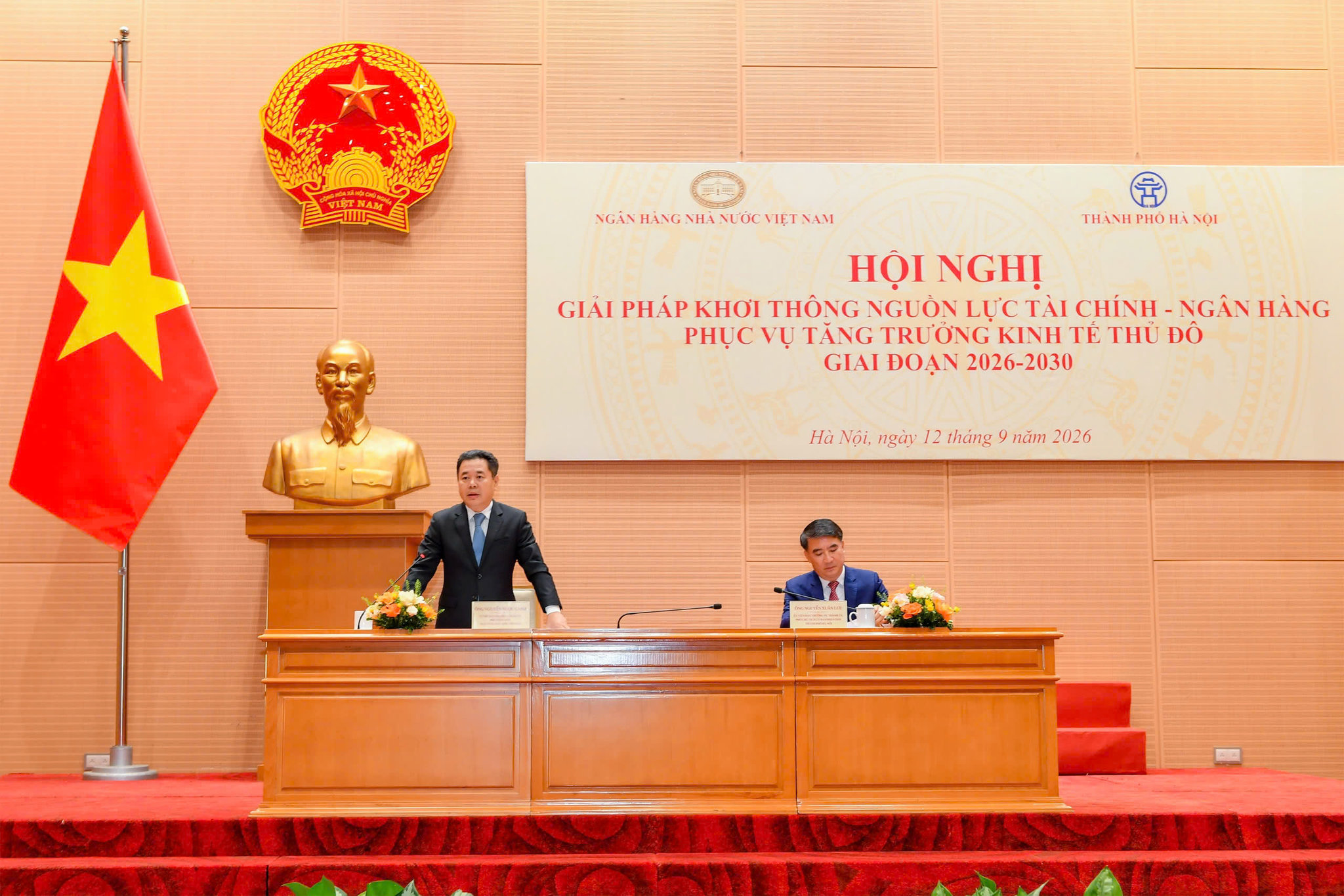
The presentations and comments from delegates attending the conference focused on exchanging views, discussing, and clarifying mechanisms and policies regarding credit and the mobilization of financial resources, creating favorable conditions for Hanoi’s major and important programs and projects to access and arrange capital; identifying and resolving difficulties and obstacles related to legal issues, procedures, planning, land use, land acquisition, and other conditions affecting capital access and disbursement; and agreeing on practical solutions, recommendations, and proposals to unlock resources for the capital’s development.
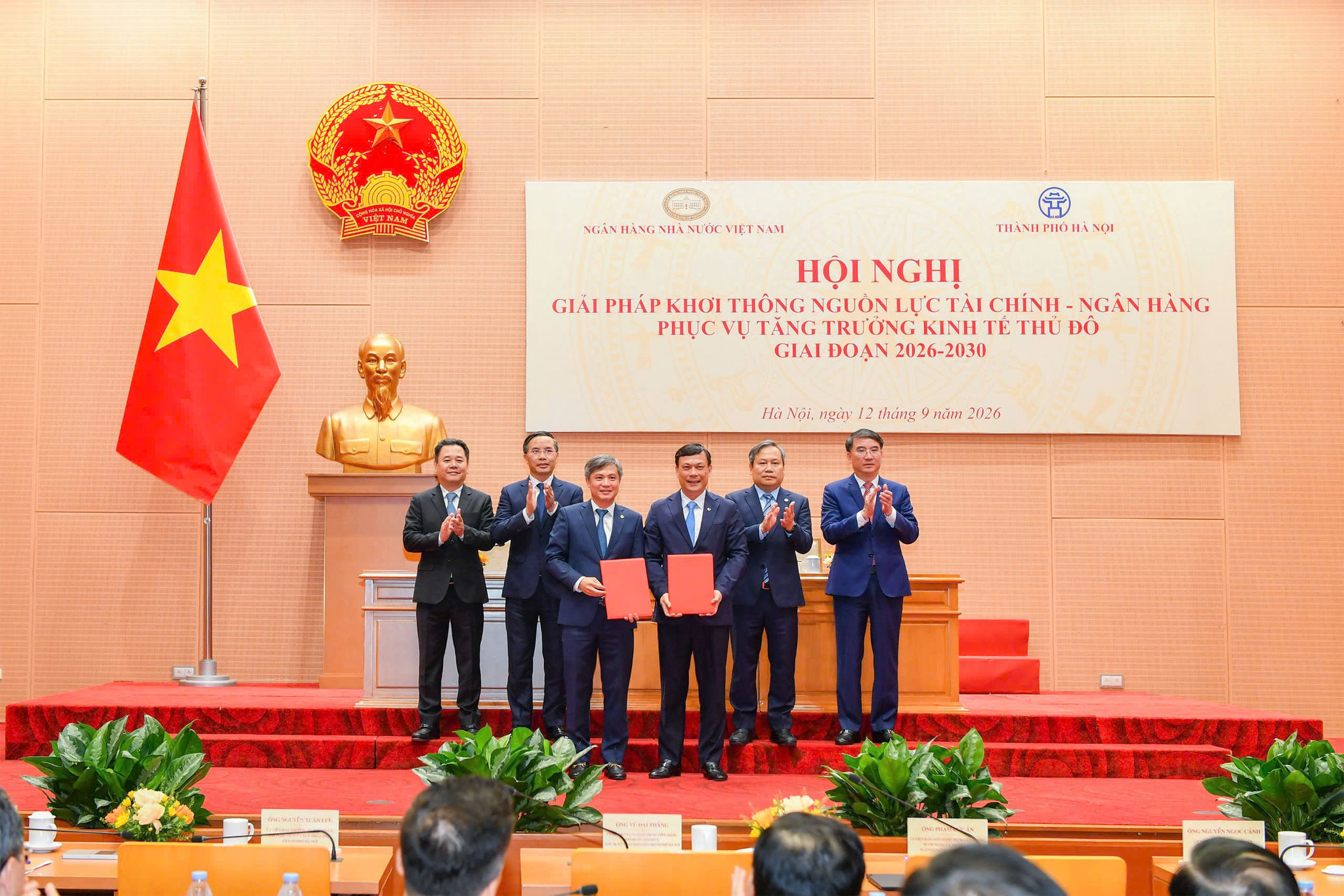
In his opening remarks at the conference, State Bank of Vietnam Governor Pham Duc An congratulated Hanoi on the positive results it has achieved in recent times, while also highlighting the significance of the conference in providing a practical forum to clearly identify the current situation, difficulties, and challenges in mobilizing, allocation, and access to capital for Hanoi’s socioeconomic development, as well as to exchange views and propose practical and effective financial and banking solutions to meet the capital needs of Hanoi’s programs, projects in 2026 and the 2026–2030 period, thereby making a tangible contribution to the capital city’s goal of achieving economic growth of 11% or higher.
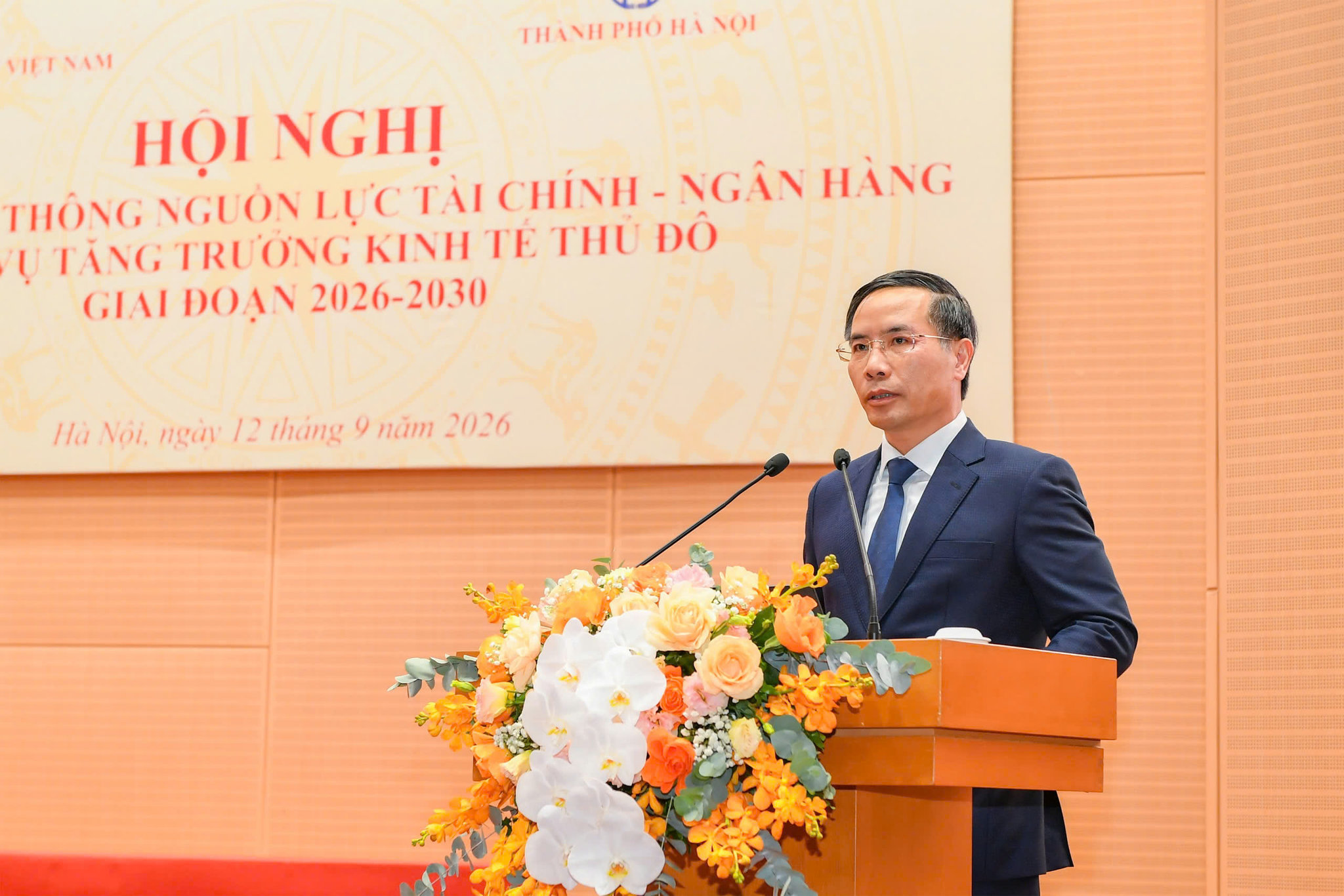
Governor Pham Duc An noted that, as a sector playing a crucial role in macroeconomic stability, inflation control, and economic growth support, in the first eight months of 2026, in close alignment with the guidance of the Party, the National Assembly, the Government, and the Prime Minister, the State Bank of Vietnam has made vigorous and coordinated efforts to implement various measures to ensure monetary market stability, thereby playing a significant role in stabilizing the macroeconomy, controlling inflation, and supporting double-digit economic growth. In particular, the State Bank of Vietnam has implemented measures to stabilize interest rate levels, reduce lending rates, and create conditions for credit institutions to achieve effective credit growth, directing credit toward supporting key drivers of economic growth; It has focused on promptly resolving difficulties and obstacles for credit institutions and businesses in meeting capital needs to support economic and social development, particularly for key national projects.
By August 28, 2026, the system-wide outstanding credit balance is expected to reach approximately VND 20.5 quadrillion, an increase of 10.24% compared to the end of 2025. The credit structure continued to focus on production and business sectors, priority sectors, and growth drivers in line with the Government’s policies, with approximately 77.3% of outstanding loans supporting the production and business sectors. The banking sector will continue to accelerate digital transformation, leverage and integrate data, and responsibly apply technology and AI to reduce costs, improve the quality of credit assessment, and expand access to services, while ensuring security, safety, and the protection of customer data.
In addition to the achievements, the conference also highlighted many challenges and obstacles, presented recommendations and proposals, and facilitated discussions on solutions to unlock financial and banking resources to support the capital city’s economic growth during the 2026–2030 period. The State Bank of Vietnam is committed to directing its affiliated units and credit institutions to coordinate closely with all levels of government and sectors within Hanoi to promptly resolve the difficulties and obstacles faced by businesses, financial institutions, and to effectively implement solutions aimed at achieving the goal of mobilizing financial and banking resources to support the capital’s economic growth during the 2026–2030 period.
In addition, the Governor also noted that while bank credit is a very important resource, it cannot and should not be the sole source of capital for all development needs. For large-scale, long-term projects, an appropriate mix of equity capital, bank credit, public investment, PPP, capital markets, ODA, and other legitimate resources is needed to enhance project sustainability and reduce maturity pressure on the banking system. Disbursement capacity does not depend solely on the banks. For large projects, legal documentation, master planning, investment procedures, land use, land acquisition, project timelines, and financial plans are the decisive factors. For businesses, governance capabilities, financial transparency, equity capital, and cash flow quality directly impact their ability to access credit. Therefore, unlocking capital requires coordinated collaboration among regulatory agencies, local authorities, banks, and businesses.
Moving forward, Governor Pham Duc An has instructed the State Bank of Vietnam’s Regional Branch 1 to continue playing its role as the central hub for aligning monetary and credit policies with the capital city’s development realities; closely monitor capital mobilization, credit growth, interest rates, non-performing loans, and capital absorption capacity within the region to promptly address issues within its authority or report and propose solutions to the competent authorities regarding emerging problems; continue to enhance the effectiveness of the bank-business connectivity program; proactively coordinate with the City to review the capital needs of key programs, construction projects, and initiatives, clearly categorizing credit-related obstacles and issues in other sectors to refer them to the appropriate agencies for resolution, thereby preventing businesses from having to navigate multiple channels. Units, Departments, and Bureaus under the State Bank of Vietnam, in accordance with their functions and responsibilities, shall closely coordinate with the State Bank of Vietnam’s Regional Branch 1 in addressing recommendations, providing guidance on mechanisms, and implementing solutions to support the City; Issues beyond their authority must be compiled and reported promptly, without delay.
With regard to credit institutions, the Governor instructs them to: (i) Continue to vigorously implement measures to reduce operating costs, increase productivity, and accelerate digital transformation to stabilize and strive to lower lending interest rates; publicly disclose and ensure transparency regarding interest rates and credit terms, facilitating access to capital for citizens and businesses without lowering credit standards; (ii) Proactively balance capital sources and direct credit toward production, business operations, priority sectors, growth drivers, and key projects and infrastructure with sound legal standing, proven effectiveness, and debt-repayment capacity; while strictly controlling credit in sectors with potential risks to ensure credit quality and system safety; (iii) Enhance the capacity to appraise and finance large-scale projects; strengthen coordination, co-financing, or syndicated lending where appropriate; develop green credit and financial products serving the digital economy, innovation, small and medium-sized enterprises (SMEs), and sectors where the City holds a competitive advantage, based on market principles and legal regulations; (iv) Promote the application of data and technology in credit scoring, appraisal, risk management, and service delivery; while simultaneously strengthening system security and safety, protecting customer data, and preventing and combating fraud and scams in cyberspace.
Governor Pham Duc An requested that the Hanoi People’s Committee and the City’s departments and agencies continue to focus on resolving obstacles related to planning, investment procedures, land use, site clearance, financial obligations, and other legal conditions, thereby enhancing the project’s readiness. The more legally sound a project is, with clear timelines and well-defined financial plans, the more basis financial institutions have to evaluate it and make faster and safer decisions on capital allocation; continue to diversify medium- and long-term financial resources for the capital’s development; leverage the leading role of public investment and PPPs, while exploring the appropriate use of capital market instruments, bonds, green finance, financial funds, ODA, preferential loans, and other legitimate resources, thereby reducing excessive reliance on bank credit. In addition, it is necessary to maintain a mechanism for regularly sharing information with the State Bank of Vietnam’s Regional Branch 1 and financial institutions regarding the portfolio of key programs, works, and projects; implementation progress, capital needs by phase, capital structure, and repayment capacity, so that the banking system can access and evaluate financing options early on; coordinate to improve data infrastructure to support comprehensive credit and financial activities; promote the interconnection and sharing of business, tax, invoice, insurance, and other legally permissible data in accordance with regulations; and simultaneously enhance the effectiveness of credit guarantee mechanisms and support for small and medium-sized enterprises.
In addition, Governor Pham Duc An also urged businesses and investors to proactively diversify their funding sources to avoid reliance on a single channel; enhance their financial and governance capabilities; ensure transparency in financial reporting; and standardize operational and cash flow data to improve their access to credit. Feasible production and business plans, clear cash flows, and transparent information are essential foundations for banks to assess and approve loans. Business associations also need to continue playing their role as intermediaries, compiling capital needs by industry, promptly reporting challenges, and supporting members in improving financial transparency and standardizing data to facilitate access to capital.
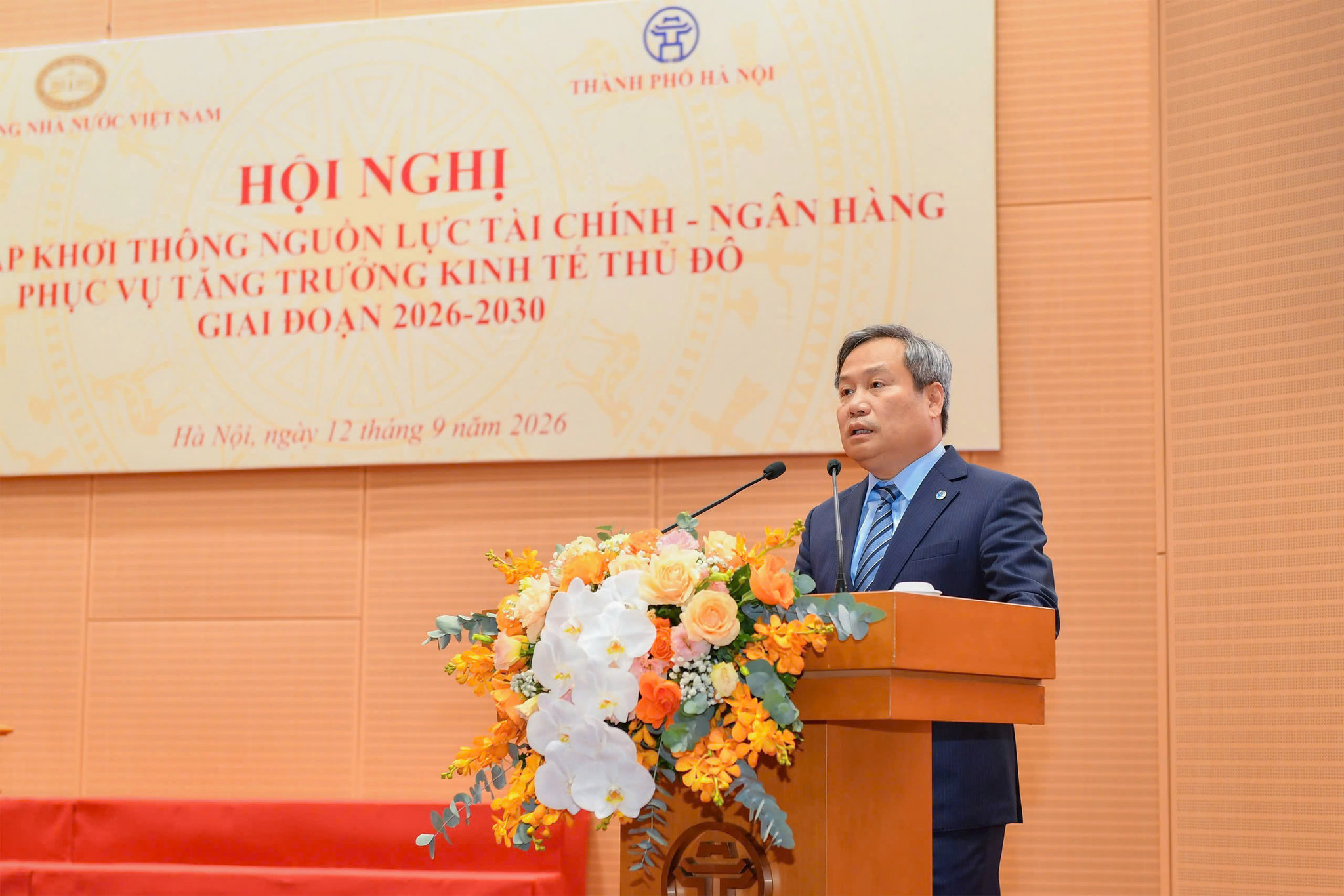
In his closing remarks at the conference, Vu Dai Thang, Chairman of the Hanoi People’s Committee, acknowledged and highly appreciated the positive and practical contributions of the banking sector, credit institutions, the business community, investors, and relevant agencies and units to the capital city’s socio-economic development. The Chairman of the Hanoi People’s Committee also assigned specific tasks and solutions to Hanoi’s departments, committees, and sectors to coordinate with the banking system to facilitate the flow of capital and accelerate the allocation of funds to projects ready for implementation; strengthen coordination to promptly resolve bottlenecks in capital mobilization and disbursement; strengthen coordination to promptly resolve bottlenecks in capital mobilization and disbursement; translate the agreements and commitments made at the conference into tangible results; diversify medium- and long-term financial resources for the capital’s development…
The Chairman of the Hanoi People’s Committee is confident that, with the support of the State Bank of Vietnam, the initiative and capabilities of the credit institution system, the responsibility of the city’s departments and sectors, and the determination of the business community and investors, the matters discussed and agreed upon at the conference will soon be translated into concrete actions, resulting in tangible resources and development outcomes for the capital in 2026 and the 2026–2030 period.
SN - Photo: ĐK